


 Vista previa
 Compartir
 Compartir
 Ver detalles
 Guía
Guía

 Descargar
 Ver artículos similares
 Radiografía
 Presentación de diapositivas
 Estadísticas
St. Mark


 Leer más
Reproducción al óleo hecha a mano
Óleo sobre lienzo pintado a mano en el tamaño y marco de su elección, realizado por encargo por nuestros artistas. ( Cambiar a formato impreso Ver versión en imagen digital)




P118B $10

P118H $10

P118W $10

P438Z $10

P508JH $12

P508YH $12

P805H $10

P805Z $10

P919BZ $10

P919G $10

P919XJ $10

P959ZH $10

P968JZ $12

W106C $8

W218G $10

W218JH $8

W218Y $10

W307PJ $10

W316G $10

W316PJ $8

W316Y $10

W398PJ $8

W4111J $10

W500HY $15

W500JH $15

W692G $12

W849H $8

W940BG $15

W953PJ $8




Elija entre nuestros tamaños predefinidos que respetan las proporciones originales de la obra.

Puede ingresar sus propias dimensiones para adaptarse a un marco o espacio específico. Si el tamaño seleccionado no coincide con las proporciones de la imagen original, recortaremos la obra o extenderemos la pintura con elementos adicionales pintados a mano. Se le enviará una maqueta digital para su aprobación antes de comenzar la producción.
Tenga en cuenta que la vista previa en pantalla no refleja el recorte o la extensión reales. Solo la maqueta mostrará con precisión la composición final.
Si bien existen tamaños personalizados, recomendamos seleccionar una dimensión de la lista predefinida para preservar las proporciones originales.
Tras realizar el pedido, el equipo de AllPaintingsStore.com enviará un correo electrónico al cliente para solicitar instrucciones y proporcionarle una vista previa del boceto.
Envío a todo el mundo () en 3-4 semanas en lugar de las 5 semanas estándar. (21 septiembre). Sin comprometer la calidad.

Envío exprés gratuito a todo el mundo

Lienzo de lino de alta calidad

Seguro de envío completo

Garantía de reembolso de impuestos aduaneros

Garantía de fidelidad cromática exacta

Política de devolución de 100 días (solo por defectos)

Garantía de devolución del 100% del dinero

Oferta por volumen
 La opción de vidrio solo está disponible en tamaños inferiores a 110 cm.

St. Mark
Técnica de reproducción
Tamaño de la reproducción
-


Precio total
$ 258
A Vision of Classical Grandeur
In the quiet intensity of Andrea Mantegna’s St. Mark, we encounter more than a mere portrait; we enter a deliberate dialogue with the ghosts of ancient Rome. Painted during the twilight of the fifteenth century, this masterpiece serves as a profound embodiment of Renaissance ambition. The subject, a dignified figure often identified as the Evangelist, gazes out from the canvas with an unnerving directness that bridges the gap between centuries. His eyes, fixed upon the viewer, demand a moment of stillness, inviting a contemplative connection that feels as immediate today as it did in the 1480s. This is not just a depiction of a man, but a reconstruction of classical dignity, where every line and shadow serves to resurrect the intellectual rigor of antiquity.
Mantegna’s technical prowess is nothing short of extraordinary, particularly in his ability to manipulate perspective to create an illusionistic depth that defies the flat surface of the panel. Through a masterful application of light and shadow, he grants the figure a sculptural presence, as if the saint were carved from stone rather than rendered in pigment. The rich, crimson hue of his robe acts as a vibrant anchor within the composition, contrasting beautifully against the more muted, atmospheric background. This strategic use of color not only draws the eye toward the central figure but also imbue the work with a sense of warmth and vitality that prevents the classical subject matter from feeling cold or distant.
Symbolism and the Language of Abundance
Beyond the striking portraiture, Mantegna weaves a complex tapestry of symbolism through the subtle inclusion of still-life elements. Scattered around the figure are apples and oranges, fruits that were far more than mere decorative flourishes. In the Western artistic tradition, such elements carry profound weight, representing themes of fertility, abundance, and even spiritual enlightenment. These organic details provide a soft, tactile contrast to the structured, almost architectural precision of the man's features and his scholarly book. The presence of these fruits suggests a world where the intellectual pursuits of the Renaissance are nourished by the natural bounty of the earth, creating a harmonious balance between the human spirit and the physical world.
For the discerning collector or interior designer, St. Mark offers an unparalleled opportunity to introduce a sense of historical gravity and timeless elegance into a space. The painting’s ability to command attention through its intense gaze and rich textures makes it a superlative centerpiece for a curated gallery or a sophisticated study. Whether viewed as a window into the archaeological passion of Mantegna or as a masterclass in Renaissance technique, this work remains an evocative testament to the enduring power of classical beauty. Owning a high-quality reproduction of such a piece allows one to surround themselves with the profound legacy of the Italian Renaissance, bringing a touch of scholarly prestige and emotional depth to any modern environment.
Obras relacionadas


Biografía del artista
vida temprana y carrera
Andrea Mantegna, un innovador pintor e estudioso de la arqueología romana italiano, nació en Italia en 1431. Su vida está marcada por una desviación significativa de las formas suaves de su tiempo, favoreciendo un tratamiento audaz y voluminoso del espacio y la forma.contribución a la perspectiva
La obra de Mantegna fue fundamental para explorar la perspectiva, utilizando técnicas como ajustar la línea del horizonte para impartir una escala más grandiosa y gravedad a sus obras. Este enfoque marcó una desviación significativa de las formas suaves de su tiempo, mostrando su estilo único.obras notables y asociaciones
* Las pinturas de Mantegna son reconocidas por su calidad robusta y escultórica, exhibiendo paisajes y figuras duras y reflectantes que revelan su sensibilidad como escultor a la forma y la textura. * Su asociación con la familia Bellini a través del matrimonio es notable, ya que refleja la interconexión de las familias artísticas durante el Renacimiento.legado en la historia del arte
La influencia de Mantegna en el desarrollo del arte en Italia y más allá es innegable. Su enfoque audaz de la perspectiva y la forma ha inspirado a generaciones de artistas. Como se ve en su colección en AllPaintingsStore, sus obras continúan cautivando al público con su grandeza e innovación.- Movimientos artísticos clave: Renacimiento, perspectiva temprana.
- Obras notables: incluyen "El lamento sobre el Cristo muerto" y "San Jorge".
- Museos que exhiben su obra: la Galería Nacional de Londres y la Pinacoteca Brera en Milán, entre otros.
lectura adicional y exploración
* Para más información sobre la vida y las obras de Mantegna, consulte la colección Palumbo-Fossati (Venecia, Italia), que presenta una breve reseña de la colección y sus piezas notables. * Explore la historia del arte en Italia con la cultura de Italia en Wikipedia.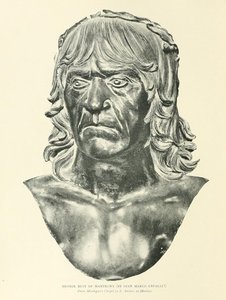
Andrea Mantegna
1431 - 1506 , Italia
Datos clave
- Artistas Influenciados:
- Rafael
- Miguel Ángel
- Artistas Que Influyeron:
- Donatello
- Jacopo Bellini
- Fecha De Muerte: 1506
- Fecha De Nacimiento: 1431
- Lugar De Nacimiento: Carturo, Italia
- Movimiento Artístico: Renacimiento Temprano
- Nacionalidad: Italiana
- Nombre Completo: Andrea Mantegna
- Obras Notables:
- El Lamento sobre el Cristo muerto
- San Jorge y el dragón
- Camera degli Sposi
- Los Triunfos de César
Artículos relacionados

The Enduring Allure of Marble in Art History: From Classical Sculpture to Modern Abstraction
Explore the captivating history of marble sculpture from ancient Greece to modern art. Discover renowned artists like Canova & Michelangelo, carving techniques, and investment insights at AllPaintingsStore.

The Enduring Form: Sculpture Across History, Technique & Emotional Resonance
Explore the rich history of sculpture with AllPaintingsStore. Discover key techniques, influential artists & investment potential for discerning collectors. Expert insights into valuing and collecting timeless masterpieces.

Las 10 Obras Maestras de Bronce que Revolucionaron la Historia del Arte | AllPaintingsStore
Descubre las 10 esculturas de bronce más influyentes de la historia del arte. Explora obras maestras de Rodin, Degas y otros genios. Encuentra reproducciones de arte de calidad museo en AllPaintingsStore.com.

Esculturas de Bronce Legendarias: 10 Obras Maestras que Transformaron el Arte | AllPaintingsStore
Descubre las 10 esculturas de bronce más legendarias que revolucionaron el arte. Explora la historia de Rodin, Degas y otros maestros del bronce. Encuentra reproducciones de alta calidad e inspiración para tu hogar en AllPaintingsStore.com.

The Enduring Form: Exploring Themes & Techniques in Sculpture Across Historical Periods
Explore the rich history of sculpture from ancient masterpieces to contemporary innovations. Discover key techniques, influential artists & investment potential for discerning art collectors.


