


 Ver en contexto
 Enviar
 Compartir
 Detalles
 Guía
Guía

 Descargar
 Similares
 Radiografía
 Presentación de diapositivas
 Q&A
Q&A Estadísticas
Flash—November 22


 Ver más
La obra de arte que se muestra en esta página está protegida por las leyes de propiedad intelectual, lo que significa que no podemos crear ni vender legalmente una reproducción idéntica. Esta protección se hace cumplir en virtud de acuerdos internacionales como el Convenio de Berna y por las leyes nacionales, incluidas aquellas establecidas por el Ley de derechos de autor de los EE. UU. - Título 17.
Este método cumple plenamente con las normativas de derechos de autor, ya que no implica la copia ni la duplicación de la obra protegida. En su lugar, se trata de una reinterpretación creativa: una nueva pintura influenciada por la original, pero que no es idéntica a ella.
Giclée / Impresión de arte
Impresiones giclée o en lienzo de calidad de museo con producción rápida y opciones de acabado flexibles. ( Comprar pintura hecha a mano Cambiar a imagen digital)




P118B €10

P118H €10

P118W €10

P438Z €10

P508JH €12

P508YH €12

P805H €10

P805Z €10

P919BZ €10

P919G €10

P919XJ €10

P959ZH €10

P968JZ €12

W106C €8

W218G €10

W218JH €8

W218Y €10

W307PJ €10

W316G €10

W316PJ €8

W316Y €10

W398PJ €8

W4111J €10

W500HY €15

W500JH €15

W692G €12

W849H €8

W940BG €15

W953PJ €8




Elija entre nuestros tamaños predefinidos que respetan las proporciones originales de la obra.

Introduzca el ancho y el alto que necesite para adaptarse a su marco o pared. Una impresión solo puede recortarse, nunca hacerse más grande que la imagen original, por lo que un tamaño con una forma distinta perderá parte de la obra. Le enviaremos una maqueta digital para su aprobación antes de realizar cualquier impresión. La imagen que se muestra en esta página no refleja el recorte real; solo la maqueta lo hace.
Envío a todo el mundo () en 2 semanas en lugar de las 4/5 semanas estándar. (1 noviembre)

Envío exprés gratuito a todo el mundo

Lienzo de lino de alta calidad

Seguro de envío total

Garantía de reembolso de aranceles aduaneros

Garantía de fidelidad cromática exacta

Política de devolución de 100 días (solo por defectos)

Garantía de devolución del 100% del dinero

Descuento por cantidad
 La opción de vidrio solo está disponible en tamaños inferiores a 110 cm.

Flash—November 22
Giclée / Impresión de arte
Dimensiones de la reproducción
-


Precio total final
€ 57
A Fragmented Reflection on Loss: Decoding Andy Warhol’s ‘Flash—November 22, 1963’
Andy Warhol’s ‘Flash—November 22, 1963’ isn’t a painting in the traditional sense; it's a visceral reaction captured in eleven screenprints, a fragmented memorial to a nation irrevocably altered. Created in 1968, five years after the assassination of President John F. Kennedy, this series isn’t about the event itself, but rather about *how* we consumed that event – through the relentless churn of mass media. Warhol doesn’t offer grief; he presents its packaging, the way tragedy was filtered and disseminated to a stunned public. The work stands as a chilling commentary on desensitization, the blurring lines between reality and representation, and the burgeoning power of image-making in shaping collective memory.
The Echoes of a News Bulletin
The title itself, “Flash—November 22, 1963,” evokes the urgent language of news bulletins, the staccato bursts of information that interrupted everyday life. Warhol deliberately sourced his imagery from campaign posters, newspaper photographs, and advertisements – the very materials that flooded homes across America in those days of mourning. He wasn’t interested in creating a heroic portrait or a solemn elegy; instead, he replicated the visual noise surrounding the assassination, presenting Kennedy's image alongside that of Lee Harvey Oswald, the Presidential Seal, even the gun used in the shooting. This deliberate juxtaposition is deeply unsettling. The repetition inherent in the screenprinting process further amplifies this effect, mimicking the relentless replay of images on television screens and in newspapers. Each print feels less like an individual artwork and more like a frame from an endless loop, a haunting echo of that fateful day.
Pop Art’s Confrontation with Tragedy
Warhol's choice of subject matter was particularly provocative for the Pop Art movement, which had largely focused on consumer culture and celebrity iconography. While his earlier works celebrated the vibrancy of everyday objects like Campbell’s Soup cans and Coca-Cola bottles, ‘Flash—November 22, 1963’ plunged into a far darker territory. It challenged the notion that art should be purely aesthetic or celebratory, forcing viewers to confront uncomfortable truths about violence, loss, and the manipulative power of media. The series is a stark departure from the glossy optimism often associated with Pop Art, revealing its potential for social critique. Warhol himself confessed his initial detachment from the event, stating he was more disturbed by the *way* television dictated public emotion than by Kennedy’s death itself – a sentiment that permeates every print in the series.
A Legacy of Discomfort and Reflection
‘Flash—November 22, 1963’ remains profoundly relevant today. In an age saturated with information and increasingly reliant on visual media, Warhol's work serves as a prescient warning about the dangers of passive consumption and the erosion of genuine emotional connection. The series doesn’t offer answers or closure; it presents a fragmented, unsettling portrait of a nation grappling with trauma. It is a powerful reminder that images are not neutral representations of reality but rather constructed narratives that shape our perceptions and influence our understanding of the world. Owning a reproduction of this work isn’t simply acquiring an iconic piece of art history; it’s inviting a dialogue about memory, media, and the enduring impact of tragedy.
Photo Description: The image is a colorful advertisement for Italian Carbine rifles. The ad features a picture of the gun with a price tag of $127. The rifle is displayed in various positions throughout the ad, including one on top and another on the bottom right side. There are also two smaller guns visible within the main image. In addition to the main advertisement, there is a small illustration of a person holding a gun located towards the left side of the image. The overall composition of the ad is visually appealing with its vibrant colors and attention-grabbing design.
- Artist: Andy Warhol
- Birth Year: 1928
- Death Year: 1987
- Birth City: Pittsburgh
- Birth Country: United States of America
- Medium: Color Screenprint on Wove Paper
- Dimensions: Sheet: 53.34 x 53.34 cm (21 x 21 in.)
- Accession Number: 2012.31.11
- Catalogue Raisonné: Feldman/Schellmann 2003, no. II.42
Additional Research:
Warhol’s fascination with Kennedy stemmed from his admiration for the President's charisma and youthful idealism. He viewed Kennedy as embodying the best of American leadership—a figure who captivated the public imagination and championed progressive values.
The screenprints themselves are executed in a technique known as silkscreen printing, which Warhol pioneered. This method involves transferring ink onto paper through a stencil, resulting in multiple identical impressions. The repetitive process underscores Warhol’s preoccupation with mass production and consumer culture—themes central to Pop Art’s critique of postwar American society.
Warhol's deliberate selection of imagery—campaign posters, newspaper photographs, advertisements—reflects the pervasive influence of media on public consciousness during the Kennedy assassination era. He aimed not to glorify heroism but to expose the unsettling reality of how tragedy was disseminated and consumed by a nation grappling with grief.
The series’ enduring significance lies in its ability to provoke contemplation about memory, representation, and the role of visual culture in shaping our understanding of historical events. Warhol's work serves as a cautionary tale against complacency and encourages viewers to question how images contribute to—and sometimes distort—our perceptions of reality.
Preguntas y respuestas
¿Cómo puedo conseguir una lámina de "Flash—November 22" de Andy Warhol?
Puede solicitar una impresión de "Flash—November 22" de Andy Warhol directamente en su página de Impresión de arte de bellas artes: una impresión de bellas artes sobre lienzo de algodón o papel de lienzo de archivo.
¿En qué tamaño se recomienda imprimir "Flash—November 22"?
Se recomienda imprimir "Flash—November 22" en un tamaño de Gran formato. Otros tamaños están disponibles con las mismas proporciones.
¿Es "Flash—November 22" de Andy Warhol una composición en formato vertical, horizontal o cuadrado?
"Flash—November 22" de Andy Warhol tiene un formato Cuadrado. El formato describe las proporciones de la composición.
Obras relacionadas


Biografía del artista
Andy Warhol: Una Vida en el Arte Pop
Primeros Años y Educación
- Nacido: 6 de agosto de 1928, en Pittsburgh, Pensilvania.
- La vida temprana de Warhol estuvo marcada por una enfermedad infantil – corea de Sídenham (Danza de San Vitoreo) – que provocó períodos prolongados de confinamiento y fomentó su interés por el arte.
- Estudió diseño pictórico en la Carnegie Institute of Technology (ahora Universidad Carnegie Mellon), graduándose en 1949.
- Tras graduarse, se mudó a la ciudad de Nueva York para seguir una carrera como ilustrador comercial.
Arte Comercial y Carrera Temprana
- Inicialmente, Warhol trabajó en ilustraciones para revistas y publicidad, logrando éxito con sus dibujos lineales distintivos para publicaciones de moda.
- Desarrolló una comprensión profunda de la producción en masa y la comunicación visual a través de su trabajo comercial, lo que influiría fuertemente en su estilo artístico más adelante.
- Sus primeras obras se centraron a menudo en objetos cotidianos y bienes de consumo, anticipando los temas que exploraría en el Arte Pop.
El Auge del Arte Pop
- En la década de 1960, Warhol se convirtió en una figura destacada del movimiento Arte Pop, desafiando las nociones tradicionales del arte.
- El Arte Pop abrazaba la cultura popular – publicidad, cómics y objetos producidos en masa – como sujetos legítimos para la expresión artística.
- Obras clave de este período incluyen: Campbell’s Soup Cans (1962) y Marilyn Diptych (1962).
- La técnica de Warhol de serigrafía le permitió la producción masiva de imágenes, reflejando la cultura del consumidor que representaba.
La Fábrica y Producción Artística
- Warhol estableció “The Factory”, un espacio de estudio que se convirtió en un centro para artistas, músicos, cineastas y socialités.
- La Fábrica no fue solo un lugar de trabajo sino también una escena: fomentó la colaboración y la experimentación entre diversas disciplinas artísticas.
- Warhol abrazó el concepto del arte como negocio, difuminando las líneas entre la alta cultura y el comercialismo.
- Exploró temas de celebridad, muerte y desastre en su obra, a menudo utilizando la repetición y colores audaces para crear efectos visuales impactantes.
Obras Maestras y Estilo Artístico
- Obras notables: Che Guevara, Nan Kempner, Mona Lisa, Flowers, Portada del álbum Velvet Underground & Nico.
- El estilo de Warhol se caracteriza por el uso de la serigrafía, colores audaces y repetición.
- A menudo apropiaba imágenes de la cultura popular, transformándolas en obras de arte icónicas.
- Sus retratos de celebridades – Marilyn Monroe, Elvis Presley, Elizabeth Taylor – capturaron la fascinación por la fama y la imagen en la sociedad estadounidense.
Legado e Importancia Histórica
- La obra de Andy Warhol tuvo un profundo impacto en el mundo del arte, desafiando las definiciones tradicionales del arte y allanando el camino para nuevos movimientos artísticos.
- También fue una figura cultural significativa: abiertamente gay antes del Movimiento por la Liberación Gay.
- Su exploración del consumismo, la cultura de la celebridad y los medios masivos sigue resonando en el público actual.
- La influencia de Warhol se puede ver en el arte contemporáneo, la moda, la música y el cine.
- Sus obras se exhiben en importantes museos de todo el mundo, incluido el Museo Andy Warhol en Pittsburgh.
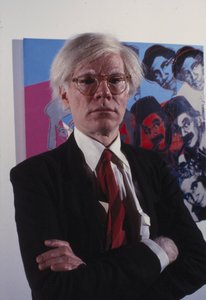
Andy Warhol
1928 - 1987 , Estados Unidos de América
Datos clave
- Fecha De Muerte: 1987
- Fecha De Nacimiento: 6 de agosto de 1928
- Lugar De Nacimiento: Pittsburgh, EE.UU.
- Movimiento Artístico: Pop Art
- Nacionalidad: Estadounidense
- Nombre Completo: Andy Warhol
- Obras Notables:
- Campbell’s Soup Cans
- Marilyn Diptych
- Che Guevara
- Flowers
- Velvet Underground & Nico
Artículos relacionados

Los 10 Maestros del Pop Art: Obras Icónicas para Decorar con Estilo
Descubre los 10 iconos del Pop Art: Warhol, Lichtenstein y más. Explora la historia, técnica y significado de estas obras maestras que revolucionaron el arte moderno. Encuentra reproducciones exclusivas en .
Andy Warhol: Deconstructing Pop Culture & Redefining Artistic Expression
Explore the revolutionary art of Andy Warhol & the Pop Art movement. Discover his iconic techniques, cultural impact, and investment potential. A guide for discerning collectors.

Las 25 obras maestras de Andy Warhol que definieron el Pop Art
Explora las 25 obras maestras de Andy Warhol y el Pop Art. Encuentra reproducciones de museo en AllPaintingsStore.com. ¡Descubre la colección completa!

Desafiando las Convenciones: Orígenes, Evolución y Legado Duradero del Pop Art
Descubra la fascinante historia del Pop Art: orígenes, artistas clave como Warhol y Lichtenstein, técnicas innovadoras y su impacto duradero en el arte y la cultura. Guía experta para coleccionistas.

Del Warhol a las Estrellas de Hoy: Recontextualizando Íconos de la Cultura Popular a Través de la Tradición Pictórica al Óleo
Descubre cómo el Pop Art redefinió el arte y cómo AllPaintingsStore.com te permite revivir íconos culturales con reproducciones en óleo de calidad museo. ¡Encuentra tu obra maestra!


