


 Ver en contexto
 Enviar
 Compartir
 Detalles
 Guía
Guía

 Descargar
 Similares
 Radiografía
 Presentación de diapositivas
 Preguntas y respuestas
 Estadísticas
Mammy


 Ver más
La obra de arte que se muestra en esta página está protegida por las leyes de propiedad intelectual, lo que significa que no podemos crear ni vender legalmente una reproducción idéntica. Esta protección se hace cumplir en virtud de acuerdos internacionales como el Convenio de Berna y por las leyes nacionales, incluidas aquellas establecidas por el Ley de derechos de autor de los EE. UU. - Título 17.
Este método cumple plenamente con las normativas de derechos de autor, ya que no implica la copia ni la duplicación de la obra protegida. En su lugar, se trata de una reinterpretación creativa: una nueva pintura influenciada por la original, pero que no es idéntica a ella.
Giclée / Impresión de arte
Impresiones giclée o en lienzo de calidad de museo con producción rápida y opciones de acabado flexibles. ( Comprar pintura hecha a mano Cambiar a imagen digital)




P118B €10

P118H €10

P118W €10

P438Z €10

P508JH €12

P508YH €12

P805H €10

P805Z €10

P919BZ €10

P919G €10

P919XJ €10

P959ZH €10

P968JZ €12

W106C €8

W218G €10

W218JH €8

W218Y €10

W307PJ €10

W316G €10

W316PJ €8

W316Y €10

W398PJ €8

W4111J €10

W500HY €15

W500JH €15

W692G €12

W849H €8

W940BG €15

W953PJ €8




Elija entre nuestros tamaños predefinidos que respetan las proporciones originales de la obra.

Introduzca el ancho y el alto que necesite para adaptarse a su marco o pared. Una impresión solo puede recortarse, nunca hacerse más grande que la imagen original, por lo que un tamaño con una forma distinta perderá parte de la obra. Le enviaremos una maqueta digital para su aprobación antes de realizar cualquier impresión. La imagen que se muestra en esta página no refleja el recorte real; solo la maqueta lo hace.
Envío a todo el mundo () en 2 semanas en lugar de las 4/5 semanas estándar. (19 noviembre)

Envío exprés gratuito a todo el mundo

Lienzo de lino de alta calidad

Seguro de envío total

Garantía de reembolso de aranceles aduaneros

Garantía de fidelidad cromática exacta

Política de devolución de 100 días (solo por defectos)

Garantía de devolución del 100% del dinero

Descuento por cantidad
 La opción de vidrio solo está disponible en tamaños inferiores a 110 cm.

Mammy
Giclée / Impresión de arte
Dimensiones de la reproducción
-


Precio total final
€ 58
A Bold Portrait: Warhol’s ‘Mammy’ and the Iconography of Black Womanhood
Andy Warhol's 'Mammy', created in 1981, stands as an arresting testament to both artistic innovation and cultural reckoning. More than just a painting; it embodies a complex dialogue between Pop Art aesthetics and the enduring legacy of the “Mammy” archetype—a figure deeply rooted in American history yet reimagined with Warhol’s signature blend of glamour and provocation. The artwork centers on the face of a Black woman, rendered in a strikingly simplified style that prioritizes bold color and geometric forms over meticulous realism. This deliberate rejection of traditional portraiture conventions immediately establishes ‘Mammy’ as an iconoclastic statement within Warhol's oeuvre.- Subject & Composition: Warhol’s masterful use of composition draws the viewer’s gaze directly to the woman’s visage, occupying nearly the entire frame. The deliberate absence of extraneous details—such as hands or clothing—amplifies the impact of her expression and reinforces the artwork's focus on conveying emotion rather than documenting appearance. This compositional choice aligns perfectly with Warhol’s broader artistic philosophy: to distill visual experience into its purest essence.
- Pop Art & Technique: The painting exemplifies Warhol’s signature Pop Art style, characterized by flat planes of color and repetitive patterns—a technique borrowed directly from commercial printing processes. Warhol employed screen printing, applying ink onto a smooth surface (likely canvas) through a stencil, resulting in an image that possesses remarkable clarity and precision. This method underscores Warhol's fascination with mass production and its ability to transform artistic expression into accessible imagery for the masses.
Symbolism & Cultural Context
- The ‘Mammy’ Archetype: The title itself carries considerable historical weight, referencing a pervasive stereotype of Black women in American culture—a figure simultaneously nurturing and subservient, often depicted as embodying idealized domesticity. Warhol's selection of this archetype is deliberately confrontational, prompting viewers to consider the complexities inherent in representations of race and gender within art history. It’s a gesture that challenges conventional narratives about femininity and acknowledges the problematic legacy of slavery.
- Glamour & Empowerment: However, Warhol deftly subverts the stereotypical image by saturating the subject with vibrant hues—particularly crimson for the bandana and gold for the earrings—creating an aura of confidence and allure. These elements suggest a conscious effort to reclaim and redefine the Mammy archetype, transforming it into a symbol of strength and resilience. Warhol’s artistic vision transcends mere replication; he seeks to provoke contemplation about identity and societal expectations.
Emotional Impact & Interior Design Considerations
- A Conversation Starter: ‘Mammy’ is undeniably impactful, inviting dialogue about its multifaceted meanings—from the history of slavery to contemporary discussions on representation. Its bold aesthetic makes it an ideal centerpiece for a modern or minimalist interior space.
- Color Palette Versatility: The artwork's restrained color palette—primarily black punctuated by splashes of red and gold—offers remarkable adaptability. It complements neutral backgrounds beautifully, creating a striking visual contrast that draws attention without overwhelming the room’s ambiance.
Preguntas y respuestas
¿Dónde puedo encontrar obras de arte similares a "Mammy" de Andy Warhol?
Encuentre obras similares a "Mammy" en la página de Obras similares de esta obra.
¿Qué nivel de saturación e intensidad presenta "Mammy" de Andy Warhol?
Los colores de "Mammy" de Andy Warhol presentan una saturación Tenues con una intensidad Equilibrado.
¿A qué se debe el estado de los derechos de autor de "Mammy"?
"Mammy" de Andy Warhol es de aún protegido por derechos de autor. La vigencia de los derechos de autor se cuenta a partir del fallecimiento del artista, que tuvo lugar en 1987.
Obras relacionadas


Biografía del artista
Los primeros años de Andy Warhol
Para comprender la mecánica de la imagen moderna, es necesario remontarse a la crudeza industrial de Pittsburgh, Pensilvania. Andy Warhol nació como Andrew Warhola Jr. el 6 de agosto de 1928, en un entorno de clase trabajadora desprovisto de cualquier pretensión de alta cultura. Fue el menor de tres hijos, nacido de Andrej Warhola y Julia Zavacky Warhola. Sus padres eran inmigrantes de la región europea que hoy es Eslovaquia, un trasfondo que lo ancló en una realidad estadounidense específica y sin adornos. Este linaje proporcionó la tensión fundacional entre la experiencia del inmigrante y la explosión consumista que más tarde documentaría.
La estabilidad de sus primeros años se vio truncada por las realidades del trabajo industrial y la enfermedad. Su padre trabajaba en una mina de carbón, un oficio que definió el panorama económico de la familia hasta su muerte en 1942 a causa de una peritonitis tuberculosa. Esta pérdida ocurrió cuando Warhol tenía solo catorce años, un periodo que despojó a su juventud de la seguridad doméstica. El hogar quedó marcado por la dureza del paisaje de Pittsburgh y la repentina ausencia del principal sustento familiar. Estos primeros años no fueron un preludio a la fama, sino un periodo de cruda necesidad material.
Enfermedad infantil y creatividad temprana
El lenguaje visual que eventualmente definiría un siglo comenzó con la quietud forzada de una habitación de enfermo. Un episodio de corea de Sídenham durante su infancia, también conocida como la Danza de San Vitoreo, lo mantuvo recluido en interiores durante largos periodos. Este confinamiento no fue un vacío, sino un periodo de observación intensa y concentrada. Pasó esos días dibujando y construyendo álbumes de recortes con revistas de Hollywood, absorbiendo los rostros brillantes y manufacturados de una cultura de celebridades distante. Su madre le proporcionó la materia prima esencial: cómics y revistas de cine. Estas fueron las primeras imágenes que aprendió a decodificar, estableciendo una preferencia por lo producido en masa por encima de lo único.
Esta inmersión temprana en los medios impresos creó una forma específica de ver el mundo. No observaba la realidad a través de lentes clásicas, sino mediante la imaginería saturada y repetitiva de la página de una revista. Su fascinación por la cámara surgió a la par de este entrenamiento visual. Disfrutaba utilizando la cámara Kodak Baby Brownie Special de la familia para capturar su entorno. Este interés fue tomado con seriedad por su familia; su padre y sus hermanos construyeron un cuarto oscuro en el sótano para él. Esta configuración le permitió pasar de la mera observación a la manipulación técnica de las imágenes, una habilidad que más tarde sustentaría todo su enfoque de la reproducción artística.
Formación Académica y Éxito Comercial
La transición de Andy Warhol de estudiante a profesional estuvo impulsada por una precisión técnica adquirida a través de su educación formal. Tras cursar sus estudios en la Holmes Elementary School y la Schenley High School, se embarcó en estudios superiores en el Carnegie Institute of Technology. Se graduó en 1949 con una licenciatura en Bellas Artes en Diseño Pictórico. Esta formación específica proporcionó la base estructural para una carrera que, eventualmente, desmantelaría la distinción entre el arte elevado y la imagen comercial. Se mudó a la ciudad de Nueva York en 1949, llevando la disciplina de un diseñador al competitivo panorama de Manhattan.
Sus primeros años profesionales estuvieron definidos por la ilustración comercial de alto nivel. No comenzó desafiando el statu quo; lo dominó. Al trabajar para nombres de la talla de Tiffany & Co., Vogue y Harper's Bazaar, aprendió cómo las marcas fabrican el deseo. Su lista de clientes era un mapa del consumo estadounidense de mediados de siglo, que incluía a The New York Times, I. Miller Shoes, Bonavit Teller, Columbia Records, Fleming-Joffe y NBC. Este periodo de servicio no fue un desvío, sino un riguroso aprendizaje en la mecánica de la distribución masiva y la identidad visual de marca. Comprendió el ciclo de vida de un producto mucho antes de intentar deconstruirlo sobre un lienzo.
El auge del Pop Art y La Fábrica
Hacia la década de 1960, el cambio de paradigma de ilustrar productos a tratar los productos mismos como sujetos artísticos lo transformó todo. Andy Warhol dejó de dibujar la marca para comenzar a presentar el objeto. Adoptó el proceso de impresión mediante serigrafía para reflejar la naturaleza repetitiva de la cultura de consumo, un método que despojaba a la obra del toque tradicional del artista en favor de una estética mecánica. No se trataba de una cuestión de artesanía, sino de la lógica de la línea de montaje aplicada al lienzo.
Su estudio, conocido como The Factory, funcionaba como un punto neurálgico para un círculo social muy específico de Nueva York. Era un epicentro de experimentación vanguardista que congregaba a drag queens, poetas, bohemios, músicos y mecenas adinerados. Este espacio desdibujaba las fronteras entre la vida privada y la persona pública, creando un entorno controlado donde la cultura se manufacturaba a la par que el arte. Entre 1963 y 1968, expandió esta experimentación hacia el cine, produciendo más de 600 obras que desafiaron la forma en que el público consumía las imágenes en movimiento.
- Marilyn Diptych (1962)
- Campbell's soup cans (1962)
- Triple Elvis (1963)
Temas de Consumismo y Celebridad
La fascinación de Andy Warhol por la influencia omnipresente de la cultura de la celebridad en la sociedad estadounidense no fue una mera observación pasiva; fue una disección de cómo la fama se fabrica y se consume. Él comprendió que una persona podía ser transformada en un producto mediante la repetición y la saturación mediática. Esta lógica se aplicaba por igual al estante del supermercado que a la pantalla de cine. Al tratar los rostros de estrellas como Marilyn Monroe y Elizabeth Taylor con el mismo desapego mecánico utilizado para los bienes comerciales, expuso la artificialidad de la persona pública. No se limitaba a pintar personas; documentaba la construcción del ídolo moderno.
Esta obsesión con la naturaleza repetitiva del consumo se extendió hacia lo cotidiano. Sus representaciones de las Campbell's Soup Cans de 1962 convirtieron objetos mundanos en sujetos de las bellas artes, reflejando la realidad de la producción en masa de la experiencia estadounidense de mediados de siglo. Warhol veía el supermercado como un paisaje tan significativo como cualquier galería. Sin embargo, su mirada no siempre fue brillante o colorida. También interrogó las facetas más oscuras y violentas de la experiencia americana, produciendo series centradas en accidentes de coche y sillas eléctricas. Estas obras despojaron al glamour de la era mediática para revelar la cruda realidad del sensacionalismo que impulsa la atención del público.
Su influencia llegó incluso a la industria musical a través de su gestión de la banda de rock The Velvet Underground. Este vínculo desdibujó aún más las líneas entre el arte elevado y el pulso crudo y subterráneo de la cultura popular. Le interesaba la forma en que todo —desde una lata de sopa hasta una estrella de rock— podía ser empaquetado, etiquetado y vendido a las masas.
- Campbell's Soup Cans (1962)
- Marilyn Diptych (1962)
Técnica y Métodos Artísticos
El impacto de Andy Warhol emana de su rechazo deliberado a la pincelada tradicional del artista. Se volcó en el proceso de la serigrafía para alcanzar una estética plana y mecánica que funcionaba como un espejo de la producción en masa de los bienes de consumo que retrataba. Este método le permitió distanciarse del trazo manual, favoreciendo en su lugar una apariencia industrial y repetitiva. En sus etapas iniciales, utilizó la técnica de la "línea manchada" (blotted line), un recurso que enfatizaba la cualidad gráfica de sus dibujos. Su enfoque nunca buscó el toque singular de un creador, sino que se centró en la eficiencia de la máquina.
Su experimentación se extendió incluso al reino de lo temporal a través del cine. Utilizó planos largos y sin parpadeos en obras como Sleep e Empire para desafiar la forma en que el público consume las imágenes en movimiento. Estas duraciones estáticas y prolongadas forzaban una confrontación directa con el medio mismo. Asimismo, transitó por diversos métodos fotográficos y cinematográficos, incluyendo la fotografía de 35 mm y la cinematografía de fotograma único. Con frecuencia empleaba una Polaroid Big Shot para capturar a sus sujetos, una práctica que nutrió su lenguaje visual de inmediatez y repetición.
- Sleep (1963)
- Empire (1964)
El intento de asesinato y su carrera tardía
La trayectoria de la carrera de Andy Warhol cambió permanentemente en 1968, cuando Valerie Solanas irrumpió en su estudio de Manhattan y le disparó. Esta intrusión violenta hizo algo más que dejar secuelas físicas duraderas; alteró fundamentalmente la mecánica de su operación. La energía caótica y social de los primeros años de La Fábrica se endureció, transformándose en una empresa más estructurada y orientada a los negocios. Se alejó de los márgenes impredecibles de la cultura underground para avanzar hacia una gestión más calculada de su propia marca y de su presencia en los medios de comunicación.
Sus últimos años estuvieron definidos por una agresiva expansión hacia la editorial y la televisión. Fundó la revista Interview, una publicación centrada en la intersección del cine, la moda y la cultura popular. Este movimiento fue un reflejo de su obsesión de toda la vida con la mecánica de la fama. También se trasladó a los salones de las casas del público a través de programas de televisión, incluyendo Andy Warhol's TV (1980–83) e Andy Warhol's Fifteen Minutes (1985–87). Estos proyectos no eran meras distracciones; eran extensiones de su interés por la forma en que las imágenes se consumen y se transmiten.
Incluso mientras consolidaba su estatus comercial, mantuvo una conexión con la vanguardia emergente a través de colaboraciones significativas. Trabajó junto a jóvenes artistas como Jean-Michel Basquiat y Keith Haring, tendiendo un puente entre su legado establecido del Pop Art y la siguiente generación de expresión visual. Este período demostró que su influencia no era una reliquia estática de la década de 1960, sino una fuerza continua y en constante evolución en el panorama mediático.
Los últimos años y su muerte
Hacia el final de su vida, Andy Warhol ya había abandonado hacía mucho tiempo la identidad singular de un pintor. Se había transformado en una entidad multimedia, moviéndose a través de la fotografía, la edición y la televisión con la misma eficiencia mecánica que alguna vez aplicó a la serigrafía. Esta expansión no fue un alejamiento de sus intereses, sino una progresión lógica de su obsesión por la imagen. Ya no se limitaba a crear arte; estaba gestionando una marca que ocupaba cada pantalla y cada página disponible.
El final llegó de forma abrupta en la ciudad de Nueva York. Tras una cirugía para extirparle la vesícula biliar, falleció el 22 de febrero de 1987. La causa fue una arritmia cardíaca. Tenía 58 años. Su muerte marcó la conclusión de una carrera que había logrado fusionar con éxito la galería de alta cultura con la realidad producida en masa del estante del supermercado y la pantalla del televisor.
- Beethoven (1987)
- Pinturas de la Última Cena (1986/1987)
El legado perdurable de Andy Warhol
Andy Warhol sigue siendo el artista más importante de la segunda mitad del siglo XX. No se limitó a observar la era de los medios de comunicación; interrogó la naturaleza misma de lo que significa ser visto dentro de ella. Al transformar las texturas repetitivas del consumismo en un lenguaje visual, predijo una realidad definida por la saturación digital y la visibilidad constante. Él es el hombre que popularizó la expresión "15 minutos de fama", un concepto que ha pasado de ser una predicción a convertirse en una regla fundamental de la existencia moderna. Su obra anticipó la forma en que la celebridad y la mercancía se vuelven indistinguibles en una sociedad hiperconectada.
El mercado reconoce su influencia a través de un puro peso económico. Ha sido descrito como el barómetro del mercado del arte, una figura cuya producción dicta la dirección de las colecciones de alto nivel. Su capacidad para tender un puente entre el estante del supermercado y la pared de la galería cambió la forma en que se asigna el valor a la imagen. Desplazó el arte desde el alma interna hacia el objeto externo y producido en masa. Este cambio aseguró que su presencia se sintiera en cada rincón de la cultura visual contemporánea, desde las subastas de lujo hasta la estética filtrada de las redes sociales.
- Marilyn Diptych (1962)
- Campbell's soup cans (1962)
- Mao (1972–73)
- Shot Sage Blue Marilyn (1964)
Dónde ver sus obras hoy en día
Para encontrarse con la realidad física de su producción, es necesario acudir a las instituciones que han preservado su legado. El Andy Warhol Museum en Pittsburgh alberga la concentración más significativa de su obra, erigiéndose como el museo más grande de los Estados Unidos dedicado a un solo artista. Sigue siendo el lugar primordial para quienes buscan comprender la magnitud de su producción. Más allá del paisaje estadounidense, su influencia está anclada en las principales colecciones internacionales. La Tate Modern en Londres y el Museum of Modern Art en la ciudad de Nueva York poseen dos obras cada uno, proporcionando puntos de contacto esenciales para el estudio de su lenguaje visual. En Europa, el Lentos Kunstmuseum Linz también mantiene dos piezas en su colección.
Estas colecciones ofrecen algo más que una simple visualización; proporcionan el contexto específico de su compromiso con los medios de comunicación de masas y la celebridad. Ver su obra en estos entornos permite una confrontación directa con las texturas mecánicas que utilizó para reflejar la cultura del consumo. La presencia de su imaginería en ubicaciones geográficas tan diversas confirma el alcance de su estética. Su obra existe en estos espacios como el registro de una era específica y saturada por los medios.
- Marilyn Diptych
- Campbell's soup cans
- Mao
- Elvis Presley
- Mick Jagger
- Superman
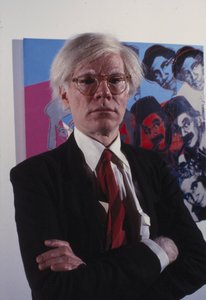
Andy Warhol
1928 - 1987 , Estados Unidos
Datos clave
- Artistas O Movimientos Influenciados Por Este Artista: ['Arte Pop']
- Fecha De Muerte: 1987
- Fecha De Nacimiento: 1928
- Lugar De Nacimiento: Pittsburgh, Estados Unidos de América
- Movimiento O Estilo Artístico: Arte Pop
- Nacionalidad: Estadounidense
- Nombre Completo: Andrew Warhola Jr.
- Obras Notables:
- Marilyn Diptych
- Campbell's soup cans
- Triple Elvis
- Mao
Artículos relacionados

Pop Art Decoded: How Mass Culture and Iconic Imagery Redefined Modern Art
Discover how Pop Art redefined modern culture through icons like Warhol and Lichtenstein. Explore the legacy of mass media art today.

Icons of Mass Media: Examining the Intersection of Consumerism and Celebrity in Pop Art
Explore the profound impact of Pop Art on consumerism and celebrity culture through expert analysis. Discover the icons of mass media now.

Las 25 obras maestras de Roy Lichtenstein que definieron el Pop Art
Explora las 25 obras maestras de Roy Lichtenstein y el Pop Art. Descubre reproducciones de museo en AllPaintingsStore.com.

Las 25 obras maestras de Andy Warhol que definieron el Pop Art
Explora las 25 obras maestras de Andy Warhol que revolucionaron el Pop Art. Descubre la historia y técnica detrás de sus iconos más vibrantes e inspírate con reproducciones de calidad de museo para tu decoración. Explora la colección completa en AllPaintingsStore.com.

Diseño con Movimiento: Cómo el Arte Abstracto Transforma Espacios de Hotelería con Elegancia y Dinamismo
Guía experta para diseñadores hoteleros sobre el uso del arte abstracto en proyectos de gran escala. Descubra cómo transformar espacios con obras personalizadas, murales y series multi-panel que aportan dinamismo, prestigio y una identidad visual única a su cadena hotelera.


