


 Vista previa
 Compartir
 Compartir
 Ver detalles
 Guía
Guía

 Descargar
 Ver artículos similares
 Radiografía
 Presentación de diapositivas
 Estadísticas
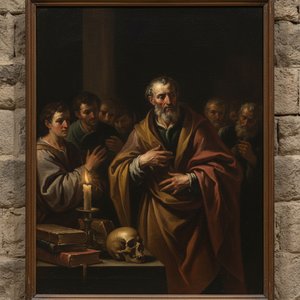
Self-Portrait
 Oil On Canvas
- WallArt
- Baroque
 1650
1650 107.0 x 77.0 cm
 The Frick Collection
 Leer más
Giclée / Impresión de arte
Impresiones giclée o en lienzo de calidad de museo con producción rápida y opciones de acabado flexibles. ( Encargar reproducción pintada a mano Ver versión en imagen digital)




P118B €10

P118H €10

P118W €10

P438Z €10

P508JH €12

P508YH €12

P805H €10

P805Z €10

P919BZ €10

P919G €10

P919XJ €10

P959ZH €10

P968JZ €12

W106C €8

W218G €10

W218JH €8

W218Y €10

W307PJ €10

W316G €10

W316PJ €8

W316Y €10

W398PJ €8

W4111J €10

W500HY €15

W500JH €15

W692G €12

W849H €8

W940BG €15

W953PJ €8




Elija entre nuestros tamaños predefinidos que respetan las proporciones originales de la obra.

Puede introducir sus propias dimensiones para adaptarse a un marco o espacio específico. Si el tamaño seleccionado no coincide con las proporciones de la imagen original, recortaremos la obra de arte o extenderemos la imagen con un borde con efecto espejo o de color sólido. Se enviará una maqueta digital para su aprobación antes de que comience la producción.
Tenga en cuenta que la vista previa en pantalla no refleja el recorte o la extensión real. Solo la maqueta mostrará con precisión la composición final.
Aunque existen tamaños personalizados, recomendamos seleccionar una dimensión de la lista predefinida para preservar las proporciones originales.
Envío a todo el mundo () en 2 semanas en lugar de las 4/5 semanas estándar. (10 octubre)

Envío exprés gratuito a todo el mundo

Lienzo de lino de alta calidad

Seguro de envío completo

Garantía de reembolso de impuestos aduaneros

Garantía de fidelidad cromática exacta

Política de devolución de 100 días (solo por defectos)

Garantía de devolución del 100% del dinero

Oferta por volumen
 La opción de vidrio solo está disponible en tamaños inferiores a 110 cm.

Self-Portrait
Giclée / Impresión de arte
Tamaño de la reproducción
-


Precio total
€ 55
Bartolomé Esteban Murillo’s Self-Portrait: A Window Into Baroque Dignity
Painted during his formative years in Seville—around 1650–55—Bartolomé Esteban Murillo's self-portrait transcends mere likeness; it embodies the spirit of the Spanish Baroque, capturing a profound sense of aristocratic composure and intellectual contemplation. More than just an image of a man, it’s a meticulously crafted meditation on artistic identity within a broader cultural landscape.- Subject Matter: Murillo presents himself in a contemplative pose against a backdrop of weathered stone—a deliberate choice that speaks to the passage of time and imbues the portrait with an aura of solemn dignity. His gaze is direct, yet inward-looking, suggesting a preoccupation with artistic principles and philosophical inquiry.
- Style: The painting exemplifies Murillo’s signature Baroque style—characterized by dramatic chiaroscuro (the interplay of light and shadow)—which lends depth and realism to the depiction. Unlike many contemporaries who favored flamboyant ornamentation, Murillo opted for restraint, prioritizing clarity of form and tonal gradation.
- Technique: Murillo employed a masterful oil painting technique, layering pigments with painstaking precision to achieve smooth transitions and subtle gradations of tone. The artist skillfully modeled the flesh tones, capturing the nuances of light and shadow—a hallmark of Baroque realism that distinguishes Murillo’s work from earlier artistic traditions.
- Historical Context: Seville in Murillo's time was a vibrant center of artistic patronage and intellectual ferment—the seat of the Habsburg monarchy and a hub for commerce and cultural exchange. The portrait reflects the prevailing ethos of the era, which valued erudition, piety, and refined aesthetic sensibilities.
Symbolism: Stone, Light, and Artistic Reflection
The stone ledge upon which Murillo’s hand rests is laden with symbolic significance—representing permanence, stability, and the enduring legacy of artistic endeavor. The weathered surface suggests that time has etched its mark on both the artist and his craft, reminding viewers of the ephemeral nature of human existence alongside the timeless beauty of art. Simultaneously, the directional lighting casts strong shadows that accentuate Murillo’s facial features and clothing—a technique employed to heighten dramatic effect and convey a sense of three-dimensionality.- Stone: Symbolizing permanence and stability, mirroring the artist's desire for lasting recognition
- Light: Used dramatically to illuminate Murillo’s face and clothing, enhancing depth and realism—a cornerstone of Baroque artistic expression
Emotional Impact: Dignity Amidst Imperfection
Despite the subtle signs of aging—the receding hairline and graying moustache—Murillo conveys an unwavering sense of dignity and self-assurance. The artist’s gaze is serene, yet imbued with intellectual curiosity—suggesting a profound engagement with artistic principles and philosophical contemplation. Ultimately, Murillo's Self Portrait invites viewers to contemplate the complexities of human experience—embracing both beauty and imperfection as integral components of life’s journey. It stands as a testament to Murillo’s ability to capture not only physical likeness but also the inner spirit of his subject—a feat that cemented his place among the most revered artists of the Baroque period.Conclusion: A Legacy Illuminated
Murillo's Self Portrait remains an enduring emblem of Baroque artistic achievement—a masterpiece that continues to inspire admiration and contemplation centuries after its creation. Its meticulous technique, symbolic richness, and profound emotional impact solidify Murillo’s reputation as one of Spain’s greatest painters—a figure whose legacy shines brightly through the lens of art history.Preguntas y respuestas
¿En qué año se creó "Self-Portrait"?
"Self-Portrait" data de 1650. La fecha sitúa la obra dentro de la trayectoria de Bartolomé Esteban Murillo y de su época.
¿Qué edad tenía Bartolomé Esteban Murillo cuando se creó "Self-Portrait"?
Bartolomé Esteban Murillo tenía 32 años cuando creó "Self-Portrait" en 1650. La edad se calcula a partir del año de nacimiento del artista, 1618.
¿Muestra "Self-Portrait" contrastes marcados entre luces y sombras?
"Self-Portrait" de Bartolomé Esteban Murillo muestra un contraste Statement entre sus zonas de luz y sombra.
¿En qué etapa de la carrera de Bartolomé Esteban Murillo se sitúa "Self-Portrait", dada su fecha?
"Self-Portrait", creada en 1650, pertenece al Mature Period de la trayectoria de Bartolomé Esteban Murillo.
¿Quién es el artista detrás de "Self-Portrait"?
"Self-Portrait" fue creada por Bartolomé Esteban Murillo. La información en esta página describe la obra original de Bartolomé Esteban Murillo.
¿Puedo ver una vista previa de "Self-Portrait" de Bartolomé Esteban Murillo antes de realizar el pedido?
La página de Vista previa de "Self-Portrait" le permite previsualizar la obra antes de realizar su pedido.
¿Qué tono emocional acompaña al estilo Baroque de "Self-Portrait"?
Dentro del movimiento Baroque, "Self-Portrait" está plasmada con un tono Reflective.
Obras relacionadas


Biografía del artista
Primeros años y formación
Bartolomé Esteban Murillo, un destacado pintor barroco español, nació a finales de diciembre de 1617 en Sevilla, España y fue bautizado el 1 de enero de 1618. Era el hijo menor de Gaspar Esteban y María Pérez, con una familia de catorce hijos. Tras la muerte de sus padres en 1627 y 1628, Murillo se convirtió en pupilo de su cuñado, Juan Agustín Lagares. Murillo comenzó sus estudios artísticos en Sevilla bajo la tutela de Juan del Castillo, un pariente de su madre, quien también era artista. Sus primeras obras estuvieron influenciadas por el enfoque realista de Zurbarán, Jusepe de Ribera y Alonzo Cano.Evolución artística y estilo
El estilo artístico de Murillo evolucionó con el tiempo, inicialmente influenciado por la pintura flamenca y el "tratado sobre imágenes sagradas" de Molanus. A medida que maduró, su obra desarrolló un estilo pulido que se adaptaba a los gustos burgueses y aristocráticos de la época, particularmente en sus obras religiosas católicas romanas.- Joven con una cesta de fruta o personificación del verano (c. 1640-50), mostrando su enfoque realista temprano.
- El joven mendigo (c. 1645, Musée du Louvre, París, Francia), demostrando la influencia de Velázquez.
- San Jerónimo (c. 1650-52), ejemplificando su estilo maduro, suave y luminoso.
Obras destacadas y temas recurrentes
Murillo es reconocido por sus representaciones idealizadas de la Virgen María con el Niño Jesús, así como por sus escenas religiosas que transmiten una profunda devoción y serenidad. También pintó numerosos retratos de personajes contemporáneos, especialmente mujeres y niños, capturando la vida cotidiana de su época con realismo y ternura. Entre sus obras más famosas se encuentran "La Adoración de los Pastores", "El Niño Jesús distribuyendo pan a los peregrinos" y "San Agustín con la Virgen y el Niño". Su habilidad para crear atmósferas luminosas y personajes expresivos lo convirtió en uno de los pintores barrocos españoles más populares.Legado e influencia
Murillo tuvo numerosos alumnos y seguidores, asegurando su reputación en España y fama por toda Europa. Artistas influenciados por su estilo incluyen a Gainsborough y Greuze. Su enfoque en la representación realista y emotiva de temas religiosos y cotidianos dejó una huella duradera en el arte español y europeo. Explore más obras de Murillo en AllPaintingsStore: * Bartolomé Esteban Murillo * Colección Andrés Blaisten (México) (con arte latinoamericano, incluyendo algunas obras influenciadas por el estilo de Murillo).Museos y colecciones
Las pinturas de Murillo se pueden encontrar en varios museos de todo el mundo, incluyendo:- El Museo del Prado (Madrid, España)
- El Hermitage Museum (San Petersburgo, Rusia)
- La Wallace Collection (Londres)
- El Timken Museum of Art (San Diego, con Cristo en la cruz)
- El Krannert Art Museum (Champaign, Illinois, con Cristo después de la flagelación).

Bartolomé Esteban Murillo
1618 - 1682 , España
Datos clave
- Artistas Que Influyeron:
- Zurbarán
- Velázquez
- Ribera
- Cano
- Estilo Artístico: Barroco español
- Fecha De Muerte: 1682
- Fecha De Nacimiento: 1618
- Influencia En Artistas:
- Gainsborough
- Greuze
- Lugar De Nacimiento: Sevilla, España
- Nacionalidad: Española
- Nombre Completo: Bartolomé Esteban Murillo
- Obras Notables:
- Joven con cesta de fruta
- El joven mendigo
- San Jerónimo
- La Adoración de los Pastores
Artículos relacionados

The Golden Age Reforged: Dramatic Realism & Religious Zeal in Spanish Baroque Art
Explore the dramatic world of Spanish Baroque art! Discover masters like Zurbarán & the powerful influence of religious zeal on painting techniques – a guide for collectors and enthusiasts.

Barroco Sublime: 10 Obras Maestras que Definieron una Época |
Descubre las 10 obras maestras del Barroco que marcaron una época. Caravaggio, Bernini y Velázquez cobran vida en . Reproducciones de arte de calidad museo para decorar tu hogar con elegancia. ¡Explora la colección online!
Spanish Baroque Art: The Dramatic Mastery of Light and Shadow in the Age of Velázquez
Explore the profound drama of Spanish Baroque art. Delve into the mastery of light, shadow, and realism through the legendary works of Diego Velázquez and the Spanish Golden Age.

The Dramatic Flourish: Exploring the Baroque Movement's Enduring Legacy in Art History
Explore the dramatic world of Baroque art! Discover iconic artists like Caravaggio & Rubens, defining techniques, and its lasting impact on art history. Expert insights for collectors & enthusiasts at AllPaintingsStore.

Bartolomé Esteban Murillo: Divine Light & Social Commentary in Golden Age Seville
Explore the captivating world of Bartolomé Esteban Murillo, a master of Spanish Baroque painting. Discover his luminous religious scenes, tender genre paintings & lasting legacy in Golden Age Seville. Learn more at AllPaintingsStore.


