- Inicio

- Impresión en lienzo
- Benvenuto Cellini
- Study for a seal

 Vista previa
 Compartir
 Compartir
 Ver detalles

 Descargar
 Ver similares
 Radiografía
 Presentación automática
Study for a seal
 Acrylic On Canvas
- WallArt
- Renaissance Mannerism
 1560
1560 315.0 x 125.0 cm
 Museo del Louvre
 Leer más
Giclée / Impresión de arte
Impresiones giclée o en lienzo de calidad de museo con producción rápida y opciones de acabado flexibles. ( Cambiar a pintura hecha a mano Cambiar a imagen)




P118B $10

P118H $10

P118W $10

P438Z $10

P508JH $12

P508YH $12

P805H $10

P805Z $10

P919BZ $10

P919G $10

P919XJ $10

P959ZH $10

P968JZ $12

W106C $8

W218G $10

W218JH $8

W218Y $10

W307PJ $10

W316G $10

W316PJ $8

W316Y $10

W398PJ $8

W4111J $10

W500HY $15

W500JH $15

W692G $12

W849H $8

W940BG $15

W953PJ $8




Elija entre nuestros tamaños predefinidos que respetan las proporciones originales de la obra.

Puede introducir sus propias dimensiones para adaptarse a un marco o espacio específico. Si el tamaño seleccionado no coincide con las proporciones de la imagen original, recortaremos la obra de arte o extenderemos la imagen con un borde con efecto espejo o de color sólido. Se enviará una maqueta digital para su aprobación antes de que comience la producción.
Tenga en cuenta que la vista previa en pantalla no refleja el recorte o la extensión real. Solo la maqueta mostrará con precisión la composición final.
Aunque existen tamaños personalizados, recomendamos seleccionar una dimensión de la lista predefinida para preservar las proporciones originales.
Envío a todo el mundo () en 2 semanas en lugar de las 4/5 semanas estándar. (31 julio)

Envío exprés gratuito a todo el mundo

Lienzo de lino de alta calidad

Seguro de envío completo

Garantía de reembolso de aranceles aduaneros

Garantía de fidelidad cromática exacta

Política de devolución de 60 días (solo por defectos)

Garantía de devolución del 100% del dinero

Oferta por volumen
 La opción de vidrio solo está disponible en tamaños inferiores a 110 cm.

Study for a seal
Giclée / Impresión de arte
Tamaño de la reproducción
-


Precio total
$ 64
Detalles de la pieza
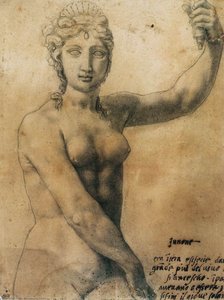
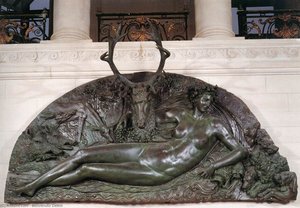
Benvenuto Cellini’s “Study for a Seal”: A Glimpse into Renaissance Genius
The world of 16th-century Florence pulsed with artistic fervor, a crucible where innovation and tradition intertwined to forge masterpieces that continue to captivate us centuries later. Among the giants of this era stands Benvenuto Cellini, not merely a goldsmith or sculptor, but a polymath—a writer, musician, soldier, and above all, an intensely self-aware artist who meticulously documented his life and work in his celebrated autobiography. Within this rich tapestry of creativity lies “Study for a Seal,” a remarkably intimate pen drawing executed around 1560 and currently residing within the hallowed halls of the Musée du Louvre. This seemingly modest piece offers a profound window into Cellini’s artistic process, revealing a meticulous mind grappling with form, symbolism, and the very essence of Renaissance aesthetics.
The drawing itself is deceptively simple: an angelic or mythological figure, rendered in delicate pen lines, stands poised upon what appears to be a stylized serpent. The creature possesses a distinctly human-like quality—a noble face, expressive eyes—yet simultaneously boasts features that transcend the purely mortal; notably, its feathered wings and the suggestion of divine attributes. This deliberate ambiguity is characteristic of Cellini’s work – he frequently blurred the boundaries between the earthly and the celestial, reflecting his own complex personality and a fascination with both the tangible beauty of craftsmanship and the intangible realm of spiritual significance. The background remains strikingly minimalist, composed of geometric shapes and lines that serve not as mere decoration but rather to frame and elevate the central figure, drawing our attention entirely to this enigmatic being.
A Master’s Process: Technique and Materials
Cellini's mastery is immediately evident in the execution of “Study for a Seal.” The work is executed entirely with pen and ink on paper, a medium that allowed him unparalleled control over line weight and detail. Observe how he employs hatching to create subtle gradations of tone, suggesting volume and texture without resorting to shading. The precision of his lines speaks volumes about his dedication to craft; each stroke is deliberate, imbued with the artist’s considered hand. The paper itself bears the marks of time – slight discoloration and warping—testaments to its age but also adding a layer of authenticity and historical resonance. It's not simply a drawing; it’s a tangible record of a creative journey, offering a rare glimpse into the mind of a master at work.
Symbolism and Context: The Seal of Florence
The “Study for a Seal” is inextricably linked to the burgeoning artistic and political landscape of Florence in the mid-16th century. In 1562, the Accademia del Disegno—the Florentine Academy of Drawing—was formally established, marking a pivotal moment in the development of Renaissance art theory and practice. The academy sought to establish standards for artistic training and patronage, and naturally required an official seal to authenticate its documents and represent its authority. Cellini, already a celebrated artist with connections to powerful figures like Francis I of France, was commissioned to design this emblem. The drawing itself is believed to be a preliminary study for the final seal, offering insights into Cellini’s initial conceptualization of the design.
The symbolism embedded within the image is rich and layered. The central figure, often interpreted as an angelic or mythological being, likely represents a deity or allegorical figure associated with wisdom, justice, or divine grace—themes frequently explored in Renaissance art. The serpent beneath suggests both temptation and transformation, reflecting the complex moral landscape of the era. The geometric background may allude to architectural principles, reinforcing the idea that art was not merely decorative but also served as a means of communicating profound philosophical and spiritual truths. It’s important to note that Cellini himself meticulously documented his artistic process in his autobiography, revealing a deep engagement with the intellectual currents of his time.
A Legacy of Craftsmanship: Reproduction Possibilities
“Study for a Seal” stands as a testament to Benvenuto Cellini's extraordinary talent and enduring legacy. Its intricate detail, evocative symbolism, and historical significance make it a truly remarkable work of art. For those seeking to experience the beauty and artistry of this masterpiece firsthand, high-quality reproductions are available through AllPaintingsStore.com. These meticulously crafted oil paintings capture the essence of Cellini’s original drawing, allowing you to bring a piece of Renaissance genius into your home or office. Consider this reproduction not merely as an image but as a portal—a connection to a world of artistic innovation and profound human expression.
Obras relacionadas


Biografía del artista
Benvenuto Cellini: Un Polímata del Renacimiento
- Nacido: Florencia, Italia (1 de noviembre de 1500)
- Fallecido: 13 de febrero de 1571
Benvenuto Cellini fue una figura notable del Renacimiento italiano, reconocido como un consumado orfebre, escultor, dibujante, soldado, músico y escritor. Sus múltiples talentos y su personalidad flamígera se capturan vívidamente en su celebrada autobiografía, considerada una obra literaria significativa junto con sus logros artísticos. Encarna el espíritu del manierismo, un período posterior al Alto Renacimiento caracterizado por un dramatismo y una complejidad estilística.
Vida Temprana y Formación Artística
Nacido en una familia con inclinaciones musicales – su padre era músico y fabricante de instrumentos – Cellini inicialmente mostró promesas en la música. Sin embargo, a los quince años, persiguió apasionadamente una carrera como orfebre, convenciendo a su reacio padre para que lo hiciera aprendiz de Antonio di Sandro (conocido como Marcone). Esto marcó el comienzo de su formación artística formal. Sus primeros años no estuvieron exentos de incidentes; a los dieciséis años, se vio envuelto en una reyerta con compañeros, lo que llevó a su destierro de Florencia y un período trabajando en Siena bajo el orfebre Fracastoro.
Obras Artísticas Principales y Estilo
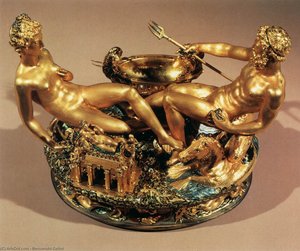
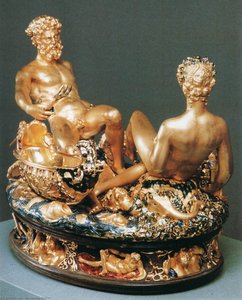
- Altar de Sal: Esta elaborada obra maestra de plata, encargada por el rey Francisco I de Francia, es posiblemente su trabajo más famoso. Muestra detalles intrincados y figuras dinámicas, ahora ubicada en el Kunsthistorisches Museum de Viena.
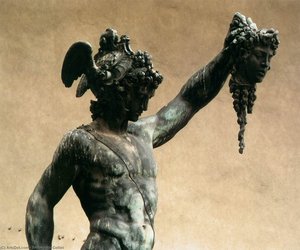
- Perseo con la Cabeza de Medusa: Una escultura de bronce que representa a Perseo triunfante sosteniendo la cabeza seccionada de Medusa, esta pieza ejemplifica la maestría de Cellini en la forma y la composición dramática. Es un testimonio de su habilidad para capturar el movimiento y la emoción en metal.
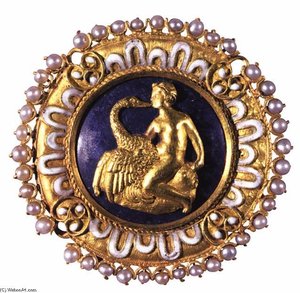
- Medalla de Oro de Leda y el Cisne: Creada para Gonfaloniere Gabriello Cesarino, esta medalla demuestra la capacidad de Cellini para combinar la mitología clásica con una artesanía exquisita.
- Proyecto para un Sello: Un dibujo conservado en el Museo Británico, que muestra sus habilidades de diseño.
El estilo de Cellini se caracteriza por su dinamismo, realismo y atención al detalle. Se inspiró en la antigüedad clásica y las figuras poderosas de Miguel Ángel, pero infundió su trabajo con una sensibilidad manierista distintiva: formas alargadas, poses exageradas y un sentido de teatralidad.
Vida Más Allá del Arte: Soldado, Músico y Autobiógrafo
La vida de Cellini se extendió mucho más allá del taller. Sirvió como soldado durante los asedios, afirmando haber desempeñado un papel crucial en la defensa de Roma contra las fuerzas imperiales. También fue un músico consumado, tocando el cornetín y la flauta en la corte papal. Sin embargo, es su autobiografía lo que verdaderamente lo distingue.
- La Vida de Benvenuto Cellini: Este relato candido y a menudo jactancioso proporciona información invaluable sobre el arte, la cultura y la sociedad del Renacimiento. Es una narrativa convincente llena de anécdotas sobre patrones, rivales y aventuras personales, que ofrece una perspectiva única de la época.
Su autobiografía no es meramente un relato de eventos; es un autorretrato cuidadosamente construido diseñado para mostrar sus talentos y justificar sus acciones. Si bien a veces es poco fiable debido a los propios sesgos de Cellini, sigue siendo una fuente primaria esencial para comprender la vida del Renacimiento.
Legado y Significado Histórico
Benvenuto Cellini murió en Florencia en 1571, dejando atrás un legado como uno de los artistas más importantes del manierismo. Su habilidad técnica, innovación artística y cautivadora autobiografía continúan inspirando a artistas y entusiastas del arte por igual. Representa el ideal renacentista quintessential: un polímata hábil en múltiples disciplinas, impulsado por la ambición y sin miedo a expresar su individualidad. Sus obras son celebradas por su belleza, artesanía y poder dramático, lo que consolida su lugar como una figura clave en la historia del arte occidental.

Benvenuto Cellini
1500 - 1571 , Italia
Datos clave
- Artistas Que Influyeron: ['Miguel Ángel']
- Fecha De Fallecimiento: 13 de febrero de 1571
- Fecha De Nacimiento: 1 de noviembre de 1500
- Lugar De Nacimiento: Florencia, Italia
- Movimiento Artístico: Manierismo
- Nacionalidad: Italiana
- Nombre Completo: Benvenuto Cellini
- Obras Notables:
- Salero de plata
- Perseo con Medusa
- Medalla Leda y el cisne
Artículos relacionados
Las 25 Obras Maestras del MET: Arte, Historia y Decoración para tu Hogar
Descubre las 25 obras maestras del MET de Nueva York: Van Gogh, Monet, Rembrandt y más. Explora la historia, el arte y los colores que inspiran tu hogar. Reproducciones de museo en AllPaintingsStore.com.
Los 10 Maestros del Renacimiento Temprano: Arte que Transformó el Mundo |
Descubre los 10 maestros del Renacimiento Temprano: Botticelli, Leonardo da Vinci y más. Explora la historia, técnica y belleza de obras icónicas italianas. Reproducciones de arte exclusivas en .

Botticelli: Las 25 Obras Maestras del Renacimiento para Decorar con Arte y Elegancia
Descubre las 25 obras maestras de Sandro Botticelli, el genio del Renacimiento italiano. Explora 'El Nacimiento de Venus', 'Primavera' y más: historia, técnica y belleza clásica. Encuentra reproducciones de arte exclusivas en AllPaintingsStore.com.
Renacimiento Humanista: 10 Obras Maestras que Cambiaron la Historia del Arte | AllPaintingsStore
Descubre 10 obras maestras del Renacimiento Humanista: Leonardo, Miguel Ángel y Rafael. Explora la historia, técnica y belleza de estos iconos del arte italiano. Reproducciones de alta calidad en AllPaintingsStore.com. ¡Encuentra tu obra perfecta!

Proto-Renacimiento: 10 Obras Maestras que Cambiaron la Historia del Arte | AllPaintingsStore
Descubre las 10 obras maestras del Proto Renacimiento que revolucionaron el arte italiano. Explora la historia de Giotto, Duccio y Cimabue. Reproducciones de arte en AllPaintingsStore.com para decorar tu hogar con belleza atemporal.