- Inicio

- Impresión en lienzo
- Caravaggio
- untitled (396)

 Vista previa
 Compartir
 Compartir
 Ver detalles

 Descargar
 Ver similares
 Radiografía
 Presentación automática
untitled (396)

 Leer más
Giclée / Impresión de arte
Impresiones giclée o en lienzo de calidad de museo con producción rápida y opciones de acabado flexibles. ( Cambiar a pintura hecha a mano Cambiar a imagen)




P118B $10

P118H $10

P118W $10

P438Z $10

P508JH $12

P508YH $12

P805H $10

P805Z $10

P919BZ $10

P919G $10

P919XJ $10

P959ZH $10

P968JZ $12

W106C $8

W218G $10

W218JH $8

W218Y $10

W307PJ $10

W316G $10

W316PJ $8

W316Y $10

W398PJ $8

W4111J $10

W500HY $15

W500JH $15

W692G $12

W849H $8

W940BG $15

W953PJ $8




Elija entre nuestros tamaños predefinidos que respetan las proporciones originales de la obra.

Puede introducir sus propias dimensiones para adaptarse a un marco o espacio específico. Si el tamaño seleccionado no coincide con las proporciones de la imagen original, recortaremos la obra de arte o extenderemos la imagen con un borde con efecto espejo o de color sólido. Se enviará una maqueta digital para su aprobación antes de que comience la producción.
Tenga en cuenta que la vista previa en pantalla no refleja el recorte o la extensión real. Solo la maqueta mostrará con precisión la composición final.
Aunque existen tamaños personalizados, recomendamos seleccionar una dimensión de la lista predefinida para preservar las proporciones originales.
Envío a todo el mundo () en 2 semanas en lugar de las 4/5 semanas estándar. (1 agosto)

Envío exprés gratuito a todo el mundo

Lienzo de lino de alta calidad

Seguro de envío completo

Garantía de reembolso de aranceles aduaneros

Garantía de fidelidad cromática exacta

Política de devolución de 60 días (solo por defectos)

Garantía de devolución del 100% del dinero

Oferta por volumen
 La opción de vidrio solo está disponible en tamaños inferiores a 110 cm.

untitled (396)
Giclée / Impresión de arte
Tamaño de la reproducción
-


Precio total
$ 64
Detalles de la pieza
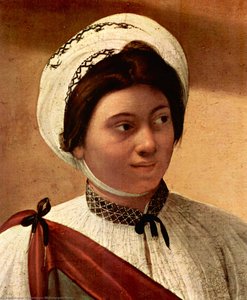
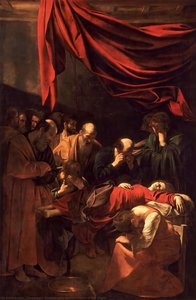
Caravaggio’s Angel: A Study in Suffering and Divine Grace
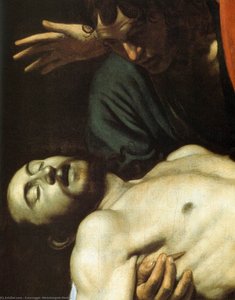
The painting, tentatively titled “Untitled (396),” presents an arresting image of anguish juxtaposed with serene beauty—a hallmark of Caravaggio's distinctive artistic vision. Captured on canvas with meticulous detail, it depicts an angel lying prone upon the earth, its wings outstretched as if attempting to shield itself from an unseen torment. The scene unfolds beneath a turbulent sky rendered in shades of grey and bruised purple, mirroring the internal turmoil experienced by the angelic figure.Style and Technique: Baroque Drama Embodied
Caravaggio’s approach to painting firmly established him within the Baroque movement, prioritizing dramatic realism over idealized representations. Unlike Renaissance artists who sought harmony and balance, Caravaggio deliberately employed chiaroscuro—the masterful manipulation of light and shadow—to heighten emotional impact. The angel's body is bathed in a luminous glow emanating from an unseen source, highlighting its vulnerability while simultaneously emphasizing its spiritual essence. Conversely, the surrounding darkness amplifies the sense of despair and underscores the angel’s isolation. Caravaggio achieved this breathtaking effect through painstaking layering of glazes – thin coats of translucent paint – allowing for subtle gradations of color and texture that imbue the artwork with palpable depth.Historical Context: Rome Under Papal Patronage
Created in Rome during the height of papal patronage—a period characterized by fervent religious fervor—the painting reflects the Baroque preoccupation with portraying human emotion and spiritual experience. Caravaggio’s commission came from Cardinal Francesco Maria Pallotta, a wealthy patron who sought to adorn his villa with artworks that conveyed profound theological themes. The angel's pose echoes biblical depictions of Christ’s descent into Hades during Lent, symbolizing redemption through suffering—a central concept within Catholic dogma. Furthermore, the inclusion of two birds perched atop the angel’s wings adds another layer of symbolic significance. Traditionally interpreted as representing hope and divine providence, these avian figures serve as a visual reminder of God's unwavering care for humanity amidst adversity.Symbolism: Light Versus Darkness – A Reflection of Faith
The overarching symbolism within “Untitled (396)” centers on the confrontation between light and darkness—a motif recurrent throughout Caravaggio’s oeuvre and emblematic of the spiritual battle waged by humankind against evil. The angel's radiant luminescence represents divine grace, offering solace and reassurance in the face of despair. Simultaneously, the enveloping darkness symbolizes mortality and temptation, highlighting the angel’s precarious position as it struggles to maintain its faith amidst overwhelming sorrow. This duality underscores Caravaggio’s profound understanding of human psychology and his ability to translate complex theological ideas into emotionally resonant visual narratives.Emotional Impact: A Portrait of Vulnerability and Resilience
Ultimately, “Untitled (396)” transcends mere depiction; it compels viewers to contemplate the nature of suffering and the enduring power of faith. The angel’s expression—a mixture of pain and acceptance—resonates with universal human experience—the acknowledgement that vulnerability is inseparable from grace. Caravaggio's masterful technique captures not only the physical form but also the intangible essence of emotion, inviting contemplation on themes of mortality, redemption, and divine compassion. It remains a testament to Caravaggio’s unparalleled ability to transform artistic skill into profound spiritual insight – an achievement that continues to inspire artists and collectors alike.Obras relacionadas


Biografía del artista
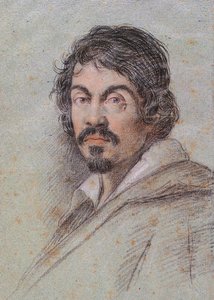
Michelangelo Merisi da Caravaggio: Vida y Legado
Primeros Años y Formación (1571-1592)
- Michelangelo Merisi da Caravaggio, comúnmente conocido simplemente como Caravaggio, nació en Milán en 1571.
- Su familia se mudó al pueblo de Caravaggio debido a una devastadora epidemia que asoló Milán.
- Tras la muerte de su padre y abuelo en 1577, su madre crió a sus cinco hijos en relativa pobreza.
- En 1584, comenzó un aprendizaje de cuatro años con Simone Peterzano, un pintor que había sido alumno de Tiziano. Esta formación fundamental le inculcó las técnicas de la pintura renacentista.
Carrera Artística y Estilo (1592-1610)
- La carrera artística de Caravaggio floreció en Roma, donde llegó alrededor de 1592. Inicialmente tuvo dificultades para obtener reconocimiento pero rápidamente se estableció con su estilo innovador.
- Su característica más definitoria fue el uso magistral del claroscuro, el contraste dramático entre la luz y la oscuridad. Esta técnica, a menudo denominada tenebrismo, se convirtió en una marca registrada de la pintura barroca.
- Rechazó las formas idealizadas en favor de representaciones realistas, a menudo utilizando personas comunes como modelos para figuras religiosas.
- Las pinturas de Caravaggio son conocidas por su intensa realidad emocional y narrativas dramáticas.
Obras Clave
- La Profesora de Cartomancia (1594): Una obra temprana que muestra su estilo realista y atención al detalle.
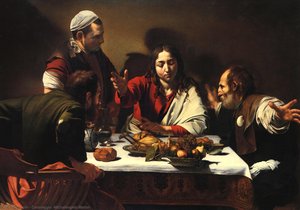
- La Cena en Emaús (1601-1602): Una representación poderosa de la escena bíblica, demostrando su maestría del claroscuro y la intensidad emocional.
- San Francisco de Asís en Ecstasis (1594): Ilustra su capacidad para transmitir experiencia espiritual a través de imágenes realistas.
- La Captura de Cristo (c. 1602): Una composición dramática que destaca la traición y el arresto de Jesús.
- David con la Cabeza de Goliat (c. 1610): Un retrato psicológicamente complejo del héroe bíblico.
Influencias y Desarrollo Artístico
- Caravaggio fue influenciado por las obras de maestros renacentistas como Tiziano, Leonardo da Vinci y Miguel Ángel, que estudió durante su aprendizaje.
- Se alejó del estilo predominante manierista, adoptando un enfoque más directo y naturalista a la pintura.
- Su uso de luz y sombra se inspiró tanto en las tradiciones artísticas como en la iluminación teatral común en Roma en ese momento.
Logros Importantes e Importancia Histórica
- Caravaggio revolucionó la pintura barroca con su realismo dramático, el uso innovador del claroscuro y las composiciones cargadas de emoción.
- Inspiró a una generación de artistas conocidos como los “caravaggistas” o “sombras”, que adoptaron su estilo en toda Europa. Seguidores notables incluyen a Pedro Pablo Rubens, Jusepe de Ribera y Gerrit van Honthorst.
- Su obra desafió las convenciones artísticas y allanó el camino para un enfoque más moderno a la pintura.
- A pesar de una vida personal tumultuosa marcada por la violencia y los problemas legales, el legado artístico de Caravaggio sigue siendo profundo e imborrable.
Vida Tardía y Muerte
- En 1606, Caravaggio huyó de Roma después de matar a un hombre en una pelea. Pasó los siguientes años viajando entre Nápoles, Malta y Sicilia.
- Solicitó el perdón papal pero continuó enfrentándose a desafíos legales y conflictos personales.
- Caravaggio murió en Porto Ercole, Italia, en 1610 bajo circunstancias misteriosas. La causa de su muerte sigue siendo debatida, con teorías que van desde la fiebre hasta el envenenamiento.
Caravaggio
1571 - 1610 , España
Datos clave
- Artistas Influenciados:
- Pedro Pablo Rubens
- Jusepe de Ribera
- Gerrit van Honthorst
- Artistas Que Influyeron:
- Simone Peterzano
- Tiziano
- Leonardo da Vinci
- Miguel Ángel
- Fecha De Muerte: 1610
- Fecha De Nacimiento: 1571
- Lugar De Nacimiento: Milán, España
- Movimiento Artístico: Barroco
- Nacionalidad: Italiana
- Nombre Completo: Michelangelo Merisi da Caravaggio
- Obras Notables:
- La Fortuna Diriente
- Cena en Emmaús
- San Francisco en Éxtasis
- La Toma de Cristo
- David con la cabeza de Goliat
- Cesta de Frutas
- Flagelación de San Pedro
- Écue Homo
Artículos relacionados

The Dramatic Vista: Exploring Emotion, Power & Technique in Baroque Landscape Painting
Explore the dramatic power of Baroque landscape painting! Discover Rembrandt, Vermeer & Caravaggio's techniques, symbolism & lasting influence. Expert insights for art lovers & collectors at AllPaintingsStore.

El Florecimiento Dramático del Arte Barroco: Historia, Características e Influencia Duradera
Descubre la historia, características y legado del arte barroco con . Explora obras maestras de Velázquez, Goya y más. ¡Expertos en reproducciones y asesoramiento artístico!

Barroco Sublime: 10 Obras Maestras que Definieron una Época |
Descubre las 10 obras maestras del Barroco que marcaron una época. Caravaggio, Bernini y Velázquez cobran vida en . Reproducciones de arte de calidad museo para decorar tu hogar con elegancia. ¡Explora la colección online!
Las 10 Obras de Arte Más Dramáticas: Emoción y Belleza para tu Hogar
Descubre las 10 obras de arte más dramáticas de la historia. Explora el expresionismo de Munch, el romanticismo de Goya y los intensos lienzos de Caravaggio. Encuentra reproducciones de arte de museo en .

The Dramatic Flourish: Exploring Baroque Painting's Emotional Intensity & Artistic Innovations
Explore the dramatic world of Baroque painting! Discover its history, defining characteristics, iconic artists like Caravaggio & Rubens, and lasting influence on Western art. Expert insights for collectors.