

1882. Acrílico sobre lienzo.

§ 1Datos del catálogo


§ 2Abstracto
Descripción del objeto
"Pourville" de Claude Monet captura la belleza efímera del paisaje costero normando con pinceladas impresionistas y una paleta cromática vibrante. Descubre su atmósfera serena y legado artístico!
 Ver más
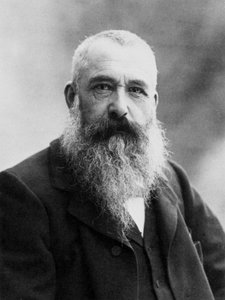
Biografía del artista
¡Explora a Claude Monet (1840-1926), el fundador del Impresionismo! Descubre nenúfares icónicos, paja y paisajes que capturan la luz y la esencia de la naturaleza. Una figura fundamental en el arte moderno.
§ 3Comentario
Pourville: A Symphony of Light and Texture
Claude Monet’s “Pourville,” completed in 1882, isn't merely a depiction of a coastal village; it’s an embodiment of Impressionism itself. Situated on the Normandy coast near Dieppe, this painting captures a fleeting moment—a hazy afternoon bathed in diffused sunlight—that embodies Monet’s unwavering dedication to portraying nature as he truly perceived it.
Monet's artistic vision was profoundly influenced by Eugène Boudin, who championed plein air painting – working outdoors directly before the subject. This approach allowed Monet to immerse himself in the immediacy of the environment and translate its subtle nuances onto canvas with unparalleled accuracy. The scene unfolds on a hillside overlooking the ocean, populated by modest houses painted in warm hues that invite contemplation.
The technique employed is characteristic of Impressionism: loose brushstrokes layered upon one another create a shimmering surface texture that captures the ephemeral quality of light. Monet skillfully blends complementary colors—blues and yellows—to heighten visual vibrancy and convey the atmosphere of the day. Notice how the artist uses broken color to simulate the way sunlight scatters across surfaces, creating an illusion of depth and luminosity.
Beyond its aesthetic beauty, “Pourville” holds symbolic significance. The hillside represents stability amidst the restless sea, mirroring Monet’s own desire for tranquility and artistic fulfillment during a period marked by personal challenges. The boats scattered along the shoreline symbolize movement and connection to the natural world—a core element of Impressionist philosophy.
This artwork resonates deeply with viewers due to its ability to evoke feelings of serenity and nostalgia. It’s a testament to Monet's genius in capturing not just what he saw, but also how he felt – a profound appreciation for the beauty of everyday life rendered with breathtaking artistry. Its presence in museums like the Musée Marmottan Monet underscores its enduring legacy as one of Impressionism’s finest achievements.
- Impressionism is characterized by its emphasis on light and color, as seen in Monet's Pourville.
- The use of vibrant colors and bold brushstrokes gives the painting a sense of energy and movement.
- Monet’s unique style is also evident in his other works, such as pourville a maree basse, available on AllPaintingsStore.com.
Consider its influence on artists like Pierre-Auguste Renoir and Vincent Van Gogh, who similarly explored the coastal landscape in their paintings. For instance, “The Luncheon of the Boating Party” showcases Renoir’s masterful depiction of leisure and social interaction under a sunny sky.
Preguntas y respuestas
¿De qué manera "Pourville" de Claude Monet vincula el Impressionismo con el país de origen del artista?
La obra de Impressionismo "Pourville" fue realizada por un artista nacido en Francia.
¿Qué lugar ocupa "Pourville" entre los temas recurrentes de Claude Monet?
"Pourville" representa paisaje, costera, mar, pintura, luminosidad, naturaleza, ambiente, belleza, mientras que los temas recurrentes de Claude Monet son captura de luz natural y atmósfera costera., reflejo del paisaje normando de la época., parte esencial del legado artístico de monet.. Al comparar ambos, se observa cómo la obra se relaciona con los temas habituales del artista.
¿Los colores de "Pourville" de Claude Monet son intensos o tenues?
Los colores de "Pourville" de Claude Monet presentan una saturación Suavidad equilibrada con una intensidad Equilibrado.


 Cambiar a impresiones


 Para obras de arte o reproducciones que midan más de 105 cm (aproximadamente 41 pulgadas) en cualquiera de sus lados, el marco se enviará como un kit desmontado. Este método garantiza una entrega segura y evita daños durante el transporte.


