


 Vista previa
 Compartir
 Compartir
 Ver detalles

 Descargar
 Ver similares
 Radiografía
 Presentación de diapositivas
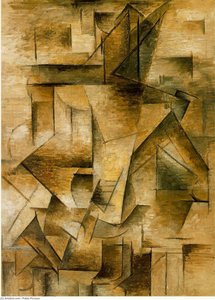
Fragment (Hanging)
 500
500 136.0cm x 88.0cm
 Leer más
Giclée / Impresión de arte
Impresiones giclée o en lienzo de calidad de museo con producción rápida y opciones de acabado flexibles. ( Encargar reproducción pintada a mano Comprar descarga)




































Elija entre nuestros tamaños predefinidos que respetan las proporciones originales de la obra.

Puede introducir sus propias dimensiones para adaptarse a un marco o espacio específico. Si el tamaño seleccionado no coincide con las proporciones de la imagen original, recortaremos la obra de arte o extenderemos la imagen con un borde con efecto espejo o de color sólido. Se enviará una maqueta digital para su aprobación antes de que comience la producción.
Tenga en cuenta que la vista previa en pantalla no refleja el recorte o la extensión real. Solo la maqueta mostrará con precisión la composición final.
Aunque existen tamaños personalizados, recomendamos seleccionar una dimensión de la lista predefinida para preservar las proporciones originales.
Envío a todo el mundo () en 2 semanas en lugar de las 4/5 semanas estándar. (19 agosto)

Envío exprés gratuito a todo el mundo

Lienzo de lino de alta calidad

Seguro de envío completo

Garantía de reembolso de aranceles aduaneros

Garantía de fidelidad cromática exacta

Política de devolución de 60 días (solo por defectos)

Garantía de devolución del 100% del dinero

Oferta por volumen
 La opción de vidrio solo está disponible en tamaños inferiores a 110 cm.

Fragment (Hanging)
Giclée / Impresión de arte
Tamaño de la reproducción
-


Precio total
$ 64
Descripción de la pieza
Obras relacionadas


Biografía del artista
Coptic Art: Exploring the Legacy of Ragheb Ayad
Ragheb Ayad (1892 – 1982) stands as a pivotal figure in Egyptian art history, embodying the spirit of innovation and cultural preservation during a transformative era. Born in Faggala, Cairo, he embarked on an artistic journey shaped by formal education at the École des Frères and subsequent enrollment in the School of Fine Arts established by Prince Youssef Kamal—a landmark institution that championed European artistic methodologies while nurturing Egyptian talent. Among his peers were Mahmoud Mokhtar (1891 – 1934), Youssef Kamel (1891 – 1971), Antoine Haggar (1896 – 1962) and Mohammed Hassan (1892 – 1961)—artists who would collectively define the “pioneers” (*ar-ruwwād*) generation, marking a decisive break from traditional artistic conventions. His formative years at the School of Fine Arts instilled in Ayad a profound understanding of Western artistic principles—particularly those championed by École Supérieure des Beaux-Arts de Paris and Royal Academy of Fine Arts in Rome—influencing his stylistic choices throughout his career. Recognizing the importance of international exchange, he collaborated with Youssef Kamel on an ambitious project: establishing an Egyptian Academy in Rome mirroring the models of other European academies. This initiative underscored Ayad’s commitment to fostering artistic dialogue and elevating Egyptian art within the broader context of global cultural discourse. Ayad's artistic output spanned decades, characterized by a distinctive folklorist style that distinguished him from his contemporaries. Rejecting purely academic pursuits, he embraced the vibrant traditions of rural Egypt—capturing scenes of daily life in marketplaces, agricultural labor, and convivial cafés—as well as delving into ritualistic practices like *zār* (Nubian trance dance) and *taḥtīb* (Upper Egyptian stick fighting). These subjects resonated deeply with Ayad’s artistic sensibilities, reflecting his fascination for the authentic expressions of Egyptian culture. Furthermore, Ayad devoted considerable effort to portraying religious iconography—primarily Coptic monasteries—demonstrating a profound reverence for Christian heritage. His meticulous technique—employing egg tempera and gouache—produced canvases imbued with textural richness and luminous color palettes that conveyed both visual beauty and spiritual depth. Notably, he meticulously recreated the Monastery of St Mary Garden City’s iconostasis, which is considered one of the most complete programs of iconography produced by Coptic artists during Medieval Egypt. His artistic legacy extends beyond individual artworks; Ayad played a crucial role in shaping the trajectory of Egyptian art education and fostering appreciation for cultural heritage. As director of the Museum of Egyptian Modern Art from 1950 to 1955, he championed the work of Mahmoud Mokhtar—a fellow pioneer—establishing a dedicated section honoring Mokhtar’s sculptural achievements. This commitment to artistic excellence solidified Ayad's position as a champion of Egyptian art and culture, ensuring that his contributions would endure for generations to come. Ragheb Ayad’s enduring influence stems from his pioneering role in blending European artistic training with Egyptian folkloric traditions—a synthesis that produced an unparalleled visual vocabulary reflecting the spirit of Egypt during its modern era. His distinctive style continues to inspire artists today, cementing his place as one of the most important figures in Coptic art history and a testament to the transformative power of cultural exchange.
coptic
Egypt
Datos clave
- Artistic Movement Or Style: Folkorist
- Artists Or Movements Influenced By This Artist: ['European Art']
- Artists Who Influenced This Artist:
- Mahmoud Mokhtar
- Youssef Kamel
- Date Of Death: 1982
- Full Name: Ragheb Ayad
- Nationality: Egyptian
- Notable Artworks:
- The Market Place
- Zār Dance
- Taḥtīb
- Place Of Birth: Cairo, Egypt



