Vista previa
 Compartir
 Compartir
 Ver detalles
 Guía
Guía

 Descargar
 Ver artículos similares
 Radiografía
 Presentación de diapositivas
 Estadísticas
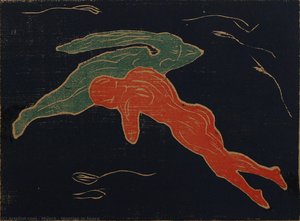
Despair


 Leer más
Giclée / Impresión de arte
Impresiones giclée o en lienzo de calidad de museo con producción rápida y opciones de acabado flexibles. ( Encargar reproducción pintada a mano Ver versión en imagen digital)




P118B €10

P118H €10

P118W €10

P438Z €10

P508JH €12

P508YH €12

P805H €10

P805Z €10

P919BZ €10

P919G €10

P919XJ €10

P959ZH €10

P968JZ €12

W106C €8

W218G €10

W218JH €8

W218Y €10

W307PJ €10

W316G €10

W316PJ €8

W316Y €10

W398PJ €8

W4111J €10

W500HY €15

W500JH €15

W692G €12

W849H €8

W940BG €15

W953PJ €8




Elija entre nuestros tamaños predefinidos que respetan las proporciones originales de la obra.

Introduzca el ancho y el alto que necesite para adaptarse a su marco o pared. Una impresión solo puede recortarse, nunca hacerse más grande que la imagen original, por lo que un tamaño con una forma distinta perderá parte de la obra. Le enviaremos una maqueta digital para su aprobación antes de realizar cualquier impresión. La imagen que se muestra en esta página no refleja el recorte real; solo la maqueta lo hace.
Envío a todo el mundo () en 2 semanas en lugar de las 4/5 semanas estándar. (23 octubre)

Envío exprés gratuito a todo el mundo

Lienzo de lino de alta calidad

Seguro de envío completo

Garantía de reembolso de impuestos aduaneros

Garantía de fidelidad cromática exacta

Política de devolución de 100 días (solo por defectos)

Garantía de devolución del 100% del dinero

Oferta por volumen
 La opción de vidrio solo está disponible en tamaños inferiores a 110 cm.

Despair
Giclée / Impresión de arte
Tamaño de la reproducción
-


Precio total
€ 56
The Artist: Edvard Munch
Edvard Munch, a Norwegian painter and printmaker, is renowned for his expressionist style that delves into the depths of human emotion. Born in 1863, Munch was heavily influenced by the Impressionists and Post-Impressionists, but he developed a unique approach to art that emphasized personal experience and emotional intensity. His works often depict themes of love, death, and melancholy, reflecting his own struggles with mental health and existential anxiety.The Painting: Despair
Despair (1892) is a striking example of Munch's ability to convey complex emotions through art. The painting features a solitary figure, presumably the artist himself, standing on a pier and gazing out at the sea. The dark, muted colors and loose brushstrokes create an atmosphere of melancholy and introspection, while the vast expanse of water in the background suggests a sense of isolation and loneliness. Despair is part of Munch's "Frieze of Life" series, which explores the human condition from birth to death. This particular painting represents the theme of melancholy and despair, reflecting Munch's own struggles with depression and anxiety. The figure in the painting appears lost in thought, as if contemplating the meaning of life and the inevitability of death.Historical Context: Symbolism
Despair is often associated with the symbolist movement, a cultural and artistic phenomenon that emerged in Europe in the late 19th century. Symbolism emphasized the importance of subjective experience and the power of suggestion over representation. Artists sought to evoke emotions and ideas through symbols and metaphors, rather than depicting reality in a literal sense. Munch's work fits well within this movement, as he often used symbolic elements to convey complex emotions and themes. Despair, for example, features the sea as a symbol of the unconscious mind and the vastness of existence. The figure on the pier represents the individual's struggle to make sense of their own emotions and experiences in the face of an overwhelming and mysterious universe.Conclusion
Despair by Edvard Munch is a powerful exploration of human emotion, reflecting the artist's own struggles with depression and anxiety. As part of the symbolist movement, the painting emphasizes subjective experience and the power of suggestion over representation. By using symbols and metaphors to convey complex emotions, Munch invites viewers to contemplate their own experiences of melancholy and despair. At AllPaintingsStore.com, we offer high-quality reproductions of Despair and other works by Edvard Munch. Our handmade oil paintings capture the depth and intensity of Munch's original vision, allowing you to bring a piece of art history into your own home or office. Browse our collection today and discover the beauty and power of expressionist art. Edvard Munch - Despair (1892)/en/art/show/art-6whk8g-en/
/en/art/show/art-8xxu48-en/
/en/art/list/
/en/art/show/art-5zkg47-en/
/en/art/show/art-9dj99b-en/
/en/art/show/art-8xy5w5-en/
/en/art/show/art-5zkdk5-en/
/en/art/show/art-5zkh5g-en/
/en/art/show/art-5zkd8c-en/
/en/art/show/art-8xyc2c-en/
/en/art/show/art-8xy5w5-en/
/en/art/show/art-5zkdk5-en/
/en/art/show/art-5zkh5g-en/
/en/art/show/art-5zkd8c-en/
/en/art/show/art-8xyc2c-en/
/en/art/show/art-8xy5w5-en/
/en/art/show/art-5zkdk5-en/
/en/art/show/art-5zkh5g-en/
/en/art/show/art-5zkd8c-en/
/en/art/show/art-8xyc2c-en/
/en/art/show/art-8xy5w5-en/
/en/art/show/art-5zkdk5-en/
/en/art/show/art-5zkh5g-en/
/en/art/show/art-5zkd8c-en/
/en/art/show/art-8xyc2c-en/
/en/art/show/art-8xy5w5-en/
/en/art/show/art-5zkdk5-en/
/en/art/show/art-5zkh5g-en/
/en/art/show/art-5zkd8c-en/
/en/art/show/art-8xyc2c-en/<
Preguntas y respuestas
¿Está disponible una descarga para "Despair"?
Puede descargar "Despair" de Edvard Munch desde la página de Descargar de la obra, como descarga de una imagen digital en alta resolución.
¿Qué color predomina en la composición de "Despair" de Edvard Munch?
El Espresso (#5c5458) es el color predominante de "Despair" de Edvard Munch.
¿Quién es el autor de "Despair" y a qué movimiento pertenece?
Detrás de "Despair" se encuentran Edvard Munch y el movimiento Expressionistic Symbolism.
Obras relacionadas


Biografía del artista
Edvard Munch: Vida y Legado
Primeros Años e Influencias (1863-1889)
Edvard Munch nació el 12 de diciembre de 1863, en Adelsbruk, Suecia, aunque pasó la mayor parte de su vida en Noruega. Su infancia estuvo profundamente marcada por la tragedia y la inestabilidad. La temprana pérdida de su madre a causa de tuberculosis cuando tenía cinco años, seguida de la muerte de su querida hermana Sophie por la misma enfermedad nueve años después, dejaron una marca indeleble en la psique de Munch. También luchó contra un miedo constante a heredar la enfermedad mental familiar que afligió a su padre. Estas experiencias le inculcaron una profunda preocupación por la mortalidad, la enfermedad y el sufrimiento psicológico – temas que dominarían su producción artística.
La educación temprana de Munch en la Escuela Real de Arte y Diseño en Kristiania (ahora Oslo) resultó fundamental. Allí, conoció al filósofo nihilista Hans Jæger, quien animó a Munch a explorar sus tormentos internos y expresarlos a través del arte, rechazando los estilos académicos convencionales. Esta mentoría lo impulsó hacia un enfoque más subjetivo y emocionalmente cargado en la pintura.
Desarrollo Artístico e Influencias Parisinas (1890-1900)
La década de 1890 presenció el desarrollo artístico crucial de Munch, fuertemente influenciado por sus viajes a París y Berlín. En París, se expuso al vibrante panorama artístico y absorbió las influencias de los Postimpresionistas como Paul Gauguin, Vincent van Gogh y Henri de Toulouse-Lautrec. Abrazó su uso audaz del color, sus pinceladas expresivas y su rechazo a la representación naturalista. La intensidad emocional de Van Gogh resonó particularmente con las propias luchas de Munch.
Su tiempo en Berlín le permitió contactar al dramaturgo sueco August Strindberg, una relación que resultó tanto personal como estimulante artisticamente. Este período también vio el origen de su ambicioso ciclo “La Franja de la Vida”—una colección de pinturas que exploran temas de amor, miedo, celos, traición y muerte – todos representados con intensa emotividad y profundidad psicológica.
Obras Principales y Estilo Artístico (1900-1920s)
El estilo artístico de Munch se caracteriza por su emoción cruda, sus formas distorsionadas y el uso simbólico del color. Se alejó de la representación realista, priorizando la expresión de los sentimientos internos sobre la representación objetiva. Sus obras a menudo evocan una sensación de inquietud, ansiedad y desesperación existencial.
- El Grito (1893-1910): Su pintura más icónica, que representa a una figura abrumada por una crisis existencial contra un paisaje en llamas y retorcido. Existen múltiples versiones en varios medios.
- La Madonna (1894-1895): Una obra controvertida y profundamente personal que explora temas de sexualidad, maternidad y mortalidad.
- El Niño Enfermo (varias versiones): Un motivo recurrente que refleja el trauma infantil de Munch y la pérdida de seres queridos.
- Melancolía I (1891) & II (1892): Representaciones poderosas de la profunda tristeza y el aislamiento.
Años Posteriores, Reconocimiento y Legado (1920s-1944)
A pesar de lograr cada vez más fama y éxito financiero en su vida posterior, la vida personal de Munch siguió siendo turbulenta. Un grave colapso mental en 1908 condujo a un período de hospitalización y abstinencia del alcohol. Sin embargo, sus años posteriores vieron una resurgimiento de la creatividad y el reconocimiento, particularmente en Kristiania (Oslo). Recibió numerosos premios y elogios, consolidando su reputación como uno de los artistas más importantes de Noruega.
Munch murió el 23 de enero de 1944, en Ekely, cerca de Oslo. Su legado está asegurado por el Museo Munch (establecido en 1963), que alberga una extensa colección de sus obras, incluyendo numerosas versiones de *El Grito*, así como otras pinturas, grabados y dibujos significativos.
Significado Histórico
La contribución de Edvard Munch al arte moderno es innegable. Se considera una figura clave en el desarrollo del Expresionismo, abriendo camino a los artistas que buscaban transmitir emociones y estados psicológicos subjetivos en lugar de la realidad objetiva. Su exploración sin tapujos de las experiencias humanas universales – amor, pérdida, ansiedad y muerte – sigue resonando con el público mundial, convirtiéndolo en una de las figuras más influyentes y perdurables en la historia del arte. Su obra impactó profundamente a las generaciones posteriores de artistas, influyendo en movimientos como el Expresionismo alemán y más allá, consolidando su lugar como un artista visionario que se atrevió a confrontar los aspectos más oscuros de la condición humana.
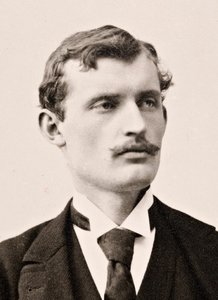
Edvard Munch
1863 - 1944 , Suecia
Datos clave
- Artistas Influenciados Por Este Artista: ['Expresionismo alemán']
- Artistas Que Influyeron:
- Paul Gauguin
- Vincent van Gogh
- Henri de Toulouse-Lautrec
- Fecha De Muerte: 23 de enero de 1944
- Fecha De Nacimiento: 12 de diciembre de 1863
- Lugar De Nacimiento: Adelsbruk, Suecia
- Movimiento Artístico: Expresionismo
- Nacionalidad: Noruego
- Nombre Completo: Edvard Munch
- Obras Notables:
- El Grito
- La Madonna
- El Niño Enfermo
- Melancolía I & II
Artículos relacionados

Edvard Munch: Anxiety, Modernity & the Dawn of Expressionism
Explore the profound world of Edvard Munch, pioneer of Expressionism. Discover the origins of 'The Scream' & his haunting depictions of anxiety, mortality, and love. Expert analysis & high-quality reproductions at AllPaintingsStore.

Expresionismo: 10 Obras Maestras que Revolucionaron el Arte |
Descubre las 10 obras maestras del Expresionismo que marcaron un hito en la historia del arte. Explora a Munch, Kirchner y Kandinsky en . Reproducciones de arte de museo para transformar tu hogar.

Unlocking Emotion: A Beginner's Guide to the Raw Power of Symbolic Expressionism Art
Discover the raw emotion of Symbolic Expressionism. Our expert guide explores how masters like Munch use color and form to convey inner feelings, offering inspiration for collectors looking to bring powerful, soulful art into their modern homes.

The Raw Emotion of Expressionism: A Deep Dive into its History, Characteristics & Enduring Influence
Explore the raw emotion of Expressionism with AllPaintingsStore. Discover its history, key artists like Kirchner & Munch, and lasting influence on modern art. Expert insights for collectors & enthusiasts.

Edvard Munch: Las 25 Obras Maestras que Definen su Genio Artístico | AllPaintingsStore
Descubre las 25 obras maestras de Edvard Munch, el genio del expresionismo. Explora 'El Grito' y otros lienzos icónicos que capturan la angustia y belleza humana. Reproducciones de arte exclusivas en AllPaintingsStore.com.