Ver en contexto
 Enviar
 Compartir
 Detalles
 Guía
Guía

 Descargar
 Similares
 Radiografía
 Presentación de diapositivas
 Q&A
Q&A Estadísticas
La Enfermera


 Ver más
Giclée / Impresión de arte
Impresiones giclée o en lienzo de calidad de museo con producción rápida y opciones de acabado flexibles. ( Comprar pintura hecha a mano Cambiar a imagen digital)




P118B €10

P118H €10

P118W €10

P438Z €10

P508JH €12

P508YH €12

P805H €10

P805Z €10

P919BZ €10

P919G €10

P919XJ €10

P959ZH €10

P968JZ €12

W106C €8

W218G €10

W218JH €8

W218Y €10

W307PJ €10

W316G €10

W316PJ €8

W316Y €10

W398PJ €8

W4111J €10

W500HY €15

W500JH €15

W692G €12

W849H €8

W940BG €15

W953PJ €8




Elija entre nuestros tamaños predefinidos que respetan las proporciones originales de la obra.

Introduzca el ancho y el alto que necesite para adaptarse a su marco o pared. Una impresión solo puede recortarse, nunca hacerse más grande que la imagen original, por lo que un tamaño con una forma distinta perderá parte de la obra. Le enviaremos una maqueta digital para su aprobación antes de realizar cualquier impresión. La imagen que se muestra en esta página no refleja el recorte real; solo la maqueta lo hace.
Envío a todo el mundo () en 2 semanas en lugar de las 4/5 semanas estándar. (2 noviembre)

Envío exprés gratuito a todo el mundo

Lienzo de lino de alta calidad

Seguro de envío total

Garantía de reembolso de aranceles aduaneros

Garantía de fidelidad cromática exacta

Política de devolución de 100 días (solo por defectos)

Garantía de devolución del 100% del dinero

Descuento por cantidad
 La opción de vidrio solo está disponible en tamaños inferiores a 110 cm.

La Enfermera
Giclée / Impresión de arte
Dimensiones de la reproducción
-


Precio total final
€ 57
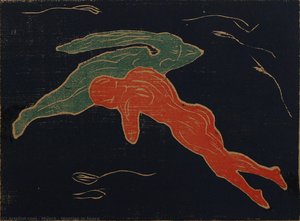
A Window Into Existential Anguish: Edvard Munch’s “The Sick Girl” (1894)
Edvard Munch remains a titan of modern art, and “The Sick Girl,” created in 1894, stands as a profoundly moving testament to his artistic vision. This work isn't merely a depiction of physical illness; it’s an exploration of psychological torment, grief, and the fragility of life – themes that resonate deeply even today. It captures not just what Munch saw but what he *felt*, transforming observation into visceral emotion.Subject & Composition
The artwork presents a young woman lying in bed, her face turned away from the viewer, shrouded in shadow. A male figure stands beside her, his posture conveying worry and helplessness. The composition is deliberately claustrophobic; the figures dominate the space, creating an intense sense of intimacy and confinement. Munch’s use of line – particularly in this etching – isn't about precise representation but rather a feverish rendering that amplifies the emotional weight of the scene. The stark contrast between light and shadow further heightens the dramatic tension. This deliberate restriction of space mirrors the internal struggle depicted, emphasizing the isolation and vulnerability experienced by both figures.Style & Technique: Expressionism Defined
“The Sick Girl” exemplifies Munch’s pioneering role in the development of Expressionism. Rejecting Impressionism's focus on capturing fleeting moments of light, Munch sought to externalize *inner* emotional states. The rough handling of materials – evident in the vigorous etching technique with its cross-hatching and linear shading – is integral to this expressive goal. The distortion of form and the use of somber colors aren’t accidental; they are deliberate choices designed to convey a sense of unease, anxiety, and despair. Munch's masterful manipulation of tonal values contributes significantly to the artwork's haunting atmosphere. The etching process itself—characterized by meticulous scratching onto metal plate—allowed for unparalleled control over texture and shading, resulting in an image that pulsates with palpable emotion.Historical & Personal Context
This artwork is deeply rooted in Munch’s personal history. The figure of the sick girl is widely believed to be his sister Johanne Sophie, who succumbed to tuberculosis at the age of fifteen. Munch experienced significant loss throughout his life – his mother died when he was young, and illness plagued his family. These experiences instilled a lifelong preoccupation with death, disease, and psychological suffering. The late 19th century itself was a period of societal upheaval and growing anxieties about modernity, themes that found expression in Munch’s work. He sought to confront these fears head-on, translating them into visual language that continues to unsettle viewers today.Symbolism & Emotional Impact
Beyond the literal depiction of illness, “The Sick Girl” is rich with symbolism. The averted gaze of the woman suggests withdrawal from life, a surrender to her fate. The male figure's helplessness embodies the limitations of human connection in the face of suffering. The overall effect is profoundly melancholic and introspective, inviting viewers to confront their own mortality and anxieties. It’s not a comfortable image; it’s meant to disturb, to provoke thought, and to evoke empathy. Munch’s intention wasn't merely to portray illness but to capture the essence of existential anguish—the profound awareness of human vulnerability and the inevitability of death. The artwork compels us to contemplate these weighty themes with sensitivity and contemplation.Munch's Enduring Legacy & Collecting Today
Edvard Munch’s influence on 20th-century art is immeasurable. His willingness to explore the darker aspects of the human psyche paved the way for future generations of artists. “The Sick Girl” remains one of his most iconic and emotionally resonant works. AllPaintingsStore offers meticulously crafted, high-quality reproductions of this masterpiece, allowing you to experience Munch’s powerful vision in your own space. These reproductions capture not only the visual details but also the emotional intensity of the original, bringing a piece of art history into your home or office.- Ideal for collectors seeking iconic Expressionist works.
- A compelling statement piece for interior design projects focused on mood and atmosphere.
- A thought-provoking addition to any art enthusiast’s collection.
A Life Shrouded in Shadow: The World of Edvard Munch
Edvard Munch, born in 1863 amidst the stark landscapes of Norway, was an artist whose work became synonymous with the anxieties and emotional turmoil of the modern age. His life, deeply marked by loss and a pervasive sense of melancholy, served as the wellspring for his profoundly expressive art. From a childhood shadowed by the early deaths of his mother and sister – both claimed by tuberculosis – Munch developed a lifelong preoccupation with mortality, sickness, and psychological suffering. These experiences weren’t merely biographical details; they became the very core of his artistic vision, fueling a relentless exploration of the inner landscape of fear, grief, and longing. His father's strict religious beliefs and own struggles with mental illness further contributed to a sense of dread that permeated Munch’s world, shaping not only his personal life but also the symbolic language of his paintings. He wasn’t
Preguntas y respuestas
¿Se encuentra "La Enfermera" de Edvard Munch entre las obras más codiciadas del Expressionism?
"La Enfermera" de Edvard Munch se clasifica como Icónico y pertenece al movimiento Expressionism.
¿Qué sensación transmiten los colores de "La Enfermera" de Edvard Munch?
En "La Enfermera", los colores de Tonos neutros acompañan a un sentimiento Melancólico.
¿Está "La Enfermera" disponible como una impresión de bellas artes?
Puede solicitar una impresión de "La Enfermera" de Edvard Munch directamente en su página de Impresión de arte de bellas artes: una impresión de bellas artes sobre lienzo de algodón o papel de lienzo de archivo.
Obras relacionadas


Biografía del artista
Edvard Munch: Vida y Legado
Primeros Años e Influencias (1863-1889)
Edvard Munch nació el 12 de diciembre de 1863, en Adelsbruk, Suecia, aunque pasó la mayor parte de su vida en Noruega. Su infancia estuvo profundamente marcada por la tragedia y la inestabilidad. La temprana pérdida de su madre a causa de tuberculosis cuando tenía cinco años, seguida de la muerte de su querida hermana Sophie por la misma enfermedad nueve años después, dejaron una marca indeleble en la psique de Munch. También luchó contra un miedo constante a heredar la enfermedad mental familiar que afligió a su padre. Estas experiencias le inculcaron una profunda preocupación por la mortalidad, la enfermedad y el sufrimiento psicológico – temas que dominarían su producción artística.
La educación temprana de Munch en la Escuela Real de Arte y Diseño en Kristiania (ahora Oslo) resultó fundamental. Allí, conoció al filósofo nihilista Hans Jæger, quien animó a Munch a explorar sus tormentos internos y expresarlos a través del arte, rechazando los estilos académicos convencionales. Esta mentoría lo impulsó hacia un enfoque más subjetivo y emocionalmente cargado en la pintura.
Desarrollo Artístico e Influencias Parisinas (1890-1900)
La década de 1890 presenció el desarrollo artístico crucial de Munch, fuertemente influenciado por sus viajes a París y Berlín. En París, se expuso al vibrante panorama artístico y absorbió las influencias de los Postimpresionistas como Paul Gauguin, Vincent van Gogh y Henri de Toulouse-Lautrec. Abrazó su uso audaz del color, sus pinceladas expresivas y su rechazo a la representación naturalista. La intensidad emocional de Van Gogh resonó particularmente con las propias luchas de Munch.
Su tiempo en Berlín le permitió contactar al dramaturgo sueco August Strindberg, una relación que resultó tanto personal como estimulante artisticamente. Este período también vio el origen de su ambicioso ciclo “La Franja de la Vida”—una colección de pinturas que exploran temas de amor, miedo, celos, traición y muerte – todos representados con intensa emotividad y profundidad psicológica.
Obras Principales y Estilo Artístico (1900-1920s)
El estilo artístico de Munch se caracteriza por su emoción cruda, sus formas distorsionadas y el uso simbólico del color. Se alejó de la representación realista, priorizando la expresión de los sentimientos internos sobre la representación objetiva. Sus obras a menudo evocan una sensación de inquietud, ansiedad y desesperación existencial.
- El Grito (1893-1910): Su pintura más icónica, que representa a una figura abrumada por una crisis existencial contra un paisaje en llamas y retorcido. Existen múltiples versiones en varios medios.
- La Madonna (1894-1895): Una obra controvertida y profundamente personal que explora temas de sexualidad, maternidad y mortalidad.
- El Niño Enfermo (varias versiones): Un motivo recurrente que refleja el trauma infantil de Munch y la pérdida de seres queridos.
- Melancolía I (1891) & II (1892): Representaciones poderosas de la profunda tristeza y el aislamiento.
Años Posteriores, Reconocimiento y Legado (1920s-1944)
A pesar de lograr cada vez más fama y éxito financiero en su vida posterior, la vida personal de Munch siguió siendo turbulenta. Un grave colapso mental en 1908 condujo a un período de hospitalización y abstinencia del alcohol. Sin embargo, sus años posteriores vieron una resurgimiento de la creatividad y el reconocimiento, particularmente en Kristiania (Oslo). Recibió numerosos premios y elogios, consolidando su reputación como uno de los artistas más importantes de Noruega.
Munch murió el 23 de enero de 1944, en Ekely, cerca de Oslo. Su legado está asegurado por el Museo Munch (establecido en 1963), que alberga una extensa colección de sus obras, incluyendo numerosas versiones de *El Grito*, así como otras pinturas, grabados y dibujos significativos.
Significado Histórico
La contribución de Edvard Munch al arte moderno es innegable. Se considera una figura clave en el desarrollo del Expresionismo, abriendo camino a los artistas que buscaban transmitir emociones y estados psicológicos subjetivos en lugar de la realidad objetiva. Su exploración sin tapujos de las experiencias humanas universales – amor, pérdida, ansiedad y muerte – sigue resonando con el público mundial, convirtiéndolo en una de las figuras más influyentes y perdurables en la historia del arte. Su obra impactó profundamente a las generaciones posteriores de artistas, influyendo en movimientos como el Expresionismo alemán y más allá, consolidando su lugar como un artista visionario que se atrevió a confrontar los aspectos más oscuros de la condición humana.
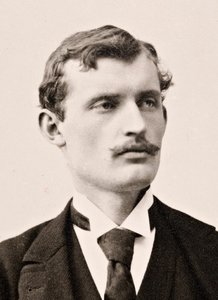
Edvard Munch
1863 - 1944 , Suecia
Datos clave
- Artistas Influenciados Por Este Artista: ['Expresionismo alemán']
- Artistas Que Influyeron:
- Paul Gauguin
- Vincent van Gogh
- Henri de Toulouse-Lautrec
- Fecha De Muerte: 23 de enero de 1944
- Fecha De Nacimiento: 12 de diciembre de 1863
- Lugar De Nacimiento: Adelsbruk, Suecia
- Movimiento Artístico: Expresionismo
- Nacionalidad: Noruego
- Nombre Completo: Edvard Munch
- Obras Notables:
- El Grito
- La Madonna
- El Niño Enfermo
- Melancolía I & II
Artículos relacionados

Figurative Expressionism: Mastering the Art of Raw Emotion and the Human Form
Explore the profound depth of Figurative Expressionism. From Edvard Munch to William H. Johnson, learn how masters use the human form to capture raw emotion through color and distortion in this expert art history guide.

Edvard Munch: Anxiety, Modernity & the Dawn of Expressionism
Explore the profound world of Edvard Munch, pioneer of Expressionism. Discover the origins of 'The Scream' & his haunting depictions of anxiety, mortality, and love. Expert analysis & high-quality reproductions at AllPaintingsStore.

The Raw Emotion of Expressionism: A Deep Dive into its History, Characteristics & Enduring Influence
Explore the raw emotion of Expressionism with AllPaintingsStore. Discover its history, key artists like Kirchner & Munch, and lasting influence on modern art. Expert insights for collectors & enthusiasts.

Dominando la Ansiedad: Las 25 Obras Más Icónicas de Edvard Munch
Explora las 25 obras maestras de Edvard Munch y el expresionismo. Descubre reproducciones de museo en AllPaintingsStore.com.

Expresionismo: 10 Obras Maestras que Revolucionaron el Arte |
Descubre las 10 obras maestras del Expresionismo que marcaron un hito en la historia del arte. Explora a Munch, Kirchner y Kandinsky en . Reproducciones de arte de museo para transformar tu hogar.