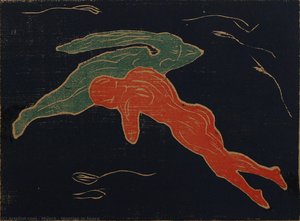
La vida y la identidad de Edvard Munch
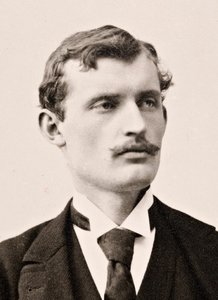
Edvard Munch fue un pintor noruego cuya vida estuvo profundamente ligada a los paisajes y a la atmósfera densa de su tierra natal. Nacido el 12 de diciembre de 1863, pasó gran parte de su existencia navegando las complejidades de la psique humana a través de su pincel y sus herramientas de grabado. Su obra a menudo se sentía como una extensión directa de sus propias luchas internas, transformando emociones privadas en algo visible y compartido. Se mantuvo como una presencia activa en el mundo del arte hasta su muerte, el 23 de enero de 1944.
Su capacidad para capturar los temblores de la existencia humana alcanzó su apogeo en 1893 con la creación de El Grito. Esta obra específica se ha convertido en una de las imágenes más aclamadas del arte occidental, reconocida mundialmente por su representación del pavor existencial. Mientras muchos artistas buscaban replicar el mundo físico, Munch estaba interesado en aquello que no puede verse, como la ansiedad y el peso de la soledad. Utilizó el color y la forma para dar cuerpo a las fuerzas invisibles que sacuden el espíritu humano.
A lo largo de su extensa carrera, produjo un vasto cuerpo de trabajo que abarcó diversos medios. Su producción incluyó:
Primeros Años, Familia y Formación
Edvard Munch nació en 1863 entre los austeros y desolados paisajes de Noruega. Su infancia estuvo marcada por un hogar donde la enfermedad era una compañera constante. En 1868, la muerte de su madre a causa de la tuberculosis supuso una pérdida que dejó una huella profunda en el pequeño Edvard. Este sentimiento de fragilidad se intensificó en 1877, cuando su hermana, Johanne Sophie, también sucumbió a la tuberculosis con apenas 15 años. Estos duelos tempranos significaron que las sombras de la mortalidad quedaron tejidas en la esencia misma de su vida cotidiana.
Su padre, Christian Munch, se desempeñaba como médico y oficial sanitario. Christian era un hombre de una intensa devoción religiosa, pero también luchaba contra un temperamento nervioso y obsesivamente espiritual. La atmósfera del hogar estaba a menudo cargada de una sensación de pavor. Al crecer en un entorno así, Edvard solía refugiarse en el dibujo para mantenerse ocupado durante los largos inviernos, cuando la enfermedad le impedía asistir a la escuela. Estas primeras experiencias de dolor y temor acabarían, inevitablemente, encontrando su camino hacia sus lienzos.
Para su formación académica, asistió a la Real Escuela de Arte y Diseño en Kristiania. Fue allí donde comenzó a desarrollar las habilidades técnicas que sostendrían sus futuras exploraciones de la psique humana. Su entrenamiento proporcionó los cimientos para una carrera dedicada a traducir la angustia interna en una forma visual tangible.
Los círculos bohemios de Kristiania
En las calles de Kristiania, el antiguo nombre de Oslo, Munch encontró una comunidad que desafiaba todo lo que se le había enseñado. Se movió entre los círculos bohemios de la ciudad, un grupo de personas que vivían al margen de las estrictas normas de la época. Entre ellos se encontraba el pintor naturalista Christian Krohg, quien formaba parte de este círculo progresista. Estos encuentros no eran meramente sociales; eran espacios donde se debatían y se vivían nuevas formas de percibir el mundo.
Fue a través de la influencia del nihilista Hans Jæger que el propio camino de Munch comenzó a transformarse. Jæger lo instó a alejarse de las pulcras tradiciones académicas de aquel entonces, alentando al artista a mirar hacia su interior y a plasmar su propio estado emocional y psicológico. Se trataba de una idea radical. En lugar de intentar capturar el mundo tal como se presentaba ante los demás, Munch comenzó a utilizar su lienzo para expresar las tormentas internas de su propia mente.
Viajes e Influencias en París y Berlín
Su tránsito por los epicentros del arte europeo permitió que Edvard Munch viera sus propios impulsos reflejados en la obra de otros maestros. En París, se encontró con las técnicas de artistas como Paul Gauguin y Vincent van Gogh. De ellos aprendió lecciones profundas, absorbiendo la manera en que utilizaban el color y la forma para trascender la mera representación visual. Su estancia en la ciudad también le permitió entrar en contacto con Henri de Toulouse-Lautrec. Estos encuentros fueron fundamentales para refinar una forma de mirar que priorizaba lo interno sobre lo externo.
Sin embargo, su paso por Berlín desplazó su enfoque hacia las capas más profundas y perturbadoras de la mente humana. Fue allí donde conoció al dramaturgo sueco August Strindberg. Estas conexiones con figuras como Strindberg impulsaron sus investigaciones hacia temas psicológicos de una intensidad abrumadora. Así, comenzó a utilizar su arte para explorar los temblores de la existencia humana, alejándose de las descripciones naturalistas para abrazar un estilo capaz de comunicar el peso agobiante del miedo y la ansiedad.
Técnica y Estilo de la Pintura del Alma
Edvard Munch no aspiraba a replicar el mundo físico tal como lo percibía el ojo humano. En su lugar, buscaba exteriorizar su estado interno, un método que él mismo denominó como la pintura del alma. A través de formas distorsionadas y líneas rítmicas, logró comunicar los temblores de la existencia humana, transformando la angustia psicológica en una forma visible y tangible. Su pincelada, a menudo, era un reflejo de la turbulencia de su propia mente, utilizando el color y la forma para traducir aquello que sentía, más que aquello que veía.
Este enfoque hacia lo íntimo lo llevó a experimentar extensamente con diversos medios. Fue un grabador sumamente activo, trabajando mediante la litografía, el xilografía y el aguafuerte para expandir su alcance artístico. Su rango técnico era vasto, abarcando procesos de calcografía como la aguatinta, el aguatinta al aguatinta, el aguatinta y el grabado en cobre. Estos métodos le permitieron superponer texturas y trazos que funcionaban como un espejo de la complejidad de la emoción humana.
- The Scream (1893)
- Madonna (1894)
- The Sick Child (hacia 1926)
La Franja de la Vida y sus Obras Maestras
Edvard Munch buscó capturar los ciclos recurrentes de la existencia humana a través de una serie de obras que denominó La Franja de la Vida. Esta colección se centró en los temas densos e ineludibles del amor, el miedo, la muerte y la ansiedad. Su objetivo no era una simple representación de la vida, sino más bien una exploración de las tormentas internas que la definen. Sus pinturas funcionaban a menudo como un medio para procesar el duelo y los temblores psicológicos que lo acompañaron desde su juventud.
Muchas de sus imágenes más reconocidas surgieron de estas luchas personales. Concibió El Grito mientras se encontraba en Kristiania, utilizando paisajes arremolinados y ardientes para representar una sensación de angustia existencial. En otras obras, dirigió su mirada hacia las complejidades de la conexión humana y la fragilidad de la vida. Madonna explora la intersección entre la sexualidad y la mortalidad, mientras que El niño enfermo permanece como un conmovedor recordatorio de la pérdida de su hermana, Sophie. Estas piezas reflejan a un hombre intentando dar sentido a las sombras que lo perseguían.
- El Grito (1893)
- Madonna (1894)
- El niño enfermo (hacia 1926)
- Pubertad (1894–95)
Años de madurez y muerte
Los últimos años de la vida de Edvard Munch estuvieron marcados por un cambio significativo en sus hábitos personales y en su entorno creativo. Tras sufrir un colapso mental en 1908, tomó la firme decisión de abandonar el consumo excesivo de alcohol. Este periodo de transformación lo alejó de las turbulentas escenas sociales que caracterizaron su juventud; en su lugar, dedicó sus años restantes a trabajar en la paz y la privacidad, encontrando un refugio tranquilo para continuar su práctica artística.
Su producción se mantuvo constante hasta el final de sus días. Para cuando falleció en 1944, había acumulado una vasta colección de 1006 pinturas. Mientras el mundo a su alrededor se enfrentaba a la inmensa agitación de la Segunda Guerra Mundial, la mayoría de sus obras sobrevivieron al conflicto, asegurando que su lenguaje visual permaneciera disponible para que las generaciones futuras pudieran estudiarlo y experimentarlo.
El Legado Duradero y su Influencia
La capacidad de Edvard Munch para confrontar los aspectos más sombríos de la condición humana ayudó a allanar el camino para el expresionismo alemán. Como pionero del expresionismo, se alejó de las reglas corteses del arte académico para encontrar una forma de manifestar las tormentas internas de la mente. Al traducir el malestar psicológico en una forma visual, transformó la manera en que los artistas se acercaban al lienzo. Su obra se convirtió en una piedra angular del movimiento modernista, desplazando el enfoque de lo que el ojo ve hacia aquello que el alma padece.
Su presencia se siente profundamente en la historia del arte noruego. Munch ayudó a definir una identidad nacional a través de su exploración de las experiencias humanas universales. La manera en que utilizó el color y las líneas distorsionadas para comunicar los temblores de la existencia dejó una huella que muchos artistas siguieron sus pasos. Su influencia se extendió mucho más allá de las fronteras de Noruega, afectando la percepción que el mundo moderno tiene sobre la ansiedad y el aislamiento.
- The Scream (1893)
- Madonna (1894)
- The Sick Child (c. 1926)
Dónde ver sus obras hoy en día
Para experimentar la inmensidad de la obra de su vida, es necesario viajar hasta Oslo, Noruega. El Museo Munch se erige como el principal guardián de su legado, albergando una vasta colección que abarca todo el espectro de su producción artística. Es un espacio donde la magnitud de su creación se vuelve tangible, ofreciendo una mirada profunda a los temas que exploró a lo largo de sus años de pintura y grabado.
Otras piezas de gran relevancia se encuentran en las principales instituciones de la ciudad. La Galería Nacional de Oslo custodia la versión de 1893 de El Grito, realizada en temple y crayón sobre cartón. Esta obra específica ofrece una textura y una sensación distintas en comparación con otras versiones. Asimismo, el Museo Nacional de Noruega alberga una versión de Madonna, lo que permite a los visitantes contemplar cómo el artista abordó un mismo sujeto a través de diferentes perspectivas.
- El Grito (1893) - Galería Nacional, Oslo
- Madonna - Museo Nacional de Noruega


 Ver más


 Cambiar a impresiones


 Para obras de arte o reproducciones que midan más de 105 cm (aproximadamente 41 pulgadas) en cualquiera de sus lados, el marco se enviará como un kit desmontado. Este método garantiza una entrega segura y evita daños durante el transporte.