


 Vista previa
 Compartir
 Compartir
 Ver detalles

 Descargar
 Ver similares
 Radiografía
 Presentación de diapositivas
Blynman Bridge


 Leer más
Giclée / Impresión de arte
Impresiones giclée o en lienzo de calidad de museo con producción rápida y opciones de acabado flexibles. ( Encargar reproducción pintada a mano Comprar descarga)




































Elija entre nuestros tamaños predefinidos que respetan las proporciones originales de la obra.

Puede introducir sus propias dimensiones para adaptarse a un marco o espacio específico. Si el tamaño seleccionado no coincide con las proporciones de la imagen original, recortaremos la obra de arte o extenderemos la imagen con un borde con efecto espejo o de color sólido. Se enviará una maqueta digital para su aprobación antes de que comience la producción.
Tenga en cuenta que la vista previa en pantalla no refleja el recorte o la extensión real. Solo la maqueta mostrará con precisión la composición final.
Aunque existen tamaños personalizados, recomendamos seleccionar una dimensión de la lista predefinida para preservar las proporciones originales.
Envío a todo el mundo () en 2 semanas en lugar de las 4/5 semanas estándar. (22 agosto)

Envío exprés gratuito a todo el mundo

Lienzo de lino de alta calidad

Seguro de envío completo

Garantía de reembolso de aranceles aduaneros

Garantía de fidelidad cromática exacta

Política de devolución de 60 días (solo por defectos)

Garantía de devolución del 100% del dinero

Oferta por volumen
 La opción de vidrio solo está disponible en tamaños inferiores a 110 cm.

Blynman Bridge
Giclée / Impresión de arte
Tamaño de la reproducción
-


Precio total
$ 64
Descripción de la pieza
A Portrait of Urban Quietude: Exploring Edward Hopper’s “Blynman Bridge”
Edward Hopper's "Blynman Bridge," painted in 1923, isn’t merely a depiction of an industrial landscape; it’s a masterful distillation of the anxieties and subtle beauties inherent in modern American experience. Completed during Hopper’s formative years as a painter—a period marked by experimentation with watercolor and a burgeoning fascination for capturing fleeting moments of solitude—the canvas embodies his signature style: precise realism tempered with an unsettling stillness that lingers long after the viewer departs.Composition and Perspective
The painting's visual impact begins immediately with its carefully considered perspective. Hopper eschews dramatic vistas or sweeping panoramas, opting instead for a viewpoint slightly elevated above the bridge itself. This vantage point draws the eye downwards, emphasizing the dominant architectural elements—the two imposing arches of Blynman Bridge—which dominate the composition and serve as anchors for the surrounding structures. Diagonal lines created by the grassy slope leading up to one building inject dynamism into what might otherwise feel like a static tableau. Hopper’s deliberate framing contributes significantly to the painting's mood, fostering a sense of observation rather than engagement.Watercolor Technique: Softness and Atmosphere
Hopper’s masterful use of watercolor is crucial to conveying the artwork’s emotional resonance. Rather than striving for vibrant color palettes or bold brushstrokes—a stylistic preference common in his contemporaries—he employs a muted palette dominated by shades of grey, blue, green, and brown. Watercolor allows for subtle gradations of tone and washes of color that mimic the diffused light characteristic of overcast days, mirroring the pervasive atmosphere of quiet contemplation. The artist achieves remarkable textural effects through layering thin washes of pigment, creating soft surfaces that evoke the tactile qualities of weathered stone and damp foliage. This technique isn’t simply about accurate representation; it's about capturing a feeling—a palpable sense of melancholy and introspection.Historical Context: The Rise of Industrial America
“Blynman Bridge” emerges from the crucible of the Roaring Twenties, a period marked by rapid industrial expansion and burgeoning urbanization in America. Hopper’s depiction reflects the anxieties of this era – the growing isolation felt amidst crowds, the alienation experienced within increasingly impersonal environments. The bridge itself symbolizes the connective tissue of modern life, yet Hopper presents it as a barrier rather than a facilitator of connection, reinforcing the painting's overarching theme of solitude. It speaks to a broader cultural preoccupation with capturing the unspoken realities of everyday existence—a fascination that would define Hopper’s oeuvre throughout his career.Symbolism and Emotional Impact
Beyond its formal elements, “Blynman Bridge” resonates on an emotional level. The solitary figure seated at the table – seemingly oblivious to the passing train – embodies the pervasive sense of detachment prevalent in Hopper's vision of American society. This figure is not actively engaged; he simply observes—a posture that suggests both vulnerability and resilience. The muted colors contribute to a contemplative mood, inviting viewers to ponder themes of loneliness, contemplation, and the passage of time. Ultimately, Hopper’s masterpiece transcends mere visual representation, offering a profound meditation on the human condition within the context of an evolving world.A Legacy of Quiet Reflection
Edward Hopper's "Blynman Bridge" continues to captivate audiences today precisely because it speaks to universal experiences—the yearning for connection amidst isolation, the beauty found in quiet observation. Its understated elegance and masterful technique solidify its place as a cornerstone of American Modernism, demonstrating Hopper’s enduring ability to distill complex emotions into deceptively simple compositions. It serves as an invitation to pause, to consider, and to appreciate the subtle nuances of human existence—a timeless reminder that profound beauty can reside in moments of quiet solitude.Obras relacionadas


Biografía del artista
**vida temprana e influencias**
edward hopper, un destacado pintor y grabador realista estadounidense, nació el 22 de julio de 1882 en Upper Nyack, Nueva York. Su familia, de ascendencia mayoritariamente holandesa, proporcionó una crianza cómoda que le permitió perseguir sus inclinaciones artísticas desde temprana edad. - **inspiraciones:** La obra de Hopper fue influenciada por las escrituras de Ralph Waldo Emerson y los maestros impresionistas franceses Édouard Manet y Edgar Degas. - **formación inicial:** Comenzó estudios de arte con un curso por correspondencia en 1899, posteriormente transfiriéndose a la Escuela de Arte y Diseño de Nueva York.**estilo artístico y temas**
edward hopper's representaciones cuidadosas y con un diseño preciso reflejaban su visión personal de la vida moderna estadounidense. Su obra se puede caracterizar por: - **escenas urbanas y rurales:** Ambos entornos fueron retratados con una mezcla única de realismo y profundidad emocional. - **iluminación:** Un dominio de la luz, a menudo utilizada para evocar sentimientos de aislamiento o contemplación. - **figuras:** A menudo sin rostro o en segundo plano, enfatizando al entorno sobre las figuras.**obras notables y su significado**
- House by the Railroad (Museo de Arte Moderno, Nueva York, Estados Unidos), un ejemplo de la capacidad de Hopper para evocar una sensación de melancolía a través de una composición simple pero poderosa. - Reclining Nude (50 x 35 cm, Nuevo Realismo, acuarela), que muestra su versatilidad para capturar la forma humana.**legado e influencia**
- **influencia en artistas futuros:** El estilo único de Hopper ha influido a numerosos artistas, incluyendo Pierre Sanford Ross, conocido por sus escenas urbanas y rurales. - **popularidad perdurable:** Sus obras continúan cautivando al público con sus temas atemporales de soledad y la condición humana.**explora más en AllPaintingsStore**
- [https://AllPaintingsStore.com/@/edward-hopper](obras de Edward Hopper) - /es/art/show/art-8xyffg-es/compra arte inspirado por los maestros)- Profundiza en el mundo del arte con la extensa colección de AllPaintingsStore.
- Descubre cómo el legado de Edward Hopper continúa inspirando a artistas y amantes del arte.
**referencias**
- [https://AllPaintingsStore.com/@/edward-hopper](Wikipedia: Edward Hopper) - [https://en.wikipedia.org/wiki/edward_hopper](Wikipedia: Biografía de Edward Hopper)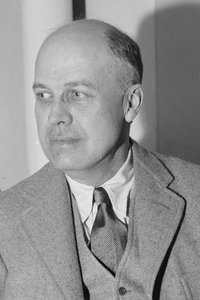
Edward Hopper
1931 - 1967 , Estados Unidos de América
Datos clave
- Artistas Influenciados: ['Pierre Sanford Ross']
- Artistas Que Influyeron:
- Ralph Waldo Emerson
- Édouard Manet
- Edgar Degas
- Fecha De Muerte: 1967
- Fecha De Nacimiento: 22 de julio de 1882
- Lugar De Nacimiento: Upper Nyack, EE. UU.
- Movimiento Artístico: Realismo americano
- Nacionalidad: Estadounidense
- Nombre Completo: Edward Hopper
- Obras Notables:
- House by the Railroad
- Reclining Nude
- Nighthawks
- Gas
- Chop Suey
Artículos relacionados

Edward Hopper: Las 25 Obras Maestras que Definen la Soledad Moderna | AllPaintingsStore
Descubre las 25 obras maestras de Edward Hopper, el pintor de la soledad moderna. Explora su realismo americano, luz y sombra, e icónicas escenas urbanas. Reproducciones de arte en AllPaintingsStore.com para decorar tu hogar con estilo.

Acuarelas Legendarias: 10 Obras Maestras que Transformaron el Arte | AllPaintingsStore
Descubre 10 acuarelas legendarias de Turner, Monet y Sargent que revolucionaron el arte. Explora la historia, técnica y belleza de estas obras maestras impresionistas y románticas. Reproducciones de museo en AllPaintingsStore.com.

Ephemeral Visions: Exploring the Artistic Legacy & Contemporary Practice of Watercolor Painting
Explore the captivating world of watercolor painting! Discover its rich history, essential techniques, influential artists & collecting tips. A comprehensive guide for art enthusiasts from AllPaintingsStore.

Visiones Efímeras: Historia y Resonancia Emocional de la Pintura Acuarela
Descubre la fascinante historia de la acuarela, desde sus orígenes hasta su expresión contemporánea. Explora técnicas, artistas clave como Paul Klee y encuentra reproducciones de alta calidad en AllPaintingsStore.

Ephemeral Visions: Exploring the Artistic Legacy & Nuances of Watercolor Painting
Explore the captivating world of watercolor painting! Discover its rich history, essential techniques, influential artists & collecting tips from art experts. A comprehensive guide for enthusiasts.


