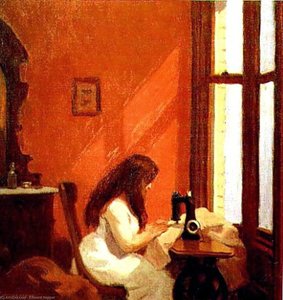
Vista previa
 Compartir
 Compartir
 Ver detalles

 Descargar
 Ver similares
 Radiografía
 Presentación de diapositivas
Toward Boston


 Leer más
Giclée / Impresión de arte
Impresiones giclée o en lienzo de calidad de museo con producción rápida y opciones de acabado flexibles. ( Cambiar a pintura hecha a mano Cambiar a imagen)




P118B $10

P118H $10

P118W $10

P438Z $10

P508JH $12

P508YH $12

P805H $10

P805Z $10

P919BZ $10

P919G $10

P919XJ $10

P959ZH $10

P968JZ $12

W106C $8

W218G $10

W218JH $8

W218Y $10

W307PJ $10

W316G $10

W316PJ $8

W316Y $10

W398PJ $8

W4111J $10

W500HY $15

W500JH $15

W692G $12

W849H $8

W940BG $15

W953PJ $8




Elija entre nuestros tamaños predefinidos que respetan las proporciones originales de la obra.

Puede introducir sus propias dimensiones para adaptarse a un marco o espacio específico. Si el tamaño seleccionado no coincide con las proporciones de la imagen original, recortaremos la obra de arte o extenderemos la imagen con un borde con efecto espejo o de color sólido. Se enviará una maqueta digital para su aprobación antes de que comience la producción.
Tenga en cuenta que la vista previa en pantalla no refleja el recorte o la extensión real. Solo la maqueta mostrará con precisión la composición final.
Aunque existen tamaños personalizados, recomendamos seleccionar una dimensión de la lista predefinida para preservar las proporciones originales.
Envío a todo el mundo () en 2 semanas en lugar de las 4/5 semanas estándar. (5 agosto)

Envío exprés gratuito a todo el mundo

Lienzo de lino de alta calidad

Seguro de envío completo

Garantía de reembolso de aranceles aduaneros

Garantía de fidelidad cromática exacta

Política de devolución de 60 días (solo por defectos)

Garantía de devolución del 100% del dinero

Oferta por volumen
 La opción de vidrio solo está disponible en tamaños inferiores a 110 cm.

Toward Boston
Giclée / Impresión de arte
Tamaño de la reproducción
-


Precio total
$ 64
Descripción de la pieza
Toward Boston: A Study in Quietude and Urban Reflection
Edward Hopper’s “Toward Boston” isn't merely a depiction of a train station; it’s a distilled essence of the American experience during its mid-century period—a moment characterized by both burgeoning optimism and pervasive unease. Painted sometime between 1930 and 1931, this watercolor captures a scene brimming with understated tension, inviting viewers to contemplate themes of solitude, displacement, and the unspoken narratives simmering beneath the surface of everyday life.- Subject Matter: The artwork centers around a bustling train station interior—a common motif in Hopper’s oeuvre—featuring a single platform, illuminated by warm yellow light emanating from an adjacent building. A lone man stands near the edge of the platform, gazing out into the distance, while another figure sits quietly on a bench, seemingly lost in thought. The presence of a dog adds a touch of domesticity to this otherwise sterile environment.
- Style: Hopper’s signature style—characterized by geometric precision and flattened perspective—is evident throughout “Toward Boston.” Lines are crisp and deliberate, creating a sense of rigidity that contrasts sharply with the softness of watercolor pigment. This stylistic choice reinforces the painting's emotional core: an impression of detachment and isolation.
- Technique: Hopper meticulously employed watercolor techniques to achieve his desired effect. Watercolor allows for subtle gradations of tone and color, capturing the nuances of light and shadow—elements crucial to conveying mood and atmosphere. The artist’s careful layering of washes builds depth without resorting to dramatic chiaroscuro, maintaining a contemplative stillness.
Historical Context: The Shadow of Depression Era America
“Toward Boston” emerged during the Great Depression, a period marked by economic hardship and social anxieties. Hopper’s depiction of urban solitude speaks directly to this era's pervasive feeling of disillusionment—a reaction to shattered dreams and a yearning for connection amidst overwhelming circumstance. The painting reflects the psychological landscape of its time, portraying individuals grappling with existential questions in the face of an impersonal world.Symbolism: Light, Absence, and the Quest for Connection
The dominant yellow light from the building serves as a potent symbol—representing both warmth and artificiality. It illuminates the figures but fails to penetrate their inner lives, highlighting their emotional distance from one another. The man’s gaze toward the horizon embodies a desire for escape or perhaps simply acknowledgement of the vastness of existence. Simultaneously, the quiet stillness of the bench suggests contemplation and introspection – an invitation for viewers to consider their own experiences of loneliness and longing.Emotional Impact: A Resonance of Quiet Melancholy
Ultimately, “Toward Boston” succeeds in evoking a profound emotional response—a feeling of melancholy that lingers long after viewing. Hopper’s masterful use of watercolor captures the subtle beauty of understated emotion, conveying a sense of quiet contemplation and unspoken sorrow. It's a painting that invites viewers to confront their own vulnerabilities and appreciate the power of visual art to communicate complex psychological states. This piece remains an enduring testament to Hopper’s ability to distill the essence of human experience into unforgettable images.Obras relacionadas


Biografía del artista
**vida temprana e influencias**
edward hopper, un destacado pintor y grabador realista estadounidense, nació el 22 de julio de 1882 en Upper Nyack, Nueva York. Su familia, de ascendencia mayoritariamente holandesa, proporcionó una crianza cómoda que le permitió perseguir sus inclinaciones artísticas desde temprana edad. - **inspiraciones:** La obra de Hopper fue influenciada por las escrituras de Ralph Waldo Emerson y los maestros impresionistas franceses Édouard Manet y Edgar Degas. - **formación inicial:** Comenzó estudios de arte con un curso por correspondencia en 1899, posteriormente transfiriéndose a la Escuela de Arte y Diseño de Nueva York.**estilo artístico y temas**
edward hopper's representaciones cuidadosas y con un diseño preciso reflejaban su visión personal de la vida moderna estadounidense. Su obra se puede caracterizar por: - **escenas urbanas y rurales:** Ambos entornos fueron retratados con una mezcla única de realismo y profundidad emocional. - **iluminación:** Un dominio de la luz, a menudo utilizada para evocar sentimientos de aislamiento o contemplación. - **figuras:** A menudo sin rostro o en segundo plano, enfatizando al entorno sobre las figuras.**obras notables y su significado**
- House by the Railroad (Museo de Arte Moderno, Nueva York, Estados Unidos), un ejemplo de la capacidad de Hopper para evocar una sensación de melancolía a través de una composición simple pero poderosa. - Reclining Nude (50 x 35 cm, Nuevo Realismo, acuarela), que muestra su versatilidad para capturar la forma humana.**legado e influencia**
- **influencia en artistas futuros:** El estilo único de Hopper ha influido a numerosos artistas, incluyendo Pierre Sanford Ross, conocido por sus escenas urbanas y rurales. - **popularidad perdurable:** Sus obras continúan cautivando al público con sus temas atemporales de soledad y la condición humana.**explora más en AllPaintingsStore**
- [https://AllPaintingsStore.com/@/edward-hopper](obras de Edward Hopper) - /es/art/show/art-8xyffg-es/compra arte inspirado por los maestros)- Profundiza en el mundo del arte con la extensa colección de AllPaintingsStore.
- Descubre cómo el legado de Edward Hopper continúa inspirando a artistas y amantes del arte.
**referencias**
- [https://AllPaintingsStore.com/@/edward-hopper](Wikipedia: Edward Hopper) - [https://en.wikipedia.org/wiki/edward_hopper](Wikipedia: Biografía de Edward Hopper)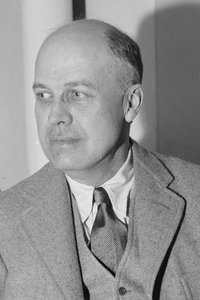
Edward Hopper
1931 - 1967 , Estados Unidos de América
Datos clave
- Artistas Influenciados: ['Pierre Sanford Ross']
- Artistas Que Influyeron:
- Ralph Waldo Emerson
- Édouard Manet
- Edgar Degas
- Fecha De Muerte: 1967
- Fecha De Nacimiento: 22 de julio de 1882
- Lugar De Nacimiento: Upper Nyack, EE. UU.
- Movimiento Artístico: Realismo americano
- Nacionalidad: Estadounidense
- Nombre Completo: Edward Hopper
- Obras Notables:
- House by the Railroad
- Reclining Nude
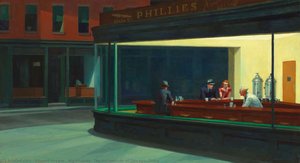
- Nighthawks
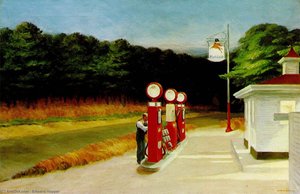
- Gas
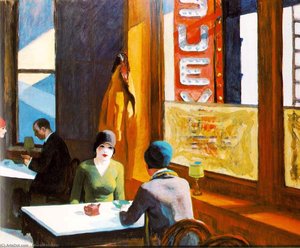
- Chop Suey
Artículos relacionados

Concrete Visions: Exploring the Urban Landscape in Painting – From Realism to Contemporary Art
Explore the evolution of cityscape painting from Realism to contemporary art with AllPaintingsStore. Discover key artists & invest in timeless urban visions. Expert guidance, museum-quality reproductions.

Edward Hopper: Las 25 Obras Maestras que Definen la Soledad Moderna | AllPaintingsStore
Descubre las 25 obras maestras de Edward Hopper, el pintor de la soledad moderna. Explora su realismo americano, luz y sombra, e icónicas escenas urbanas. Reproducciones de arte en AllPaintingsStore.com para decorar tu hogar con estilo.

Edward Hopper: American Realism, Urban Isolation & the Poetics of Modern Loneliness
Explore the profound world of Edward Hopper's American realism. Discover the symbolism, themes & enduring legacy of this iconic artist – from 'Nighthawks' to his lesser-known masterpieces. Expert analysis and insights.

¿Invertir en Arte Hoy? Tendencias del Mercado y Opciones para Coleccionistas Exigentes
Descubre el mundo del arte con . Encuentra cuadros originales, encarga obras personalizadas y recibe asesoramiento experto para coleccionistas. ¡Invierte en arte de confianza!

Katsushika Hokusai: Las 25 Obras Maestras del Ukiyo-e que Transformaron el Arte Japonés | AllPaintingsStore
Descubre las 25 obras maestras de Katsushika Hokusai, el genio del ukiyo-e. Explora 'La Gran Ola', paisajes japoneses y su impacto en el arte moderno. Reproducciones de alta calidad para tu hogar en AllPaintingsStore.com.