Vista previa
 Compartir
 Compartir
 Ver detalles

 Descargar
 Ver similares
 Radiografía
 Presentación de diapositivas
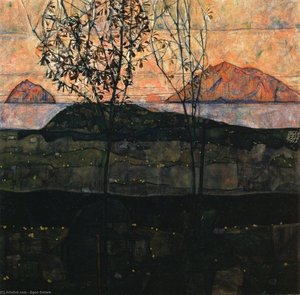
untitled (4669)

 Leer más
Reproducción al óleo hecha a mano
Óleo sobre lienzo pintado a mano en el tamaño y marco de su elección, realizado por encargo por nuestros artistas. ( Pedir impresión Comprar descarga)




P118B $10

P118H $10

P118W $10

P438Z $10

P508JH $12

P508YH $12

P805H $10

P805Z $10

P919BZ $10

P919G $10

P919XJ $10

P959ZH $10

P968JZ $12

W106C $8

W218G $10

W218JH $8

W218Y $10

W307PJ $10

W316G $10

W316PJ $8

W316Y $10

W398PJ $8

W4111J $10

W500HY $15

W500JH $15

W692G $12

W849H $8

W940BG $15

W953PJ $8




Elija entre nuestros tamaños predefinidos que respetan las proporciones originales de la obra.

Puede ingresar sus propias dimensiones para adaptarse a un marco o espacio específico. Si el tamaño seleccionado no coincide con las proporciones de la imagen original, recortaremos la obra o extenderemos la pintura con elementos adicionales pintados a mano. Se le enviará una maqueta digital para su aprobación antes de comenzar la producción.
Tenga en cuenta que la vista previa en pantalla no refleja el recorte o la extensión reales. Solo la maqueta mostrará con precisión la composición final.
Si bien existen tamaños personalizados, recomendamos seleccionar una dimensión de la lista predefinida para preservar las proporciones originales.
Tras realizar el pedido, el equipo de AllPaintingsStore.com enviará un correo electrónico al cliente para solicitar instrucciones y proporcionarle una vista previa del boceto.
Envío a todo el mundo () en 3-4 semanas en lugar de las 5 semanas estándar. (19 agosto). Sin comprometer la calidad.

Envío exprés gratuito a todo el mundo

Lienzo de lino de alta calidad

Seguro de envío completo

Garantía de reembolso de aranceles aduaneros

Garantía de fidelidad cromática exacta

Política de devolución de 60 días (solo por defectos)

Garantía de devolución del 100% del dinero

Oferta por volumen
 La opción de vidrio solo está disponible en tamaños inferiores a 110 cm.

untitled (4669)
Técnica de reproducción
Tamaño de la reproducción
-


Precio total
$ 258
Descripción de la obra
A Portrait of Raw Emotion: Unpacking Egon Schiele's "Untitled (4669)"
Egon Schiele’s “Untitled (4669),” a haunting and intensely personal work, plunges the viewer into a world of psychological turmoil and unsettling beauty. Painted in 1918, just months before his untimely death at the age of 28, this piece exemplifies the artist's signature Expressionist style – a deliberate rejection of academic realism in favor of conveying inner experience through distorted forms, jarring colors, and an almost palpable sense of anxiety. The image depicts a woman seated on the ground, her legs flung wide open in a pose that simultaneously suggests vulnerability and defiant sexuality. Her nudity isn’t merely anatomical; it feels like a stripping away of defenses, exposing a raw core beneath.
The background—a stark, almost brutal wall constructed from what appears to be stone or concrete—amplifies the sense of isolation and confinement. It's a deliberately unyielding space, mirroring perhaps the emotional landscape of the figure within. Scrawled across the upper portion of the canvas are markings, likely Schiele’s signature or possibly annotations, adding another layer of mystery and hinting at the artist’s obsessive process. The overall composition feels claustrophobic, drawing us into a private, intensely felt moment.
The Shadow of Loss and Mortality
To understand “Untitled (4669),” one must delve into Schiele's biography, marked as it was by profound loss and illness. Born in 1890, he experienced the early deaths of his sister Elvira and his father, Adolf, both victims of syphilis – a disease that cast a long, dark shadow over his family’s history. His father’s descent into madness and subsequent death profoundly impacted Schiele's artistic vision, fueling an enduring preoccupation with mortality, decay, and the fragility of human existence. This isn’t simply a depiction of nudity; it’s a visual embodiment of grief, trauma, and the inescapable awareness of one’s own vulnerability.
The influence of Gustav Klimt, a more established figure in Viennese art, is also evident, though Schiele quickly forged his own distinct path. Klimt's decorative style contrasts sharply with Schiele’s raw, almost violent approach to line and form. While Klimt sought beauty through elegant surfaces, Schiele aimed to expose the unsettling truths beneath – the anxieties, fears, and desires that lurk within the human psyche.
Expressionist Techniques: Line, Color, and Distortion
Schiele’s masterful use of line is central to the painting's power. The lines are not smooth or graceful; they are jagged, restless, and often seem to vibrate with energy. He employs a technique known as “line drawing,” where the emphasis is on the act of drawing itself, rather than creating a realistic representation. This contributes to the feeling of immediacy and emotional intensity. The color palette is deliberately muted – predominantly browns, grays, and ochres—further enhancing the somber mood.
The figure’s body is rendered with deliberate distortion, exaggerating proportions and emphasizing curves. This isn't about anatomical accuracy; it’s about conveying a sense of unease and psychological tension. The pose itself – legs spread wide – can be interpreted as both an invitation and a surrender, a defiant assertion of self in the face of overwhelming emotion.
A Window into the Soul
“Untitled (4669)” is more than just a painting; it’s a visceral expression of human experience. It invites us to confront uncomfortable truths about mortality, sexuality, and the complexities of the inner self. Schiele's work continues to resonate with viewers today because it taps into universal emotions – fear, vulnerability, and the yearning for connection—with an honesty and intensity rarely seen in art. A reproduction of this powerful piece offers a unique opportunity to bring this profound exploration of the human psyche into your home or studio.
Obras relacionadas


Biografía del artista
Egon Schiele: Vida y Legado
Primeros Años e Influencias
- Nacido el 12 de junio de 1890 en Tulln an der Donau, Baja Austria, Egon Schiele experimentó una infancia moldeada tanto por la inclinación artística como por las dificultades personales.
- Su padre, Adolf Schiele, era jefe de estación, instando en el joven Egon una fascinación por los trenes – un motivo que aparecería sutilmente más tarde en su obra.
- El temprana fallecimiento de su padre a causa de sífilis cuando Schiele tenía 14 años lo impactó profundamente, llevando a su crianza por parte de su tío materno, Leopold Czihaczek.
- Czihaczek brindó apoyo pero también ejerció una influencia controladora, que contribuyó al complejo paisaje emocional reflejado en el arte de Schiele.
Trayectoria Artística y Desarrollo
- La formación artística de Schiele comenzó en la Kunstgewerbeschule (Escuela de Artes y Oficios) en Viena, pero pronto se trasladó a la Akademie der bildenden Künste (Academia de Bellas Artes).
- Pronto se sintió decepcionado con el enfoque conservador de la Academia, encontrándola sofocante para su visión expresiva. Finalmente, abandonó la formación formal.
- Las influencias tempranas incluyeron a Gustav Klimt, una figura destacada en la Sezión Vienesa, cuyo estilo decorativo y exploración del simbolismo resonaron con Schiele. Sin embargo, Schiele pronto desarrolló un estilo distintivamente individual.
- Sus primeras obras a menudo presentaban retratos y autorretratos inquietantes, caracterizados por figuras distorsionadas y una intensa emotividad.
Características y Temas Clave
- El arte de Schiele es reconocido por su honestidad cruda y profundidad psicológica. Exploró sin miedo temas de sexualidad, muerte, ansiedad e aislamiento.
- Su estilo distintivo presenta figuras alargadas, poses contorsionadas y líneas expresivas que transmiten una sensación de vulnerabilidad y tormento emocional.
- Autorretratos constituyen una parte significativa de su obra, ofreciendo atisbos íntimos en su mundo interior.
- También creó numerosos retratos de otros, a menudo representando a las personas con un realismo sin tapujos e insight psicológico.
- La pintura de paisajes jugó un papel en su trabajo, demostrando su dominio de la forma y el color, aunque fue menos central que sus obras figurativas.
Logros Importantes y Reconocimiento
- A pesar de enfrentar censura y desafíos legales (incluyendo una breve prisión por supuestamente corromper a menores con su arte), Schiele ganó reconocimiento en los círculos vanguardistas de Viena.
- Co-fundó el Neues Wiener Kunstgruppe (Nuevo Grupo de Arte Vienés) en 1909, mostrando su obra junto con otros artistas progresistas.
- Obras significativas incluyen Autorretrato con Physalis, Pareja Abraza y Paisaje de Campo (Kreuzberg cerca de Krumau).
- Para el tiempo de su prematura muerte, Schiele se había establecido como una figura destacada en el Expresionismo Austríaco.
Significado Histórico y Legado
- Egon Schiele murió en 1918 durante la pandemia de gripe española a los 28 años, truncando una prometedora carrera.
- Su obra influyó profundamente en las generaciones posteriores de artistas, particularmente aquellos interesados en explorar temas psicológicos y desafiar las normas artísticas convencionales.
- El enfoque audaz de Schiele en la forma y el tema sigue resonando con el público actual, convirtiéndolo en una de las figuras más importantes e influyentes del arte del siglo XX temprano.
- Sus pinturas se conservan ahora en importantes colecciones de museos en todo el mundo, y las reproducciones de su obra están ampliamente disponibles, asegurando que su legado artístico perdure.
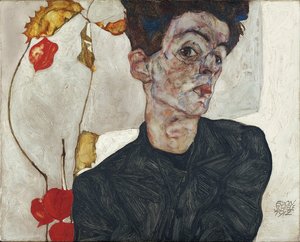
Egon Schiele
1890 - 1918 , Croacia
Datos clave
- Artistas Que Influyeron: ['Gustav Klimt']
- Fecha De Muerte: 1918
- Fecha De Nacimiento: 12 de junio de 1890
- Influenciado A Artistas: ['Generaciones posteriores']
- Lugar De Nacimiento: Viena, Croacia
- Movimiento Artístico: Expresionismo
- Nacionalidad: Austriaco
- Nombre Completo: Egon Schiele
- Obras Notables:
- Autorretrato con Physalis
- Pareja Abraza
- Paisaje de Campo (Kreuzberg)
Artículos relacionados
Egon Schiele: Las 25 Obras Maestras que Definen su Genio | AllPaintingsStore
Descubre las 25 obras maestras de Egon Schiele, el expresionismo austriaco en su máxima expresión. Explora la historia, técnica y emociones detrás de cada pintura. Reproducciones de arte exclusivas en AllPaintingsStore.com. ¡Explora la colección completa online!

Egon Schiele: Expressionism, Anxiety & the Modern Condition – A Comprehensive Exploration
Explore the emotionally charged world of Egon Schiele (1890-1918). Discover his Expressionist masterpieces, psychological themes, and lasting impact on modern art. A comprehensive guide for collectors & enthusiasts.

Expresionismo: 10 Obras Maestras que Revolucionaron el Arte |
Descubre las 10 obras maestras del Expresionismo que marcaron un hito en la historia del arte. Explora a Munch, Kirchner y Kandinsky en . Reproducciones de arte de museo para transformar tu hogar.
Expresionismo Pictórico: 10 Obras Maestras que Definieron un Movimiento Revolucionario | AllPaintingsStore
Descubre las 10 obras maestras del expresionismo que revolucionaron el arte moderno. Explora la historia de Munch, Kirchner, Kandinsky y más. Reproducciones de alta calidad para decorar tu hogar con emoción y estilo en AllPaintingsStore.com.

Cubismo Expresionista: 10 Obras Maestras que Transformaron el Arte | AllPaintingsStore
Descubre las 10 obras maestras del Cubismo Expresionista con AllPaintingsStore. Explora la historia de Picasso, Braque y otros artistas clave. Encuentra reproducciones de arte exclusivas para transformar tu hogar. ¡Explora la colección completa en AllPaintingsStore.com!