

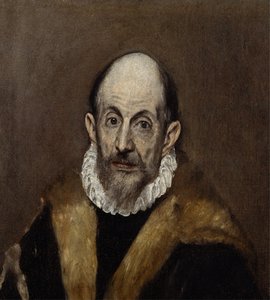
1610. Acrílico sobre lienzo, 70.0 x 62.0 cm. Museo del Prado.

§ 1Datos del catálogo

- 70.0 x 62.0 cm


§ 2Abstracto
Descripción del objeto
El retrato de Jerónimo de Cevallos por El Greco (1613) destaca la maestría del pintor griego en el Museo Nacional del Prado, España. Una obra clave del Barroco español que refleja innovación y simbolismo religioso.
 Ver más
Biografía del artista
El estilo manierista de El Greco brilla en El entierro del conde de Orgaz. Descubra sus obras maestras espirituales y dramáticas hoy mismo.
§ 3Comentario
El Greco: A Master of Dramatic Expression
Doménikos Theotokópoulos, universally known as El Greco (meaning “the Greek”), stands as one of the most singular figures in the history of Western art. His paintings transcended the boundaries of Renaissance and Baroque aesthetics, forging a profoundly personal style that continues to fascinate scholars and artists alike. This distinctive approach—characterized by elongated figures, vibrant colors, and an intense emotional resonance—established El Greco as an iconoclastic innovator who challenged conventional artistic norms.The Painting: Jerónimo de Cevallos
“Jerónimo de Cevallos” is a captivating portrait executed in 1613 by El Greco during his final years in Toledo, Spain. Measuring 70 x 62 cm and housed at the Museo del Prado, this oil on canvas masterpiece exemplifies El Greco’s signature style—a masterful blend of Byzantine influences with Venetian Mannerism.
- Subject Matter: The portrait depicts Jerónimo de Cevallos, a distinguished jurist renowned for his legal scholarship and advocacy.
- Composition: The artist skillfully employs a dark background to heighten the dramatic impact of the subject’s figure, creating a striking contrast that emphasizes his presence.
- Technique: El Greco's meticulous brushwork—particularly evident in the rendering of the face and beard—demonstrates an unparalleled command of technique.
- Color Palette: The painting utilizes a rich color palette dominated by deep reds, browns, and whites, conveying solemnity and dignity.
El Greco's Artistic Significance
El Greco’s artistic vision was rooted in Byzantine iconography, yet he embraced the dynamism of Venetian Renaissance art. This fusion resulted in an expressive style marked by tortuously elongated figures—a deliberate departure from anatomical realism—and a penchant for fantastical pigmentation that infused his canvases with otherworldly luminescence.
Historical Context and Legacy
Created during El Greco’s Toledo period, “Jerónimo de Cevallos” reflects the spiritual fervor of the time. The Museo del Prado, established in Madrid in 1819, serves as a testament to Spain's artistic heritage, safeguarding masterpieces like this one—a beacon of Renaissance and Mannerist innovation.
El Greco’s influence extends far beyond his own lifetime, inspiring generations of artists who sought to capture the essence of human emotion with unparalleled boldness. Reproductions of “Jerónimo de Cevallos” continue to adorn homes and galleries worldwide, perpetuating El Greco's legacy as a visionary artist whose work transcends temporal boundaries.
Preguntas y respuestas
¿Cuál es la atmósfera general de "Jerónimo de Cevallos" de El Greco?
"Jerónimo de Cevallos" transmite una atmósfera Dramático.
¿En qué estancia encaja mejor "Jerónimo de Cevallos" de El Greco, considerando su paleta de colores?
Debido a su paleta de colores Tonos tierra, se recomienda "Jerónimo de Cevallos" para un/a Salón principal.
¿Qué emoción transmite "Jerónimo de Cevallos" de El Greco?
"Jerónimo de Cevallos" se asocia con un sentimiento Misterioso. El tono emocional describe la impresión que transmite la obra.


 Cambiar a impresiones


 Para obras de arte o reproducciones que midan más de 105 cm (aproximadamente 41 pulgadas) en cualquiera de sus lados, el marco se enviará como un kit desmontado. Este método garantiza una entrega segura y evita daños durante el transporte.


