


 Vista previa
 Compartir
 Compartir
 Ver detalles
 Guía
Guía

 Descargar
 Ver artículos similares
 Radiografía
 Presentación de diapositivas
 Estadísticas
St. Jerome Penitent
 Oil On Canvas
- WallArt
- Baroque Religious Painting
 1614
1614- Late Medieval
 166.0 x 110.0 cm
 Leer más
Reproducción al óleo hecha a mano
Óleo sobre lienzo pintado a mano en el tamaño y marco de su elección, realizado por encargo por nuestros artistas. ( Cambiar a formato impreso Ver versión en imagen digital)




P118B $10

P118H $10

P118W $10

P438Z $10

P508JH $12

P508YH $12

P805H $10

P805Z $10

P919BZ $10

P919G $10

P919XJ $10

P959ZH $10

P968JZ $12

W106C $8

W218G $10

W218JH $8

W218Y $10

W307PJ $10

W316G $10

W316PJ $8

W316Y $10

W398PJ $8

W4111J $10

W500HY $15

W500JH $15

W692G $12

W849H $8

W940BG $15

W953PJ $8




Elija entre nuestros tamaños predefinidos que respetan las proporciones originales de la obra.

Puede ingresar sus propias dimensiones para adaptarse a un marco o espacio específico. Si el tamaño seleccionado no coincide con las proporciones de la imagen original, recortaremos la obra o extenderemos la pintura con elementos adicionales pintados a mano. Se le enviará una maqueta digital para su aprobación antes de comenzar la producción.
Tenga en cuenta que la vista previa en pantalla no refleja el recorte o la extensión reales. Solo la maqueta mostrará con precisión la composición final.
Si bien existen tamaños personalizados, recomendamos seleccionar una dimensión de la lista predefinida para preservar las proporciones originales.
Tras realizar el pedido, el equipo de AllPaintingsStore.com enviará un correo electrónico al cliente para solicitar instrucciones y proporcionarle una vista previa del boceto.
Envío a todo el mundo () en 3-4 semanas en lugar de las 5 semanas estándar. (25 septiembre). Sin comprometer la calidad.

Envío exprés gratuito a todo el mundo

Lienzo de lino de alta calidad

Seguro de envío completo

Garantía de reembolso de impuestos aduaneros

Garantía de fidelidad cromática exacta

Política de devolución de 100 días (solo por defectos)

Garantía de devolución del 100% del dinero

Oferta por volumen
 La opción de vidrio solo está disponible en tamaños inferiores a 110 cm.

St. Jerome Penitent
Técnica de reproducción
Tamaño de la reproducción
-


Precio total
$ 258
A Portrait of Spiritual Anguish: El Greco’s *St. Jerome Penitent*
El Greco's St. Jerome Penitent, painted in 1614, is not merely a depiction of a biblical figure; it’s a raw and profoundly moving exploration of human suffering and the agonizing process of repentance. Measuring 166 x 110 cm, this work immediately commands attention with its dramatic composition and the palpable sense of torment emanating from the central figure. The painting captures St. Jerome in the throes of his self-imposed penance, a scene deeply rooted in Christian tradition – Jerome’s decades spent in solitary confinement on the desolate mountaintop of Patmos, wrestling with demons and seeking forgiveness for his past sins.
- The Figure of Lamentation: The artist masterfully conveys Jerome's anguish through a series of powerful gestures. His head is bowed, hands clasped in a gesture of despair, and body slumped forward, suggesting both physical exhaustion and the weight of spiritual burden.
- A Cave of Solitude: The setting – a stark cave illuminated by an unseen light source – amplifies the sense of isolation and introspection. Caves have long been associated with contemplation, repentance, and communion with the divine in Western art, adding another layer to the painting’s symbolic weight.
- The Presence of Witnesses: Noticeably present are other figures within the cave, including one standing behind Jerome and two further back. These aren't simply bystanders; they represent the community witnessing his suffering, perhaps symbolizing the Church observing a saint's devotion or the judgment of God.
El Greco’s Unique Vision: Style and Technique
Painted by Doménikos Theotokópoulos – El Greco – during a period of intense artistic experimentation, St. Jerome Penitent exemplifies the artist’s distinctive style. Born in Crete in 1541, El Greco developed a highly personal approach to painting, influenced by Byzantine iconographic traditions but ultimately forging his own path. His elongated figures, dramatic use of color – particularly deep reds and blues – and emotionally charged compositions were revolutionary for their time. El Greco’s technique is characterized by broad, expressive brushstrokes and a deliberate lack of detail, prioritizing emotional impact over realistic representation. This approach anticipates the Expressionist movement centuries later, demonstrating El Greco's prescience.
- Color Palette: The dominant use of deep reds and blues evokes feelings of sorrow, repentance, and spiritual intensity.
- Compositional Drama: The diagonal lines created by Jerome’s posture and the cave walls contribute to a sense of dynamism and instability, reflecting the turmoil within the saint's soul.
- Brushwork: El Greco’s signature loose, expressive brushstrokes imbue the painting with a palpable energy and heighten its emotional impact.
Historical Context and Symbolism
The painting was created in Toledo, Spain, during a period of significant religious fervor and artistic innovation. Toledo, a city steeped in history and divided between Christian, Jewish, and Muslim communities, served as a fertile ground for El Greco’s creative explorations. The image reflects the Counter-Reformation's emphasis on personal piety and devotion, encouraging viewers to contemplate their own sins and seek redemption. Jerome’s story is one of profound humility and unwavering faith – a potent reminder of humanity’s need for divine grace. The act of penance itself carries immense symbolic weight, representing not just physical suffering but also the purification of the soul.
Emotional Resonance and Artistic Value
St. Jerome Penitent transcends its religious subject matter to offer a timeless meditation on human vulnerability and spiritual struggle. El Greco’s ability to capture such raw emotion through his masterful technique makes this painting a profoundly moving work of art. A hand-painted reproduction offers an unparalleled opportunity to experience the power and beauty of this iconic image in your own space, bringing a touch of dramatic intensity and contemplative spirit to any interior design.
Obras relacionadas


Biografía del artista
**vida temprana y formación**
El Greco (Doménikos Theotokopoulos), un pintor, escultor y arquitecto griego reconocido, nació en 1541 en Creta, entonces bajo gobierno veneciano. Su nombre de nacimiento era Doménikos Theotokopoulos. La formación temprana de El Greco como pintor de iconos de la escuela cretense, un centro líder del arte bizantino post-byzantino, sentó las bases para sus futuras empresas artísticas.**evolución artística e influencias**
El estilo artístico de El Greco se vio moldeado por sus viajes a Venecia y Roma, donde absorbió estilos manieristas y renacentistas, influenciado notablemente por Tintoretto y Tiziano. Su traslado a Toledo, España en 1577 marcó un período de creación prolífica, resultando en obras maestras como Vista de Toledo y La apertura del quinto sello.**obras notables y estilo**
* La alegoría de la orden de los Camaldoleses (manierismo, óleo) - un testimonio de la mezcla única de El Greco entre las tradiciones bizantinas y los elementos estilísticos occidentales. * Fábulas (manierismo, óleo) – demuestra su uso de coloridos y poco comunes. * Giacomo Bosio (manierismo, óleo) – muestra la maestría de El Greco en el estilo manierista.**legado e influencia**
El estilo dramático y expresionista de El Greco, caracterizado por figuras alargadas y pigmentación fantástica, ha sido una fuente de inspiración para poetas y escritores. Se le considera un precursor del expresionismo y cubismo. Para más información sobre la vida y obra de El Greco, visite [https://AllPaintingsStore.com/@/el-greco-(domenikos-theotokopoulos)](https://AllPaintingsStore.com/@/el-greco-(domenikos-theotokopoulos)).- **visualice las pinturas de El Greco** en [https://AllPaintingsStore.com/@@/85fr95-el-greco-(domenikos-theotokopoulos)-allegory-of-the-camaldolite-order](https://AllPaintingsStore.com/@@/85fr95-el-greco-(domenikos-theotokopoulos)-allegory-of-the-camaldolite-order)
- **aprenda más sobre la vida y obra de El Greco** en [https://en.wikipedia.org/wiki/el_greco](https://en.wikipedia.org/wiki/el_greco)
- **explore el Instituto Helénico de Estudios Bizantinos y Post-Bizantinos**, que presenta una amplia gama de artefactos que reflejan la rica herencia artística del bizantismo, en /es/art/show/art-d3b8bv-es/
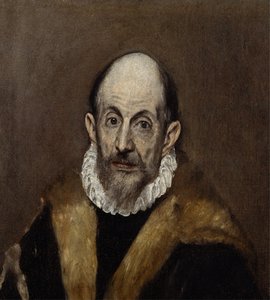
El Greco
1541 - 1614 , Grecia
Datos clave
- Artistas Que Influyeron:
- Tintoretto
- Tiziano
- Estilo Artístico: Manierismo, Renacimiento Español
- Fecha De Muerte: 1614
- Fecha De Nacimiento: 1541
- Influencia En Artistas:
- Expresionismo
- Cubismo
- Lugar De Nacimiento: Creta, Grecia
- Nacionalidad: Griego-Español
- Nombre Completo: El Greco (Doménikos Theotokópulos)
- Obras Notables:
- Vista de Toledo
- El entierro del Conde Orgaz
- Alegoría de la Orden Camaldulense
Artículos relacionados

AllPaintingsStore.com F.A.Q.: Elevate Your Decor with Premium Textured Giclée Prints
Discover the distinction of AllPaintingsStore.com premium textured Giclée prints. Expertly crafted with archival 12-color pigments and museum-grade substrates, our prints offer unparalleled vividness for the discerning collector seeking luxury, durability, and timeless elegance.


