


 Vista previa
 Compartir
 Compartir
 Ver detalles
 Guía
Guía

 Descargar
 Ver artículos similares
 Radiografía
 Presentación de diapositivas
 Estadísticas
Mountain Forest
 Oil On Canvas
- WallArt
- German Expressionism
 1920
1920 119.0 x 90.0 cm
 Leer más
Reproducción al óleo hecha a mano
Óleo sobre lienzo pintado a mano en el tamaño y marco de su elección, realizado por encargo por nuestros artistas. ( Cambiar a formato impreso Ver versión en imagen digital)




P118B €10

P118H €10

P118W €10

P438Z €10

P508JH €12

P508YH €12

P805H €10

P805Z €10

P919BZ €10

P919G €10

P919XJ €10

P959ZH €10

P968JZ €12

W106C €8

W218G €10

W218JH €8

W218Y €10

W307PJ €10

W316G €10

W316PJ €8

W316Y €10

W398PJ €8

W4111J €10

W500HY €15

W500JH €15

W692G €12

W849H €8

W940BG €15

W953PJ €8




Elija entre nuestros tamaños predefinidos que respetan las proporciones originales de la obra.

Escriba el ancho y el alto que necesite para adaptarse a su marco o a su pared. Al ser una obra pintada a mano, para un tamaño con una forma distinta, el artista puede pintar un poco más alrededor de la imagen o recortar un poco; usted elige. Le enviaremos una maqueta digital para su aprobación antes de comenzar la pintura. La imagen que se muestra en esta página no refleja el resultado real; solo la maqueta lo hace.
Tras realizar el pedido, el equipo de AllPaintingsStore.com enviará un correo electrónico al cliente para solicitar instrucciones y proporcionarle una vista previa del boceto.
Envío a todo el mundo () en 3-4 semanas en lugar de las 5 semanas estándar. (23 octubre). Sin comprometer la calidad.

Envío exprés gratuito a todo el mundo

Lienzo de lino de alta calidad

Seguro de envío completo

Garantía de reembolso de impuestos aduaneros

Garantía de fidelidad cromática exacta

Política de devolución de 100 días (solo por defectos)

Garantía de devolución del 100% del dinero

Oferta por volumen
 La opción de vidrio solo está disponible en tamaños inferiores a 110 cm.

Mountain Forest
Técnica de reproducción
Tamaño de la reproducción
-


Precio total
€ 227
The Luminous Embrace of Nature in Kirchner's Vision
To stand before this depiction, "Mountain Forest," is to step through a veil into a vibrant, almost feverish dreamscape of the natural world. Ernst Ludwig Kirchner, master of German Expressionism, has captured more than just a woodland scene; he has bottled an emotional resonance—the exhilarating, sometimes overwhelming, feeling of immersion in nature. The canvas pulses with life, a tapestry woven from lush greens and punctuated by bursts of unexpected color from the abundant flora. It is a journey rendered visible, inviting the viewer to wander down the depicted path as if their own footsteps were about to tread upon the painted earth.
Technique and the Expressionist Brushstroke
Kirchner’s handling of paint here is masterful in its apparent spontaneity. While the subject matter—a forest teeming with life, featuring figures strolling along a winding way—suggests tranquility, the technique itself speaks to an underlying energy. The brushstrokes are not merely descriptive; they are emotive. They possess a distinct vigor, giving dimension and depth that seems almost palpable. Observe how the varied foliage is rendered: it is rich, layered, and deeply saturated, suggesting both the density of the woods and the sheer joy of discovery found within them. This large scale allows the artist to envelop the viewer, making the forest feel vast and immediate.
Historical Echoes: Modernity Amidst Wilderness
Painted in 1920, this work emerges from a period of profound societal upheaval for Germany. Kirchner’s art often wrestled with the anxieties of modern urban life, yet here, he finds solace—or perhaps an escape—within the embrace of the forest. The presence of figures within the scene is telling; they are not merely decorative elements but participants in a shared experience. They suggest a yearning for connection, a retreat from the industrial clamor that characterized the early 20th century. The woods become a sanctuary, a place where the raw spirit can breathe.
Symbolism of the Path and the Bloom
The pathway itself functions as a potent symbol—the journey of life, the passage through experience. It draws the eye deep into the composition, promising revelation around every bend. Complementing this sense of movement are the flowers; they are not painted with delicate realism but with an almost ecstatic vibrancy. These blooms represent moments of pure, unadulterated beauty, punctuating the deeper mystery of the woods. For the collector or designer, this piece offers more than mere decoration; it is a focal point imbued with narrative—a reminder to seek out the vibrant pockets of joy in one's own journey.
Bringing the Forest Home
Reproducing such an emotionally charged work requires sensitivity to Kirchner’s original intensity. Owning a reproduction of "Mountain Forest" allows one to curate a space that feels both deeply rooted and vibrantly alive. It is ideal for those who appreciate art that speaks in feeling rather than just form—a piece that will draw conversation, evoke wanderlust, and infuse any room with the rich, complex beauty of an untamed natural spirit.
Preguntas y respuestas
¿Tiene "Mountain Forest" una vista previa en realidad aumentada?
Puedes visualizar "Mountain Forest" de Ernst Ludwig Kirchner en tu propia pared con la página de Vista previa AR de la obra, utilizando realidad aumentada en un dispositivo compatible.
¿Para qué uso se sugiere "Mountain Forest" de Ernst Ludwig Kirchner?
El uso sugerido para "Mountain Forest" de Ernst Ludwig Kirchner es Focal. También puede servir para otros fines.
¿Cómo puedo descargar la imagen de "Mountain Forest" de Ernst Ludwig Kirchner?
La imagen de "Mountain Forest" de Ernst Ludwig Kirchner puede descargarse desde la página de Descargar de la obra: descarga de una imagen digital en alta resolución.
Obras relacionadas


Biografía del artista
Ernst Ludwig Kirchner: Vida y Legado
Primeros Años y Educación
Ernst Ludwig Kirchner, una figura clave del Expresionismo alemán, nació el 6 de mayo de 1880 en Aschaffenburg, Baviera. Su herencia prusiana familiar y la ascendencia hugonota de su madre moldearon significativamente su identidad artística. Las frecuentes mudanzas durante su infancia – debido a la búsqueda de empleo de su padre – llevaron a Kirchner a asistir a escuelas en Frankfurt y Perlen antes de establecerse en Chemnitz cuando su padre consiguió un puesto en el colegio tecnológico local.
En 1901, Kirchner comenzó a estudiar arquitectura en la Königliche Technische Hochschule (Real Escuela Técnica) en Dresde. Sin embargo, pronto se sintió atraído por la pintura, encontrando inspiración en las obras de artistas como Albrecht Dürer y desarrollando una perspectiva radical sobre el arte junto con su amigo, Fritz Bleyl.
Formación de Die Brücke (El Puente)
Un punto de inflexión en la carrera de Kirchner llegó en 1905 cuando cofundó Die Brücke (“El Puente”) con Bleyl, Karl Schmidt-Rottluff y Erich Heckel. Este grupo tenía como objetivo cerrar la brecha entre los estilos académicos tradicionales y una forma de expresión más moderna y cargada emocionalmente. Buscaron inspiración en el arte primitivo, particularmente del África y Oceanía, así como en las obras de Vincent van Gogh y Edvard Munch.
Estilo Artístico y Características Clave
El estilo artístico de Kirchner se caracteriza por sus colores audaces, pinceladas expresivas y composiciones a menudo inquietantes. Representaba con frecuencia escenas urbanas, retratando la alienación y las ansiedades de la vida moderna a principios del siglo XX en Alemania. Su obra también presenta un número significativo de desnudos femeninos dentro de paisajes naturales, mostrando su fascinación por el movimiento y la forma.
- Paletas de Colores Audaces: Kirchner empleó colores vibrantes, a menudo no naturalistas, para transmitir emoción.
- Trabajo de Pincel Expresivo: Sus pinceladas son enérgicas y visibles, contribuyendo a la intensidad emocional general de sus pinturas.
- Formas Distorsionadas: Las figuras y los objetos a menudo están distorsionados o alargados, reflejando una realidad subjetiva más que objetiva.
- Temas Urbanos: Muchas de sus obras representan calles bulliciosas de la ciudad y el impacto psicológico de la vida urbana moderna.
Obras Principales y Logros
Algunas de las obras más notables de Kirchner incluyen:
- La Calle (1908) – Una representación esencial de la vida callejera en Berlín, capturando su energía y alienación.
- Bailarina Saltando, Gret Palucca (1912) – Muestra su interés por el movimiento expresivo y la forma humana.
- Autorretrato con Modelo (1910) - Un ejemplo llamativo de su autoexploración a través del arte.
- Cinco Mujeres en la Calle (1913)
Vida Posterior, Desafíos y Legado
La vida de Kirchner estuvo marcada por el tormento personal. Sufrió un colapso mental durante la Primera Guerra Mundial y posteriormente se retiró a Suiza. El auge del nazismo trajo consigo nuevas dificultades; más de 600 de sus obras fueron confiscadas y consideradas “arte degenerado”. Enfrentando persecución y deterioro de su salud, Kirchner trágicamente se suicidó en Davos, Suiza, el 15 de junio de 1938.
A pesar de este trágico final, el legado de Ernst Ludwig Kirchner perdura. Sigue siendo una figura central del Expresionismo alemán, influyendo en generaciones de artistas con su estilo audaz y sus representaciones emocionalmente resonantes de la vida moderna. Su obra continúa expuesta en importantes museos de todo el mundo y es muy solicitada por coleccionistas.
Influencias e Impacto
Influenciado Por: Albrecht Dürer, Vincent van Gogh, Edvard Munch, Arte Primitivo (Africano y Oceanía)
Influyó en: La obra de Kirchner impactó profundamente a generaciones posteriores de artistas expresionistas y modernos. Su exploración de temas psicológicos y su uso innovador del color y la forma continúan inspirando prácticas artísticas contemporáneas.
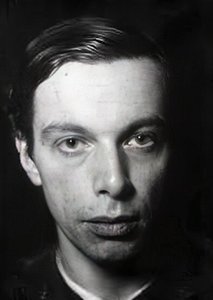
Ernst Ludwig Kirchner
1880 - 1938 , Alemania
Datos clave
- Artistas Que Influyeron:
- Albrecht Dürer
- Vincent van Gogh
- Edvard Munch
- Fecha De Fallecimiento: 15 de junio de 1938
- Fecha De Nacimiento: 6 de mayo de 1880
- Influenciado A: Expresionistas y artistas modernos
- Lugar De Nacimiento: Aschaffenburg, Alemania
- Movimiento Artístico: Expresionismo, Die Brücke
- Nacionalidad: Alemán
- Nombre Completo: Ernst Ludwig Kirchner
- Obras Notables:
- La calle
- Bailarina saltando
- Autorretrato con modelo
- Cinco mujeres en la calle
- Torre roja en Halle
Artículos relacionados

Paisajes Románticos: 10 Obras Maestras que Definieron un Movimiento Artístico
Descubre los 10 paisajes románticos más influyentes de artistas como Caspar David Friedrich y Turner. Explora la belleza, el simbolismo y las técnicas del movimiento romántico. Reproducciones de arte exclusivas en AllPaintingsStore.com.

Unmasking Emotion: A Journey Through the Raw Power and Visceral Beauty of German Expressionism
Explore the raw emotional power of German Expressionism. From Kirchner to Die Brücke, discover how artists used distortion and vibrant color to unmask the human psyche. A deep dive into art history for the discerning collector and enthusiast.

The Vibrant World of Ernst Ludwig Kirchner: A Definitive Guide to German Expressionism
Explore the raw emotion of German Expressionism through a definitive guide to Ernst Ludwig Kirchner. Discover how his bold colors and distorted forms redefined modern art history, from Berlin street scenes to iconic masterpieces.

Expresionismo Alemán: 10 Obras Maestras que Transformaron el Arte | AllPaintingsStore
Descubre las 10 obras maestras del Expresionismo Alemán: Kirchner, Munch y más. Explora la historia, técnica y emoción detrás de estos lienzos icónicos. Reproducciones de arte de museo en AllPaintingsStore.com. ¡Inspira tu hogar con arte!

Ernst Ludwig Kirchner: Expressionism's Urban Anxiety & the Fragmentation of Modern Identity
Explore the powerful world of Ernst Ludwig Kirchner and German Expressionism. Discover his iconic paintings, Die Brücke group, and the movement's exploration of urban anxiety & modern identity. Expert analysis for collectors & enthusiasts.


