


 Vista previa
 Compartir
 Compartir
 Ver detalles

 Descargar
 Ver similares
 Radiografía
 Presentación de diapositivas
Chatting
 Impressionism
 1883
1883 32.0 x 24.0 cm
 Leer más
Giclée / Impresión de arte
Impresiones giclée o en lienzo de calidad de museo con producción rápida y opciones de acabado flexibles. ( Encargar reproducción pintada a mano Comprar descarga)




































Elija entre nuestros tamaños predefinidos que respetan las proporciones originales de la obra.

Puede introducir sus propias dimensiones para adaptarse a un marco o espacio específico. Si el tamaño seleccionado no coincide con las proporciones de la imagen original, recortaremos la obra de arte o extenderemos la imagen con un borde con efecto espejo o de color sólido. Se enviará una maqueta digital para su aprobación antes de que comience la producción.
Tenga en cuenta que la vista previa en pantalla no refleja el recorte o la extensión real. Solo la maqueta mostrará con precisión la composición final.
Aunque existen tamaños personalizados, recomendamos seleccionar una dimensión de la lista predefinida para preservar las proporciones originales.
Envío a todo el mundo () en 2 semanas en lugar de las 4/5 semanas estándar. (19 agosto)

Envío exprés gratuito a todo el mundo

Lienzo de lino de alta calidad

Seguro de envío completo

Garantía de reembolso de aranceles aduaneros

Garantía de fidelidad cromática exacta

Política de devolución de 60 días (solo por defectos)

Garantía de devolución del 100% del dinero

Oferta por volumen
 La opción de vidrio solo está disponible en tamaños inferiores a 110 cm.

Chatting
Giclée / Impresión de arte
Tamaño de la reproducción
-


Precio total
$ 64
Obras relacionadas


Biografía del artista
Ettore Tito: A Venetian Visionary
Ettore Tito (17 December 1859 – 26 June 1941) stands as a pivotal figure in Italian art history, particularly renowned for his evocative depictions of Venice and its surroundings during the late nineteenth and early twentieth centuries. Born in Castellammare di Stabia, near Naples, Tito’s artistic journey began with formative influences from Dutch Impressionist painter Cecil van Haanen, establishing a lifelong friendship that profoundly shaped his creative sensibilities. He swiftly ascended through the ranks of the Accademia di Belle Arti di Venezia (Venetian Academy of Fine Arts), demonstrating exceptional talent and securing a professorship at just 17 years old—a testament to his prodigious aptitude for artistic pursuits. Early Training & Influences: Tito’s initial training under Marino Nolenti instilled in him a foundational understanding of classical principles alongside burgeoning Impressionistic tendencies. He recognized the transformative power of observing nature firsthand, mirroring the approach championed by artists like Claude Monet and Pierre-Auguste Renoir—a stylistic decision that would define his artistic trajectory for decades to come. Venetian Landscape Painter: Tito's oeuvre is overwhelmingly characterized by breathtaking Venetian landscapes—particularly those capturing the ethereal beauty of dawn and dusk. His masterful use of light and color, reminiscent of Monet and Sisley, elevates these scenes into timeless representations of Venetian atmosphere. He meticulously studied atmospheric perspective, painstakingly layering hues to convey depth and luminosity—a technique honed through years of dedicated observation and experimentation. His breakthrough came in 1887 with “Pescheria Vecchia a Venezia,” a painting that immediately garnered critical acclaim and secured its place within the Galleria Nazionale d’Arte Moderna in Rome. This seminal work exemplifies Tito's commitment to capturing contemporary life—specifically, the bustling activity of Venice’s fish market—with remarkable realism blended seamlessly with Impressionistic brushstrokes. Subsequent exhibitions at the Biennale di Venezia cemented his reputation as a leading Venetian artist and garnered him prestigious awards, including the Città di Venezia Prize in 1897 and a Grand Medal of Gold at the 1903 Biennale. Biennale Recognition: Tito’s unwavering participation in the Biennale di Venezia from its inception solidified his position as an artistic icon—a tradition that continued until World War I and resumed in 1920. He tirelessly pursued excellence, constantly refining his craft and pushing the boundaries of Venetian painting—a dedication recognized by fellow artists and critics alike. Tito’s canvases became celebrated for their luminous palettes and masterful execution, securing his place among the most influential painters of his era. Mythological Inspiration: Tito's engagement with mythology—particularly Venus—demonstrates a desire to transcend mere representation and imbue his artworks with deeper symbolic meaning. He drew inspiration from classical sculptures and frescoes, meticulously recreating idealized forms and compositions that reflected humanist ideals prevalent during the Belle Époque. His monumental painting “The Birth of Venus” (1908), commissioned for the Palazzo Venezia in Rome, stands as an enduring symbol of Venetian artistic heritage and exemplifies Tito’s masterful command of color and form. Academic Distinction: In 1926, Tito was honored with membership into the Royal Academy of Italy, recognizing his enduring contribution to Italian art and scholarship. He served as Professor of Painting at the Accademia di Belle Arti di Venezia for over two decades, nurturing young talent and fostering a vibrant artistic community—a legacy that continues to inspire generations of artists. Tito’s unwavering belief in the transformative power of art cemented his reputation as a visionary thinker and educator, ensuring his place among Italy's most revered cultural figures.
ettore tito
1859 - 1941 , Italia
Datos clave
- Artistic Movement Or Style: Realism & Symbolism
- Artists Who Influenced This Artist: ['Cecil van Haanen']
- Date Of Birth: December 17, 1859
- Full Name: ettore tito
- Nationality: Italian
- Notable Artworks:
- Chatting
- With the rose between the lips
- Place Of Birth: Castellammare Di Stabia, Italy
Artículos relacionados

Los 10 Paisajes Más Icónicos de la Historia del Arte | AllPaintingsStore
Descubre los 10 paisajes más emblemáticos de la historia del arte, desde Monet a Van Gogh. Explora su significado, técnica y belleza atemporal. Encuentra reproducciones de alta calidad e inspira tu hogar con AllPaintingsStore.com.
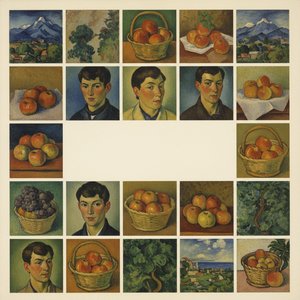
Paul Cézanne: Las 25 Obras Maestras que Definieron el Arte Moderno | AllPaintingsStore
Descubre las 25 obras maestras de Paul Cézanne que revolucionaron el arte moderno. Explora su técnica, inspiración y significado en paisajes, bodegones y retratos. Reproducciones de alta calidad para decorar tu hogar con arte inolvidable. ¡Explora la colección completa en AllPaintingsStore.com!

Evocations of Place: A Historical Journey Through Landscape Art
Explore the rich history of landscape art with AllPaintingsStore. Discover renowned artists, movements like Impressionism & Romanticism, and expert guidance for collecting timeless pieces. Find your perfect serene escape today!

Evocations of Place: A Historical Journey Through Landscape Art
Explore the rich history of landscape art with AllPaintingsStore. Discover renowned artists, movements like Impressionism & tonalism, and expert guidance for collecting timeless pieces. Find your perfect serene escape today!

Los 10 Maestros del Paisaje Impresionista: Obras que Cambiaron la Historia del Arte
Descubre los 10 lienzos impresionistas que revolucionaron el arte. Monet, Renoir y más… Explora la historia, técnica y belleza de cada obra maestra. Encuentra reproducciones de alta calidad para tu hogar en AllPaintingsStore.com.



