


 Vista previa
 Compartir
 Compartir
 Ver detalles
 Guía
Guía

 Descargar
 Ver artículos similares
 Radiografía
 Presentación de diapositivas
 Estadísticas
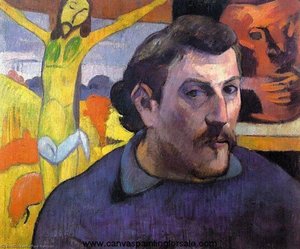
Self Portrait with the Yellow Christ
 Óleo sobre lienzo
- Arte de pared
- Post-Impressionist Synthesis
 1890
1890- Siglo XIX
 38.0 x 46.0 cm
 Leer más
Reproducción al óleo hecha a mano
Óleo sobre lienzo pintado a mano en el tamaño y marco de su elección, realizado por encargo por nuestros artistas. ( Cambiar a formato impreso Ver versión en imagen digital)




P118B $10

P118H $10

P118W $10

P438Z $10

P508JH $12

P508YH $12

P805H $10

P805Z $10

P919BZ $10

P919G $10

P919XJ $10

P959ZH $10

P968JZ $12

W106C $8

W218G $10

W218JH $8

W218Y $10

W307PJ $10

W316G $10

W316PJ $8

W316Y $10

W398PJ $8

W4111J $10

W500HY $15

W500JH $15

W692G $12

W849H $8

W940BG $15

W953PJ $8




Elija entre nuestros tamaños predefinidos que respetan las proporciones originales de la obra.

Puede ingresar sus propias dimensiones para adaptarse a un marco o espacio específico. Si el tamaño seleccionado no coincide con las proporciones de la imagen original, recortaremos la obra o extenderemos la pintura con elementos adicionales pintados a mano. Se le enviará una maqueta digital para su aprobación antes de comenzar la producción.
Tenga en cuenta que la vista previa en pantalla no refleja el recorte o la extensión reales. Solo la maqueta mostrará con precisión la composición final.
Si bien existen tamaños personalizados, recomendamos seleccionar una dimensión de la lista predefinida para preservar las proporciones originales.
Tras realizar el pedido, el equipo de AllPaintingsStore.com enviará un correo electrónico al cliente para solicitar instrucciones y proporcionarle una vista previa del boceto.
Envío a todo el mundo () en 3-4 semanas en lugar de las 5 semanas estándar. (21 septiembre). Sin comprometer la calidad.

Envío exprés gratuito a todo el mundo

Lienzo de lino de alta calidad

Seguro de envío completo

Garantía de reembolso de impuestos aduaneros

Garantía de fidelidad cromática exacta

Política de devolución de 100 días (solo por defectos)

Garantía de devolución del 100% del dinero

Oferta por volumen
 La opción de vidrio solo está disponible en tamaños inferiores a 110 cm.

Self Portrait with the Yellow Christ
Técnica de reproducción
Tamaño de la reproducción
-


Precio total
$ 258
A Profound Meditation on Faith and Identity: Gauguin's *Self Portrait with the Yellow Christ*
Paul Gauguin’s Self Portrait with the Yellow Christ, painted in 1890, is more than a simple depiction of the artist; it’s a deeply layered exploration of spirituality, identity, and the burgeoning anxieties of the late 19th century. This oil on canvas work, measuring 38 x 46 cm, immediately captivates with its bold color palette and unsettling juxtaposition – Gauguin's own face confronting the iconic image of Christ, rendered in a vibrant, almost jarring, yellow.
The painting’s genesis lies within Gauguin’s profound dissatisfaction with Parisian society and his yearning for authenticity. Influenced by his family history, particularly his grandmother’s radical socialist ideals, he sought inspiration in distant lands and primitive cultures, believing they held a purer form of spirituality. This desire is powerfully conveyed through the deliberate arrangement of figures and objects within the scene. The “Yellow Christ,” as it became known, isn't simply a religious icon; it represents a challenge to conventional Western interpretations of faith, suggesting a more visceral, emotional connection.
The Language of Cloisonnism: Form and Color
Gauguin’s masterful use of Cloisonnism is immediately apparent. This technique, characterized by sharply defined outlines and flat areas of color – reminiscent of stained glass – creates a powerful sense of geometric clarity. The bold lines delineate the forms with an almost sculptural quality, emphasizing the two-dimensionality of the canvas. The vibrant yellow of the Christ dominates the background, contrasting dramatically with the more subdued tones of the surrounding space, drawing the viewer’s eye directly to this central figure. This deliberate use of color wasn't merely aesthetic; it was a conscious effort to strip away illusionistic depth and create a symbolic representation of spiritual truth.
Beyond Cloisonnism, Gauguin employs a flattened perspective, further contributing to the painting’s dreamlike quality. The inclusion of seemingly random elements – two figures on the left, a pig in the lower-left corner, a bird near the top right, and three chairs – adds layers of complexity and invites interpretation. These details aren't merely decorative; they are symbolic fragments, perhaps representing earthly concerns or the artist’s own internal struggles.
Historical Context and Gauguin’s Vision
Painted during a period of immense social and artistic upheaval, Self Portrait with the Yellow Christ reflects the broader anxieties of the late 19th century. The rise of industrialization, urbanization, and secularism challenged traditional religious beliefs, prompting artists like Gauguin to seek alternative sources of meaning. His work aligns with the Synthetist style, a movement that sought to simplify forms and reduce color to its purest expression – a reaction against the complexities of Impressionism. Gauguin’s bold artistic choices were initially met with criticism, but his influence on subsequent generations of artists is undeniable.
This particular painting offers a poignant glimpse into Gauguin's personal journey—a quest for spiritual understanding amidst a world grappling with profound change. The emotional impact of the work lies in its unsettling juxtaposition of faith and doubt, beauty and decay, inviting viewers to contemplate their own beliefs and experiences.
Obras relacionadas




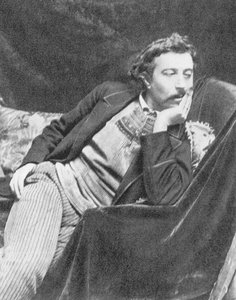
Biografía del artista
Eugène Henri Paul Gauguin: Una Vida en Color y Simbolismo
Primeros Años y Orígenes
- Nacido el 7 de junio de 1848 en París, Francia, Eugène Henri Paul Gauguin fue una figura compleja moldeada por una crianza inusual.
- Su padre era periodista y su madre provenía de una familia con raíces peruanas – su abuela materna, Flora Tristan, fue una pionera escritora feminista y socialista.
- En 1850, la familia se trasladó a Perú, donde Gauguin pasó cuatro años formativos inmerso en una cultura diferente. Esta experiencia influiría profundamente en su arte más adelante.
- Regresando a Francia después de la muerte de su padre, Gauguin recibió una educación formal pero finalmente eligió una carrera como corredor de bolsa.
De Corredor de Bolsa a Artista
- Gauguin comenzó a pintar como un pasatiempo en su tiempo libre, influenciado inicialmente por los impresionistas.
- Una crisis financiera en 1882 lo impulsó a abandonar su carrera empresarial y dedicarse por completo al arte.
- Estudió con Camille Pissarro, quien animó su desarrollo artístico e introdujo a otros pintores vanguardistas.
Desarrollo Artístico e Influencias
- El trabajo temprano de Gauguin reflejó las técnicas impresionistas, pero pronto buscó un estilo más expresivo y simbólico.
- Experimentó con colores audaces, formas planas y composiciones simplificadas, alejándose del naturalismo del Impresionismo.
- Sus viajes a Bretaña, Martinica y finalmente Tahití fueron cruciales para dar forma a su visión artística. Buscaba una vida más “primitiva”, creyendo que ofrecía mayor autenticidad espiritual.
- Se vio influenciado por las estampas japonesas (Japonismo) y el arte medieval, lo que contribuyó a su estética distintiva.
Período Tahitiano y Obras Maestras
- Gauguin llegó a Tahití en 1891, buscando refugio de la civilización europea e inspiración en la cultura polinesia.
- Este período marcó el apogeo de su creatividad artística, produciendo pinturas icónicas como “Vahine no te miti”, “Manao Tupapau” (Observado por el Espíritu de los Muertos) y “El Día de los Dioses”.
- Sus obras tahitianas se caracterizan por colores vibrantes, temas exóticos y un sentido de misterio y espiritualidad.
- A menudo representaba a mujeres polinesias, paisajes y creencias religiosas, interpretándolos a través de su propia lente simbólica.
Vida Tardía y Dificultades
- Gauguin enfrentó dificultades financieras y problemas de salud durante su tiempo en Tahití y más tarde en las Islas Marquesas.
- A pesar de estos desafíos, continuó pintando prolíficamente, explorando temas de vida, muerte y espiritualidad.
- Murió el 8 de mayo de 1903 en la isla de Hiva Oa en las Islas Marquesas.
Legado e Importancia Histórica
- La obra de Gauguin fue en gran medida no reconocida durante su vida, pero ganó aplausos póstumos después de su muerte.
- Ahora se considera una figura clave en el desarrollo del arte moderno, conectando la brecha entre el Impresionismo y el Simbolismo.
- Su uso del color, las formas simplificadas e imágenes simbólicas influyeron a numerosos artistas, incluyendo Pablo Picasso, Henri Matisse y los Fauves.
- La exploración de Gauguin de culturas “primitivas” y su rechazo a las convenciones artísticas occidentales continúan siendo debatidas e reinterpretadas hoy en día.
- Sigue siendo una figura controvertida debido a aspectos de su vida personal, pero sus contribuciones artísticas son innegables.
eugène henri paul gauguin
1848 - 1903 , Francia
Datos clave
- Artistic Movement Or Style: Postimpresionismo
- Artists Or Movements Influenced By This Artist:
- Picasso
- Matisse
- Artists Who Influenced This Artist: ['Pissarro']
- Date Of Birth: 1848
- Date Of Death: 1903
- Full Name: Eugène Henri Paul Gauguin
- Nationality: Francés
- Notable Artworks:
- Vahine no te miti
- Manao Tupapau
- Dos Mujeres en la Playa
- Place Of Birth: París, Francia
Artículos relacionados

Beyond Impressionism: Exploring the Emotional Depth and Vibrant Mastery of Post-Impressionist Art
Discover the profound evolution of art beyond Impressionism. Explore the emotional depth, vibrant colors, and revolutionary techniques of Post-Impressionist masters like Van Gogh and Cézanne in this expert guide to art history's most expressive movement.

Post-Impressionism Guide: Bold Colors and Expressive Masterpieces for Professional Hotel Decorators
Elevate hospitality interiors with Post-Impressionist masterpieces. A professional guide for hotel designers on selecting bold, expressive oil reproductions and large-scale murals to create impactful, high-end guest experiences through expert art procurement.


