


 Ver en contexto
 Enviar
 Compartir
 Detalles
 Guía
Guía

 Descargar
 Similares
 Radiografía
 Presentación de diapositivas
 Estadísticas
Alarm clock


 Ver más
Giclée / Impresión de arte
Impresiones giclée o en lienzo de calidad de museo con producción rápida y opciones de acabado flexibles. ( Comprar pintura hecha a mano Cambiar a imagen digital)




P118B €10

P118H €10

P118W €10

P438Z €10

P508JH €12

P508YH €12

P805H €10

P805Z €10

P919BZ €10

P919G €10

P919XJ €10

P959ZH €10

P968JZ €12

W106C €8

W218G €10

W218JH €8

W218Y €10

W307PJ €10

W316G €10

W316PJ €8

W316Y €10

W398PJ €8

W4111J €10

W500HY €15

W500JH €15

W692G €12

W849H €8

W940BG €15

W953PJ €8




Elija entre nuestros tamaños predefinidos que respetan las proporciones originales de la obra.

Introduzca el ancho y el alto que necesite para adaptarse a su marco o pared. Una impresión solo puede recortarse, nunca hacerse más grande que la imagen original, por lo que un tamaño con una forma distinta perderá parte de la obra. Le enviaremos una maqueta digital para su aprobación antes de realizar cualquier impresión. La imagen que se muestra en esta página no refleja el recorte real; solo la maqueta lo hace.
Envío a todo el mundo () en 2 semanas en lugar de las 4/5 semanas estándar. (25 octubre)

Envío exprés gratuito a todo el mundo

Lienzo de lino de alta calidad

Seguro de envío total

Garantía de reembolso de aranceles aduaneros

Garantía de fidelidad cromática exacta

Política de devolución de 100 días (solo por defectos)

Garantía de devolución del 100% del dinero

Descuento por cantidad
 La opción de vidrio solo está disponible en tamaños inferiores a 110 cm.

Alarm clock
Giclée / Impresión de arte
Dimensiones de la reproducción
-


Precio total final
€ 56
A Moment Frozen in Time: The Mechanical Pulse of Léger
In the vast tapestry of early twentieth-century modernism, few artists captured the rhythmic, industrial heartbeat of a changing world as vibrantly as Fernand Léger. His 1914 work, Alarm Clock, serves as a profound window into a period where the boundaries between human life and the burgeoning machine age began to blur. At first glance, the painting presents a scene of unexpected narrative tension; a man, clad in a striking red and white striped shirt, sits atop a horse whose head is bowed in a moment of quietude or perhaps exhaustion. Yet, as the eye wanders through the composition, the presence of a clock on the periphery introduces a temporal weight, suggesting that even within this pastoral or communal gathering, the relentless march of time—and the mechanical precision it demands—is ever-present.
Léger’s unique approach to style and technique is on full display here, showcasing his transition from traditional influences toward what would become his signature Tubism. The painting avoids the soft, ethereal edges of Impressionism, opting instead for a more structured, almost sculptural application of form. The figures and the horse are rendered with a certain solidity, as if they were components of a larger, intricate mechanism. This technique does not merely depict a scene; it constructs one, using bold outlines and a deliberate sense of volume to celebrate the physicality of the subjects. For the discerning collector or interior designer, this piece offers a sophisticated interplay of geometry and life, making it a commanding focal point that brings a sense of structured energy to any curated space.
The historical context of 1914 adds a layer of poignant symbolism to the work. As Europe stood on the precipice of profound global upheaval, Léger was already experimenting with the integration of modern motifs into the human experience. The inclusion of the clock is not merely a decorative detail but a symbolic anchor, representing the encroaching industrial era that would soon redefine the very nature of labor and existence. There is an emotional duality at play: the warmth of the gathered crowd and the organic presence of the horse are juxtaposed against the cold, unyielding measurement of time. This tension creates a captivating psychological depth, inviting viewers to contemplate their own relationship with the modern world.
For those looking to adorn a home or gallery with a high-quality reproduction, Alarm Clock offers more than just visual beauty; it offers an intellectual journey. The painting’s ability to harmonize vibrant color—such as the energetic stripes of the rider's attire—with a grounded, rhythmic composition ensures that it complements both contemporary minimalist settings and more eclectic, classical interiors. It is a piece that speaks of movement, of the intersection between the organic and the mechanical, and of the enduring power of art to capture the fleeting essence of an era.
Preguntas y respuestas
¿Qué nivel de contraste tiene "Alarm clock" de Fernand Léger?
El nivel de contraste de "Alarm clock" de Fernand Léger es Balanced.
¿Cómo se construye la composición cromática de "Alarm clock" de Fernand Léger?
La composición cromática de "Alarm clock" de Fernand Léger combina un contraste Balanced con una armonía Strong Color Unity.
¿Cuándo se creó "Alarm clock" y a qué movimiento pertenece?
"Alarm clock" de Fernand Léger data de 1914 y pertenece al Cubism.
Obras relacionadas


Biografía del artista
vida temprana y formación
fernand léger, un pintor, escultor y cineasta francés, nació el 4 de febrero de 1881 en Argentán, Orne, Baja Normandía. Su padre criaba ganado, y Léger inicialmente se formó como arquitecto de 1897 a 1899. Luego se mudó a París en 1900, ganándose la vida como dibujante arquitectónico.desarrollo artístico
El trabajo temprano de Léger estuvo influenciado por el impresionismo, como se ve en le jardin de ma mère (mi madre's garden) (1905). Después de asistir a la escuela de artes decorativas y la academia Julian, comenzó a trabajar seriamente como pintor a los 25 años. Su estilo evolucionó hacia una forma personal del cubismo, que los críticos denominaron "tubismo" por su énfasis en las formas cilíndricas.cubismo y el grupo puteaux
En 1910, Léger expuso en el salón de otoño junto a jean metzinger y henri le fauconnier. Se unió al grupo puteaux, también conocido como la sección dorada (la sección de oro), junto con otros artistas como francis picabia y marcel duchamp.guerra y su influencia en el trabajo de léger
Las experiencias de Léger en la Primera Guerra Mundial impactaron significativamente su obra. Durante su tiempo en el frente, produjo dibujos de piezas de artillería, aviones y soldados compañeros. Su pintura soldier with a pipe (1916) refleja este período.obra posterior y legado
La obra posterior de Léger, caracterizada por formas mecánicas y elegantes, lo vinculó a la tradición de la pintura figurativa francesa. Sus paisajes animados de 1921 mostraron figuras y animales en formas armoniosas y aerodinámicas.- ver obras de fernand léger en AllPaintingsStore
- más sobre fernand léger en wikipedia
- descubra el musée national fernand léger (francia) con AllPaintingsStore
- la mujer sentada (100 x 81 cm, tubismo)
- elemento de máquina (cubismo)
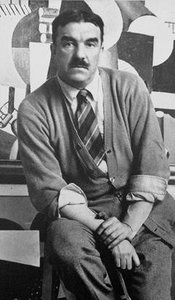
Fernand Léger
1881 - 1955 , Francia
Datos clave
- Artistas Influenciados Por: ['Pop Art']
- Artistas Que Influyeron:
- Cézanne
- Impresionismo
- Fecha De Nacimiento: 4 de febrero de 1881
- Lugar De Nacimiento: Argentan, Francia
- Movimiento Artístico:
- Cubismo
- Tubismo
- Nacionalidad: Francés
- Nombre Completo: Fernand Léger
- Obras Notables:
- La Mujer Sentada
- Elemento de Máquina
- El Gran Desfile
- Paisajes Animados
Artículos relacionados

Modern Geometry & Machine Age Beauty: A Collector's Guide to the Cubist Vision of Fernand Léger
Explore the profound geometric mastery of Fernand Léger. Discover how his 'Tubism' and Machine Age aesthetics redefined modern art, offering timeless inspiration for discerning collectors seeking to integrate Cubist dynamism into sophisticated contemporary interiors.


