


 Vista previa
 Compartir
 Compartir
 Ver detalles
 Guía
Guía

 Descargar
 Ver artículos similares
 Radiografía
 Presentación de diapositivas
 Estadísticas
Composition with compass


 Leer más
Reproducción al óleo hecha a mano
Óleo sobre lienzo pintado a mano en el tamaño y marco de su elección, realizado por encargo por nuestros artistas. ( Cambiar a formato impreso Ver versión en imagen digital)




P118B $10

P118H $10

P118W $10

P438Z $10

P508JH $12

P508YH $12

P805H $10

P805Z $10

P919BZ $10

P919G $10

P919XJ $10

P959ZH $10

P968JZ $12

W106C $8

W218G $10

W218JH $8

W218Y $10

W307PJ $10

W316G $10

W316PJ $8

W316Y $10

W398PJ $8

W4111J $10

W500HY $15

W500JH $15

W692G $12

W849H $8

W940BG $15

W953PJ $8




Elija entre nuestros tamaños predefinidos que respetan las proporciones originales de la obra.

Puede ingresar sus propias dimensiones para adaptarse a un marco o espacio específico. Si el tamaño seleccionado no coincide con las proporciones de la imagen original, recortaremos la obra o extenderemos la pintura con elementos adicionales pintados a mano. Se le enviará una maqueta digital para su aprobación antes de comenzar la producción.
Tenga en cuenta que la vista previa en pantalla no refleja el recorte o la extensión reales. Solo la maqueta mostrará con precisión la composición final.
Si bien existen tamaños personalizados, recomendamos seleccionar una dimensión de la lista predefinida para preservar las proporciones originales.
Tras realizar el pedido, el equipo de AllPaintingsStore.com enviará un correo electrónico al cliente para solicitar instrucciones y proporcionarle una vista previa del boceto.
Envío a todo el mundo () en 3-4 semanas en lugar de las 5 semanas estándar. (26 septiembre). Sin comprometer la calidad.

Envío exprés gratuito a todo el mundo

Lienzo de lino de alta calidad

Seguro de envío completo

Garantía de reembolso de impuestos aduaneros

Garantía de fidelidad cromática exacta

Política de devolución de 100 días (solo por defectos)

Garantía de devolución del 100% del dinero

Oferta por volumen
 La opción de vidrio solo está disponible en tamaños inferiores a 110 cm.

Composition with compass
Técnica de reproducción
Tamaño de la reproducción
-


Precio total
$ 258
A Symphony of Form and Function
In the heart of a world undergoing a seismic shift, Fernand Léger’s "Composition with Compass" emerges as a profound testament to the dawn of the modern era. Painted in 1916, amidst the harrowing shadows of World War I, this masterpiece does far more than merely arrange objects on a canvas; it captures the very pulse of a rapidly industrializing Europe. As the smoke of conflict and the roar of new machinery transformed the landscape of human existence, Léger sought to distill the chaos into a structured, geometric language. The painting serves as an intellectual bridge between the organic world and the burgeoning Machine Age, where the precision of a compass meets the raw energy of modern life.
The composition is a masterful dance of disparate elements—a red umbrella, a pair of scissors, a key, and a clock—each stripped of its mundane utility and reborn as a pure geometric entity. There is an undeniable rhythm to the way these objects are positioned; they do not rest in a traditional still-life arrangement but rather float within a dynamic, constructed space. The inclusion of a circular backdrop provides a sense of depth and cosmic order, anchoring the sharp, angular lines of the tools with a soft, structural grace. For the discerning collector or interior designer, this piece offers a captivating focal point that balances tension with equilibrium, making it an ideal centerpiece for spaces that celebrate contemporary sophistication.
The Architecture of Abstraction
Léger’s technique, which he famously referred to as “constructive painting,” is on full display in this work. Moving away from the fleeting, sensory impressions of his predecessors, Léger embraced a radical commitment to geometric abstraction. He meticulously dissected his subjects into their most fundamental components—circles, squares, and triangles—reassembling them to create a sense of structural integrity. This approach mirrors the very essence of the era: the deconstruction of old traditions to build something new, robust, and functional. His use of bold, decisive lines creates a visual clarity that is both striking and intellectually stimulating.
The artist’s palette in "Composition with Compass" is deliberately restrained, favoring a powerful triad of red, yellow, and black. These are not colors chosen for mere decoration or emotional sentimentality; rather, they serve as conduits for conveying the strength and austerity of the wartime period. The muted tones allow the viewer to focus on the interplay of light and shape, emphasizing the weight and volume of each element. This disciplined use of color lends the painting a timeless quality, ensuring that it remains visually impactful across different lighting environments and interior aesthetics.
A Legacy for the Modern Interior
Beyond its historical significance, "Composition with Compass" resonates with a profound emotional duality. It captures both the anxiety of a world in flux and the exhilarating optimism of technological progress. There is a certain mechanical beauty in its precision, yet the arrangement feels vibrantly alive, as if the objects are caught in a moment of perpetual motion. This tension makes the artwork incredibly versatile; it can evoke a sense of disciplined order in a minimalist setting or add a layer of historical depth to a more eclectic, curated room.
For those looking to invest in a high-quality reproduction, this piece represents an opportunity to own a fragment of the avant-garde revolution. It is an invitation to contemplate the beauty found in precision and the art that emerges when humanity embraces the tools of its own evolution. Whether gracing a professional studio or a private residence, Léger’s vision continues to inspire, reminding us that even in the most fragmented moments of history, there is a profound, underlying harmony waiting to be discovered.
Obras relacionadas


Biografía del artista
vida temprana y formación
fernand léger, un pintor, escultor y cineasta francés, nació el 4 de febrero de 1881 en Argentán, Orne, Baja Normandía. Su padre criaba ganado, y Léger inicialmente se formó como arquitecto de 1897 a 1899. Luego se mudó a París en 1900, ganándose la vida como dibujante arquitectónico.desarrollo artístico
El trabajo temprano de Léger estuvo influenciado por el impresionismo, como se ve en le jardin de ma mère (mi madre's garden) (1905). Después de asistir a la escuela de artes decorativas y la academia Julian, comenzó a trabajar seriamente como pintor a los 25 años. Su estilo evolucionó hacia una forma personal del cubismo, que los críticos denominaron "tubismo" por su énfasis en las formas cilíndricas.cubismo y el grupo puteaux
En 1910, Léger expuso en el salón de otoño junto a jean metzinger y henri le fauconnier. Se unió al grupo puteaux, también conocido como la sección dorada (la sección de oro), junto con otros artistas como francis picabia y marcel duchamp.guerra y su influencia en el trabajo de léger
Las experiencias de Léger en la Primera Guerra Mundial impactaron significativamente su obra. Durante su tiempo en el frente, produjo dibujos de piezas de artillería, aviones y soldados compañeros. Su pintura soldier with a pipe (1916) refleja este período.obra posterior y legado
La obra posterior de Léger, caracterizada por formas mecánicas y elegantes, lo vinculó a la tradición de la pintura figurativa francesa. Sus paisajes animados de 1921 mostraron figuras y animales en formas armoniosas y aerodinámicas.- ver obras de fernand léger en AllPaintingsStore
- más sobre fernand léger en wikipedia
- descubra el musée national fernand léger (francia) con AllPaintingsStore
- la mujer sentada (100 x 81 cm, tubismo)
- elemento de máquina (cubismo)
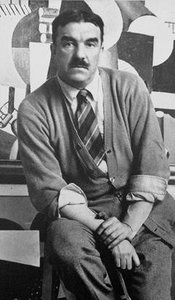
Fernand Léger
1881 - 1955 , Francia
Datos clave
- Artistas Influenciados Por: ['Pop Art']
- Artistas Que Influyeron:
- Cézanne
- Impresionismo
- Fecha De Nacimiento: 4 de febrero de 1881
- Lugar De Nacimiento: Argentan, Francia
- Movimiento Artístico:
- Cubismo
- Tubismo
- Nacionalidad: Francés
- Nombre Completo: Fernand Léger
- Obras Notables:
- La Mujer Sentada
- Elemento de Máquina
- El Gran Desfile
- Paisajes Animados
Artículos relacionados

Neo-Abstract Art Trend Forecast: High-Impact Geometric Compositions for Contemporary Commercial Interiors
Elevate commercial interiors with Neo-Abstract art. Discover how high-impact geometric compositions and custom oil reproductions provide scalable, sophisticated design solutions for hotels, restaurants, and corporate spaces. Expert procurement for large-scale hospitality projects.

25 Essential Masterpieces by Paul Klee: A Journey Through Color and Form
Immerse yourself in the rhythmic abstraction of Paul Klee. Explore 25 iconic masterpieces that define his unique blend of color, form, and emotion. Find inspiration through museum-quality art reproductions for your space. Discover all masterpieces on AllPaintingsStore.com

Bold Distortion: A Trend Forecast for Impactful Abstract Art in Luxury Commercial and Hotel Interiors
Elevate hospitality design with the Bold Distortion trend. APS provides professional sourcing of large-scale abstract paintings for hotel interiors. Benefit from custom sizing, bulk-order efficiency, and reliable global shipping. High-impact art for high-volume procurement.


