


 Ver en contexto
 Enviar
 Compartir
 Detalles
 Guía
Guía

 Descargar
 Similares
 Radiografía
 Presentación de diapositivas
 Estadísticas
Eiffel Tower


 Ver más
Reproducción al óleo hecha a mano
Óleo sobre lienzo pintado a mano en el tamaño y marco de su elección, realizado por encargo por nuestros artistas. ( Cambiar a impresiones Cambiar a imagen digital)




P118B €10

P118H €10

P118W €10

P438Z €10

P508JH €12

P508YH €12

P805H €10

P805Z €10

P919BZ €10

P919G €10

P919XJ €10

P959ZH €10

P968JZ €12

W106C €8

W218G €10

W218JH €8

W218Y €10

W307PJ €10

W316G €10

W316PJ €8

W316Y €10

W398PJ €8

W4111J €10

W500HY €15

W500JH €15

W692G €12

W849H €8

W940BG €15

W953PJ €8




Elija entre nuestros tamaños predefinidos que respetan las proporciones originales de la obra.

Indique el ancho y el alto que necesite para adaptarse a su marco o pared. Al tratarse de una obra pintada a mano, si requiere un tamaño con una proporción distinta, el artista puede pintar un poco más alrededor de la imagen o recortarla ligeramente; usted elige. Le enviaremos una maqueta digital para su aprobación antes de comenzar la pintura. La imagen que se muestra en esta página no refleja el resultado real; solo la maqueta lo hace.
Tras realizar el pedido, el equipo de AllPaintingsStore.com enviará un correo electrónico al cliente para solicitar instrucciones y proporcionarle una vista previa del boceto.
Envío a todo el mundo () en 3-4 semanas en lugar de las 5 semanas estándar. (27 octubre). Sin comprometer la calidad.

Envío exprés gratuito a todo el mundo

Lienzo de lino de alta calidad

Seguro de envío total

Garantía de reembolso de aranceles aduaneros

Garantía de fidelidad cromática exacta

Política de devolución de 100 días (solo por defectos)

Garantía de devolución del 100% del dinero

Descuento por cantidad
 La opción de vidrio solo está disponible en tamaños inferiores a 110 cm.

Eiffel Tower
Técnica de reproducción
Dimensiones de la reproducción
-


Precio total final
€ 227
Fernand Léger’s ‘Eiffel Tower’: A Naive Vision of Modernity
Fernand Léger's “Eiffel Tower,” painted around 1927, offers a captivating glimpse into the artist’s unique vision of the burgeoning modern world. This striking black and white cityscape isn’t merely a depiction of Paris; it’s a carefully constructed tableau reflecting Léger’s fascination with industrial forms and his distinctive approach to Naïve Art – a style he championed that blended elements of Primitivism with a deliberate, almost childlike clarity. The painting immediately draws the eye to the monumental presence of the Eiffel Tower, rendered with a bold, geometric simplification that emphasizes its structural essence rather than romanticized beauty. Léger’s use of flattened perspective and simplified shapes contributes to an overall sense of dynamism, mirroring the rapid changes occurring in urban life during this period.
The Language of Form: Léger's Naïve Art
Léger’s artistic journey began in rural Normandy before he moved to Paris, where he was profoundly influenced by the rise of industrialization. He deliberately rejected traditional academic techniques, opting instead for a style characterized by bold outlines, simplified forms, and a vibrant use of color – though this particular rendition is monochrome, the underlying principles remain consistent with his broader oeuvre. This “Naïve Art” approach wasn’t about creating an illusion of reality; it was about distilling the *essence* of objects and experiences into their most fundamental shapes. The inclusion of smaller towers scattered throughout the scene reinforces this concept – each a self-contained, geometric unit contributing to the overall composition.
Symbolism in a Machine Age
The painting’s subject matter—the Eiffel Tower itself—holds significant symbolic weight. Constructed for the 1889 World's Fair, it quickly became an emblem of Paris and France, representing technological progress and modernity. Léger’s interpretation elevates this symbol to something almost archetypal, stripping away extraneous detail to reveal its core structural identity. The lone figure in the painting adds another layer of interest, perhaps a solitary observer contemplating the scale and impact of this new urban landscape. This figure could be interpreted as an individual grappling with the changes brought about by industrialization – a theme central to Léger’s artistic concerns.
Technique and Historical Context
Created in 1927, “Eiffel Tower” exemplifies Léger's mature style, firmly rooted in his exploration of Naïve Art. The painting demonstrates a meticulous attention to detail within the simplified forms, showcasing his mastery of line and shape. It’s important to note that Léger was a key figure in the development of Cubism, though he ultimately diverged from its more abstract tendencies, retaining a connection to observable reality. This work reflects the broader artistic currents of the interwar period, a time of rapid technological advancement and social upheaval – themes powerfully articulated by Léger through his distinctive visual language.
Preguntas y respuestas
¿A qué movimiento y a qué época pertenece "Eiffel Tower" de Fernand Léger?
"Eiffel Tower" de Fernand Léger pertenece al movimiento Naïve Art (Primitivism), dentro de la era Edad Moderna de su creador.
¿Cómo puedo descargar la imagen de "Eiffel Tower" de Fernand Léger?
Hay una descarga disponible para "Eiffel Tower": la página de Descargar imagen digital de la obra ofrece descarga de una imagen digital en alta resolución.
¿Qué tipo de pieza es "Eiffel Tower"?
En el catálogo, "Eiffel Tower" de Fernand Léger está clasificado como WallArt. Esta categoría permite localizar obras similares.
Obras relacionadas


Biografía del artista
vida temprana y formación
fernand léger, un pintor, escultor y cineasta francés, nació el 4 de febrero de 1881 en Argentán, Orne, Baja Normandía. Su padre criaba ganado, y Léger inicialmente se formó como arquitecto de 1897 a 1899. Luego se mudó a París en 1900, ganándose la vida como dibujante arquitectónico.desarrollo artístico
El trabajo temprano de Léger estuvo influenciado por el impresionismo, como se ve en le jardin de ma mère (mi madre's garden) (1905). Después de asistir a la escuela de artes decorativas y la academia Julian, comenzó a trabajar seriamente como pintor a los 25 años. Su estilo evolucionó hacia una forma personal del cubismo, que los críticos denominaron "tubismo" por su énfasis en las formas cilíndricas.cubismo y el grupo puteaux
En 1910, Léger expuso en el salón de otoño junto a jean metzinger y henri le fauconnier. Se unió al grupo puteaux, también conocido como la sección dorada (la sección de oro), junto con otros artistas como francis picabia y marcel duchamp.guerra y su influencia en el trabajo de léger
Las experiencias de Léger en la Primera Guerra Mundial impactaron significativamente su obra. Durante su tiempo en el frente, produjo dibujos de piezas de artillería, aviones y soldados compañeros. Su pintura soldier with a pipe (1916) refleja este período.obra posterior y legado
La obra posterior de Léger, caracterizada por formas mecánicas y elegantes, lo vinculó a la tradición de la pintura figurativa francesa. Sus paisajes animados de 1921 mostraron figuras y animales en formas armoniosas y aerodinámicas.- ver obras de fernand léger en AllPaintingsStore
- más sobre fernand léger en wikipedia
- descubra el musée national fernand léger (francia) con AllPaintingsStore
- la mujer sentada (100 x 81 cm, tubismo)
- elemento de máquina (cubismo)
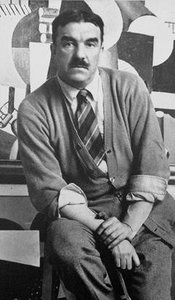
Fernand Léger
1881 - 1955 , Francia
Datos clave
- Artistas Influenciados Por: ['Pop Art']
- Artistas Que Influyeron:
- Cézanne
- Impresionismo
- Fecha De Nacimiento: 4 de febrero de 1881
- Lugar De Nacimiento: Argentan, Francia
- Movimiento Artístico:
- Cubismo
- Tubismo
- Nacionalidad: Francés
- Nombre Completo: Fernand Léger
- Obras Notables:
- La Mujer Sentada
- Elemento de Máquina
- El Gran Desfile
- Paisajes Animados
Artículos relacionados

Modern Geometry & Machine Age Beauty: A Collector's Guide to the Cubist Vision of Fernand Léger
Explore the profound geometric mastery of Fernand Léger. Discover how his 'Tubism' and Machine Age aesthetics redefined modern art, offering timeless inspiration for discerning collectors seeking to integrate Cubist dynamism into sophisticated contemporary interiors.


