


 Vista previa
 Compartir
 Compartir
 Ver detalles
 Guía
Guía

 Descargar
 Ver artículos similares
 Radiografía
 Presentación de diapositivas
 Estadísticas
Landscape


 Leer más
Giclée / Impresión de arte
Impresiones giclée o en lienzo de calidad de museo con producción rápida y opciones de acabado flexibles. ( Encargar reproducción pintada a mano Ver versión en imagen digital)




P118B $10

P118H $10

P118W $10

P438Z $10

P508JH $12

P508YH $12

P805H $10

P805Z $10

P919BZ $10

P919G $10

P919XJ $10

P959ZH $10

P968JZ $12

W106C $8

W218G $10

W218JH $8

W218Y $10

W307PJ $10

W316G $10

W316PJ $8

W316Y $10

W398PJ $8

W4111J $10

W500HY $15

W500JH $15

W692G $12

W849H $8

W940BG $15

W953PJ $8




Elija entre nuestros tamaños predefinidos que respetan las proporciones originales de la obra.

Puede introducir sus propias dimensiones para adaptarse a un marco o espacio específico. Si el tamaño seleccionado no coincide con las proporciones de la imagen original, recortaremos la obra de arte o extenderemos la imagen con un borde con efecto espejo o de color sólido. Se enviará una maqueta digital para su aprobación antes de que comience la producción.
Tenga en cuenta que la vista previa en pantalla no refleja el recorte o la extensión real. Solo la maqueta mostrará con precisión la composición final.
Aunque existen tamaños personalizados, recomendamos seleccionar una dimensión de la lista predefinida para preservar las proporciones originales.
Envío a todo el mundo () en 2 semanas en lugar de las 4/5 semanas estándar. (22 septiembre)

Envío exprés gratuito a todo el mundo

Lienzo de lino de alta calidad

Seguro de envío completo

Garantía de reembolso de impuestos aduaneros

Garantía de fidelidad cromática exacta

Política de devolución de 100 días (solo por defectos)

Garantía de devolución del 100% del dinero

Oferta por volumen
 La opción de vidrio solo está disponible en tamaños inferiores a 110 cm.

Landscape
Giclée / Impresión de arte
Tamaño de la reproducción
-


Precio total
$ 64
A Fragmented Vision of Modern Life: Exploring Fernand Léger’s “Landscape”
Fernand Léger's 1913 painting, "Landscape," is more than just a depiction of a town; it’s a meticulously constructed meditation on the burgeoning anxieties and exhilarating possibilities of the early 20th century. Executed during a pivotal moment in art history – a time when Cubism was challenging the very foundations of representation – Léger's work embodies the movement’s core tenets while simultaneously injecting a uniquely personal vision rooted in his Normandy upbringing. The scene, rendered with a deliberate fragmentation and geometric precision, captures a town dominated by industrial forms, yet subtly infused with human presence and a sense of quiet observation.
- Subject Matter: The painting presents a recognizable landscape – a small town with buildings, trees, and a prominent clock tower. However, this familiar subject is radically transformed through Léger’s Cubist lens.
- Style & Technique: As a key figure in the development of Cubism, Léger employs multiple viewpoints simultaneously, breaking down forms into geometric shapes and reassembling them in an abstract yet recognizable manner. The use of bold colors – primarily blues, ochres, and grays – contributes to the painting’s dynamic energy.
- Historical Context: Created in 1913, “Landscape” reflects the profound societal shifts occurring at the time. The rise of industrialization, the increasing prevalence of urban life, and the burgeoning fascination with technology are all powerfully represented within the artwork's fractured composition.
The Symbolism of Form and Industry
Léger’s artistic choices resonate deeply with the intellectual currents of his time. The clock tower, a traditional symbol of order and timekeeping, is presented in a fragmented state, suggesting a disruption of established rhythms and a questioning of conventional notions of progress. The buildings themselves are rendered as blocky, machine-like forms, reflecting Léger’s fascination with the mechanics of modern life – a fascination born from his early experiences working on farms. The inclusion of two umbrellas adds an element of human interaction to this otherwise industrial scene, hinting at the enduring importance of individual experience within a rapidly changing world.
- Mechanical Forms: Léger’s deliberate use of geometric shapes – cubes, cylinders, and cones – evokes the imagery of machinery and industrial structures. This reflects his desire to integrate the spirit of the machine age into his art.
- Human Presence: The solitary figure standing on the left side of the painting serves as a poignant counterpoint to the dominant mechanical forms. It suggests a moment of contemplation, perhaps a reflection on the impact of industrialization or simply an appreciation for the beauty of the landscape.
A Legacy of Innovation
"Landscape" stands as a testament to Fernand Léger’s groundbreaking contribution to modern art. His innovative approach to Cubism – his willingness to embrace abstraction while retaining a connection to the observable world – paved the way for subsequent generations of artists. Léger's work continues to resonate today, offering a powerful commentary on the relationship between humanity and technology, and reminding us of the enduring power of art to capture the complexities of our time. This reproduction offers an exceptional opportunity to own a piece of this pivotal moment in artistic history.
Perfect for Interior Design & Art Collection
This hand-painted reproduction captures the essence of Léger’s “Landscape” with remarkable fidelity, offering a stunning addition to any interior space or art collection. The vibrant colors and dynamic composition will bring a touch of modern sophistication to your home or office. Its timeless appeal ensures that it will remain a valued piece for years to come.
Obras relacionadas


Biografía del artista
vida temprana y formación
fernand léger, un pintor, escultor y cineasta francés, nació el 4 de febrero de 1881 en Argentán, Orne, Baja Normandía. Su padre criaba ganado, y Léger inicialmente se formó como arquitecto de 1897 a 1899. Luego se mudó a París en 1900, ganándose la vida como dibujante arquitectónico.desarrollo artístico
El trabajo temprano de Léger estuvo influenciado por el impresionismo, como se ve en le jardin de ma mère (mi madre's garden) (1905). Después de asistir a la escuela de artes decorativas y la academia Julian, comenzó a trabajar seriamente como pintor a los 25 años. Su estilo evolucionó hacia una forma personal del cubismo, que los críticos denominaron "tubismo" por su énfasis en las formas cilíndricas.cubismo y el grupo puteaux
En 1910, Léger expuso en el salón de otoño junto a jean metzinger y henri le fauconnier. Se unió al grupo puteaux, también conocido como la sección dorada (la sección de oro), junto con otros artistas como francis picabia y marcel duchamp.guerra y su influencia en el trabajo de léger
Las experiencias de Léger en la Primera Guerra Mundial impactaron significativamente su obra. Durante su tiempo en el frente, produjo dibujos de piezas de artillería, aviones y soldados compañeros. Su pintura soldier with a pipe (1916) refleja este período.obra posterior y legado
La obra posterior de Léger, caracterizada por formas mecánicas y elegantes, lo vinculó a la tradición de la pintura figurativa francesa. Sus paisajes animados de 1921 mostraron figuras y animales en formas armoniosas y aerodinámicas.- ver obras de fernand léger en AllPaintingsStore
- más sobre fernand léger en wikipedia
- descubra el musée national fernand léger (francia) con AllPaintingsStore
- la mujer sentada (100 x 81 cm, tubismo)
- elemento de máquina (cubismo)
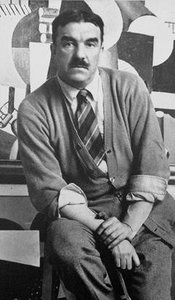
Fernand Léger
1881 - 1955 , Francia
Datos clave
- Artistas Influenciados Por: ['Pop Art']
- Artistas Que Influyeron:
- Cézanne
- Impresionismo
- Fecha De Nacimiento: 4 de febrero de 1881
- Lugar De Nacimiento: Argentan, Francia
- Movimiento Artístico:
- Cubismo
- Tubismo
- Nacionalidad: Francés
- Nombre Completo: Fernand Léger
- Obras Notables:
- La Mujer Sentada
- Elemento de Máquina
- El Gran Desfile
- Paisajes Animados
Artículos relacionados

Modern Geometry & Machine Age Beauty: A Collector's Guide to the Cubist Vision of Fernand Léger
Explore the profound geometric mastery of Fernand Léger. Discover how his 'Tubism' and Machine Age aesthetics redefined modern art, offering timeless inspiration for discerning collectors seeking to integrate Cubist dynamism into sophisticated contemporary interiors.


