Vista previa
 Compartir
 Compartir
 Ver detalles

 Descargar
 Ver similares
 Radiografía
 Presentación de diapositivas
Mural


 Leer más
Giclée / Impresión de arte
Impresiones giclée o en lienzo de calidad de museo con producción rápida y opciones de acabado flexibles. ( Comprar pintura hecha a mano Comprar imagen)




P118B $10

P118H $10

P118W $10

P438Z $10

P508JH $12

P508YH $12

P805H $10

P805Z $10

P919BZ $10

P919G $10

P919XJ $10

P959ZH $10

P968JZ $12

W106C $8

W218G $10

W218JH $8

W218Y $10

W307PJ $10

W316G $10

W316PJ $8

W316Y $10

W398PJ $8

W4111J $10

W500HY $15

W500JH $15

W692G $12

W849H $8

W940BG $15

W953PJ $8




Elija entre nuestros tamaños predefinidos que respetan las proporciones originales de la obra.

Puede introducir sus propias dimensiones para adaptarse a un marco o espacio específico. Si el tamaño seleccionado no coincide con las proporciones de la imagen original, recortaremos la obra de arte o extenderemos la imagen con un borde con efecto espejo o de color sólido. Se enviará una maqueta digital para su aprobación antes de que comience la producción.
Tenga en cuenta que la vista previa en pantalla no refleja el recorte o la extensión real. Solo la maqueta mostrará con precisión la composición final.
Aunque existen tamaños personalizados, recomendamos seleccionar una dimensión de la lista predefinida para preservar las proporciones originales.
Envío a todo el mundo () en 2 semanas en lugar de las 4/5 semanas estándar. (12 agosto)

Envío exprés gratuito a todo el mundo

Lienzo de lino de alta calidad

Seguro de envío completo

Garantía de reembolso de aranceles aduaneros

Garantía de fidelidad cromática exacta

Política de devolución de 60 días (solo por defectos)

Garantía de devolución del 100% del dinero

Oferta por volumen
 La opción de vidrio solo está disponible en tamaños inferiores a 110 cm.

Mural
Giclée / Impresión de arte
Tamaño de la reproducción
-


Precio total
$ 64
Descripción de la pieza
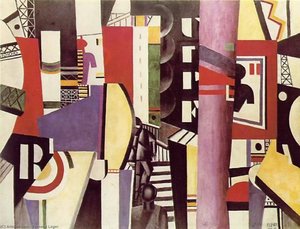
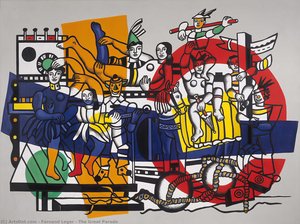
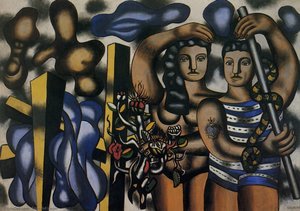
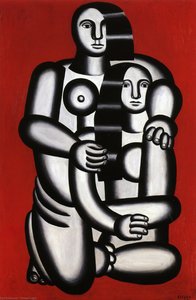
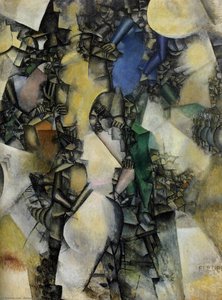
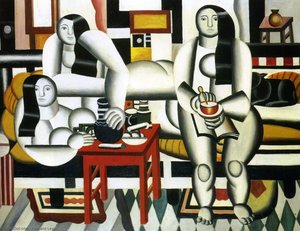
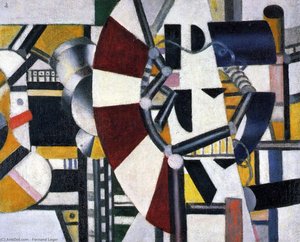
Fernand Léger’s Mural: A Symphony of Form and Movement
Fernand Léger's "Mural," completed in 1951, stands as an arresting embodiment of Cubist principles interwoven with a palpable fascination for the burgeoning machine age. Born Joseph Fernand Henri Léger in Argentan, Normandy, in 1881, Léger’s formative years amidst rural landscapes instilled a grounding appreciation for physicality that would later inform his groundbreaking artistic explorations. Rejecting the prevailing trend toward pure abstraction, Léger embarked on a daring endeavor to synthesize modernity – its relentless pace, its geometric precision – into a visual language simultaneously intellectually stimulating and emotionally resonant. This ambition propelled him from architectural studies towards painting in Paris around 1900, where he found patronage and collaborated with fellow avant-garde artists, establishing himself as a crucial voice within the Parisian artistic milieu.Cubist Foundations: Fragmented Perspectives
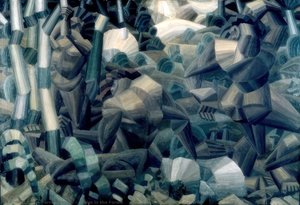
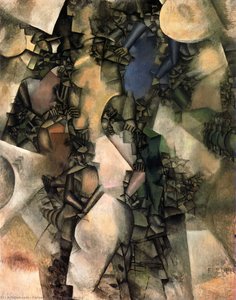
“Mural” exemplifies Léger’s unwavering commitment to Cubism's core tenets. Unlike Impressionists who sought to capture fleeting moments of light and color, Léger dissected subjects into fragmented planes—a technique pioneered by Picasso and Braque—presenting multiple viewpoints simultaneously. The resulting image isn’t a straightforward depiction but rather an orchestration of geometric shapes – cubes, cylinders, spheres – meticulously arranged to convey not just visual information but also the dynamism inherent in industrial processes. These forms overlap and intersect, creating a sense of instability and suggesting that reality itself is constantly shifting under scrutiny. Léger deliberately avoided smooth surfaces, favoring rough textures that mirrored the materiality of machines and reinforced the artwork’s connection to its historical context.The Palette of Industry: Color as Symbolic Gesture
Léger's color palette—primarily dominated by reds, yellows, and blues—is far from arbitrary; it serves as a deliberate symbolic gesture reflecting the industrial landscape of his time. Red signifies energy, passion, and perhaps even danger – mirroring the heat generated by factories and the urgency of technological advancement. Yellow embodies optimism and illumination, representing the promise of progress and highlighting Léger’s belief in the transformative power of innovation. Blues convey calmness and depth, hinting at the vastness of industrial spaces and subtly underscoring the artwork's contemplative quality despite its energetic composition. The careful selection of hues contributes significantly to the emotional impact of “Mural,” inviting viewers to contemplate both the beauty and complexity of the modern world.A Reflection of Postwar Anxiety
Created in 1951 shortly after World War II, "Mural" speaks to a broader cultural preoccupation with anxieties surrounding technological change and societal upheaval. Léger’s depiction of figures engaged in repetitive tasks—a motif recurring throughout his oeuvre—captures the pervasive sense of alienation experienced by many individuals during the postwar period. However, amidst this apprehension lies an undeniable affirmation of human creativity and resilience. The artwork's bold geometric forms and vibrant colors convey a defiant spirit, suggesting that despite facing daunting challenges, humanity can still find beauty and meaning in its surroundings. Léger’s vision transcends mere stylistic imitation; it embodies a profound engagement with the intellectual currents shaping the postwar era.Emotional Resonance: Capturing Movement and Rhythm
Ultimately, “Mural” succeeds in conveying an extraordinary emotional resonance—a palpable sense of movement and rhythm that draws viewers into its captivating visual universe. Léger’s masterful manipulation of perspective and texture creates a dynamic interplay between form and space, mirroring the ceaseless activity of industrial life. The artwork compels contemplation, prompting us to consider not only what we see but also how it feels. It's a testament to Léger’s ability to transform abstract concepts into emotionally charged images—a feat that continues to inspire artists and collectors alike. “Mural” remains an unforgettable masterpiece, securing its place as one of Fernand Léger’s most enduring achievements.Obras relacionadas


Biografía del artista
vida temprana y formación
fernand léger, un pintor, escultor y cineasta francés, nació el 4 de febrero de 1881 en Argentán, Orne, Baja Normandía. Su padre criaba ganado, y Léger inicialmente se formó como arquitecto de 1897 a 1899. Luego se mudó a París en 1900, ganándose la vida como dibujante arquitectónico.desarrollo artístico
El trabajo temprano de Léger estuvo influenciado por el impresionismo, como se ve en le jardin de ma mère (mi madre's garden) (1905). Después de asistir a la escuela de artes decorativas y la academia Julian, comenzó a trabajar seriamente como pintor a los 25 años. Su estilo evolucionó hacia una forma personal del cubismo, que los críticos denominaron "tubismo" por su énfasis en las formas cilíndricas.cubismo y el grupo puteaux
En 1910, Léger expuso en el salón de otoño junto a jean metzinger y henri le fauconnier. Se unió al grupo puteaux, también conocido como la sección dorada (la sección de oro), junto con otros artistas como francis picabia y marcel duchamp.guerra y su influencia en el trabajo de léger
Las experiencias de Léger en la Primera Guerra Mundial impactaron significativamente su obra. Durante su tiempo en el frente, produjo dibujos de piezas de artillería, aviones y soldados compañeros. Su pintura soldier with a pipe (1916) refleja este período.obra posterior y legado
La obra posterior de Léger, caracterizada por formas mecánicas y elegantes, lo vinculó a la tradición de la pintura figurativa francesa. Sus paisajes animados de 1921 mostraron figuras y animales en formas armoniosas y aerodinámicas.- ver obras de fernand léger en AllPaintingsStore
- más sobre fernand léger en wikipedia
- descubra el musée national fernand léger (francia) con AllPaintingsStore
- la mujer sentada (100 x 81 cm, tubismo)
- elemento de máquina (cubismo)
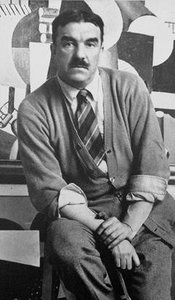
Fernand Léger
1881 - 1955 , Francia
Datos clave
- Artistas Influenciados Por: ['Pop Art']
- Artistas Que Influyeron:
- Cézanne
- Impresionismo
- Fecha De Nacimiento: 4 de febrero de 1881
- Lugar De Nacimiento: Argentan, Francia
- Movimiento Artístico:
- Cubismo
- Tubismo
- Nacionalidad: Francés
- Nombre Completo: Fernand Léger
- Obras Notables:
- La Mujer Sentada
- Elemento de Máquina
- El Gran Desfile
- Paisajes Animados
Artículos relacionados

The Energetic Canvas: Exploring Dynamic Composition in Art History & Contemporary Practice
Explore the history of dynamic composition in art, from Renaissance chiaroscuro to modern asymmetry. Learn how masterful artists used balance & symmetry – and what collectors should look for.

The Eloquence of Arrangement: Compositional Strategies in Western Art from the Renaissance to Modernism
Explore the evolution of compositional strategies in Western art! Discover how masters like Raphael & Zurbaran used perspective, proportion, and dynamic arrangement to create timeless masterpieces. Enhance your art appreciation today!

The Embodiment of Motion: Dynamic Composition & Energetic Expression in Art History
Explore the evolution of dynamic composition in art history – from chiaroscuro masters to abstract expressionism. Discover how artists like Kandinsky & Pollock embodied energy and movement on canvas. Expert insights for discerning collectors.

Crimson Threads of Narrative: Exploring Symbolism & Representation in Artworks Featuring the Red Dress
Explore the rich symbolism of the red dress in art history! From ancient power displays to iconic portraits like Cézanne’s 'Madame Cezanne', discover the cultural and artistic significance behind this captivating color. Expert analysis & insights.
John Singer Sargent: Las 25 Obras Maestras del Retrato y la Belle Époque | AllPaintingsStore
Descubre las 25 obras maestras de John Singer Sargent, el maestro del retrato y la Belle Époque. Explora su técnica impresionista, historias fascinantes y encuentra reproducciones de arte exclusivas para decorar tu hogar con elegancia en AllPaintingsStore.com.