Vista previa
 Compartir
 Compartir
 Ver detalles

 Descargar
 Ver similares
 Radiografía
 Presentación de diapositivas
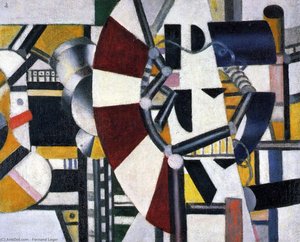
Stalingrad
 Acrylic On Canvas
- WallArt
- Naïve Art
 Modern
 16.0 x 13.0 cm
 Leer más
Giclée / Impresión de arte
Impresiones giclée o en lienzo de calidad de museo con producción rápida y opciones de acabado flexibles. ( Encargar reproducción pintada a mano Comprar descarga)




P118B $10

P118H $10

P118W $10

P438Z $10

P508JH $12

P508YH $12

P805H $10

P805Z $10

P919BZ $10

P919G $10

P919XJ $10

P959ZH $10

P968JZ $12

W106C $8

W218G $10

W218JH $8

W218Y $10

W307PJ $10

W316G $10

W316PJ $8

W316Y $10

W398PJ $8

W4111J $10

W500HY $15

W500JH $15

W692G $12

W849H $8

W940BG $15

W953PJ $8




Elija entre nuestros tamaños predefinidos que respetan las proporciones originales de la obra.

Puede introducir sus propias dimensiones para adaptarse a un marco o espacio específico. Si el tamaño seleccionado no coincide con las proporciones de la imagen original, recortaremos la obra de arte o extenderemos la imagen con un borde con efecto espejo o de color sólido. Se enviará una maqueta digital para su aprobación antes de que comience la producción.
Tenga en cuenta que la vista previa en pantalla no refleja el recorte o la extensión real. Solo la maqueta mostrará con precisión la composición final.
Aunque existen tamaños personalizados, recomendamos seleccionar una dimensión de la lista predefinida para preservar las proporciones originales.
Envío a todo el mundo () en 2 semanas en lugar de las 4/5 semanas estándar. (13 agosto)

Envío exprés gratuito a todo el mundo

Lienzo de lino de alta calidad

Seguro de envío completo

Garantía de reembolso de aranceles aduaneros

Garantía de fidelidad cromática exacta

Política de devolución de 60 días (solo por defectos)

Garantía de devolución del 100% del dinero

Oferta por volumen
 La opción de vidrio solo está disponible en tamaños inferiores a 110 cm.

Stalingrad
Giclée / Impresión de arte
Tamaño de la reproducción
-


Precio total
$ 64
Descripción de la pieza
A Vision of Mechanized Conflict: Fernand Léger’s Stalingrad
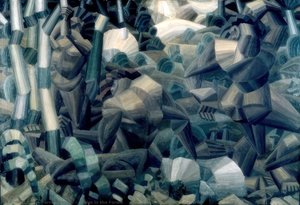
Stalingrad, created by Fernand Léger in 1954, stands as a striking embodiment of Naïve Art—a movement that deliberately eschewed academic conventions to prioritize direct observation and emotional expression. More than just a depiction of the brutal realities of World War II, Léger's canvas delves into profound questions about humanity’s relationship with technology and its impact on warfare. This artwork isn’t merely *seen*; it’s *felt*.Style and Technique: Embracing Simplicity
Léger’s approach to painting distinguishes itself from the prevailing artistic trends of his time. Rejecting illusionistic realism, he opted for a deliberately simplified visual language characterized by bold lines and flattened planes—a technique directly influenced by his fascination with industrial forms and machines. The artist employed a distinctive linear style, prioritizing geometric shapes – circles, squares, triangles – to construct the scene. These elements aren’t merely decorative; they actively convey movement and dynamism, mirroring the relentless pace of battle. Léger deliberately avoided shading and blending colors, favoring instead a palette of primary hues that heighten visual impact and reinforce the artwork's expressive power.Historical Context: The Siege of Stalingrad
Stalingrad served as a focal point for Nazi Germany’s ambitious offensive into Soviet territory during Operation Barbarossa in 1941-1942. The siege itself was marked by horrific conditions—constant bombardment, starvation, and relentless fighting—resulting in staggering casualties on both sides. Léger's painting captures this atmosphere of desperation and determination with remarkable acuity. It portrays a group of soldiers confronting the enemy amidst a chaotic landscape dominated by vehicles and architectural fragments – remnants of buildings destroyed during the siege. The artist’s intention wasn’t to offer a literal representation of the battle; rather, he sought to convey its psychological intensity—the courage, resilience, and unwavering spirit of those involved.Symbolism: Machines as Agents of Fate
The prominent presence of motorcycles and trucks within Stalingrad is laden with symbolic significance. Léger deliberately utilized these vehicles to represent not merely transportation but also the pervasive influence of machinery on human experience. They embody the unstoppable force of technological progress—a force that both threatens and empowers humanity. Furthermore, the geometric shapes composing the scene – circles, squares, triangles – symbolize stability and order amidst the turmoil of war. These forms serve as a counterpoint to the fragmented architectural ruins, highlighting the enduring values of human dignity and perseverance.Emotional Impact: A Powerful Meditation on Resilience
Ultimately, Stalingrad transcends its historical subject matter to become a profound meditation on the human condition—specifically, our capacity for courage and resilience in the face of adversity. Léger’s masterful use of line and color evokes a palpable sense of urgency and emotion, compelling viewers to confront the horrors of war while simultaneously celebrating the indomitable spirit of humanity. The artwork's stark simplicity underscores its emotional core, allowing it to resonate with audiences across generations—a testament to Léger’s enduring artistic legacy.Obras relacionadas


Biografía del artista
vida temprana y formación
fernand léger, un pintor, escultor y cineasta francés, nació el 4 de febrero de 1881 en Argentán, Orne, Baja Normandía. Su padre criaba ganado, y Léger inicialmente se formó como arquitecto de 1897 a 1899. Luego se mudó a París en 1900, ganándose la vida como dibujante arquitectónico.desarrollo artístico
El trabajo temprano de Léger estuvo influenciado por el impresionismo, como se ve en le jardin de ma mère (mi madre's garden) (1905). Después de asistir a la escuela de artes decorativas y la academia Julian, comenzó a trabajar seriamente como pintor a los 25 años. Su estilo evolucionó hacia una forma personal del cubismo, que los críticos denominaron "tubismo" por su énfasis en las formas cilíndricas.cubismo y el grupo puteaux
En 1910, Léger expuso en el salón de otoño junto a jean metzinger y henri le fauconnier. Se unió al grupo puteaux, también conocido como la sección dorada (la sección de oro), junto con otros artistas como francis picabia y marcel duchamp.guerra y su influencia en el trabajo de léger
Las experiencias de Léger en la Primera Guerra Mundial impactaron significativamente su obra. Durante su tiempo en el frente, produjo dibujos de piezas de artillería, aviones y soldados compañeros. Su pintura soldier with a pipe (1916) refleja este período.obra posterior y legado
La obra posterior de Léger, caracterizada por formas mecánicas y elegantes, lo vinculó a la tradición de la pintura figurativa francesa. Sus paisajes animados de 1921 mostraron figuras y animales en formas armoniosas y aerodinámicas.- ver obras de fernand léger en AllPaintingsStore
- más sobre fernand léger en wikipedia
- descubra el musée national fernand léger (francia) con AllPaintingsStore
- la mujer sentada (100 x 81 cm, tubismo)
- elemento de máquina (cubismo)
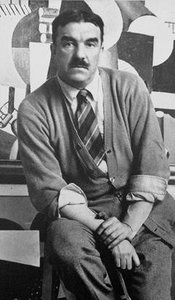
Fernand Léger
1881 - 1955 , Francia
Datos clave
- Artistas Influenciados Por: ['Pop Art']
- Artistas Que Influyeron:
- Cézanne
- Impresionismo
- Fecha De Nacimiento: 4 de febrero de 1881
- Lugar De Nacimiento: Argentan, Francia
- Movimiento Artístico:
- Cubismo
- Tubismo
- Nacionalidad: Francés
- Nombre Completo: Fernand Léger
- Obras Notables:
- La Mujer Sentada
- Elemento de Máquina
- El Gran Desfile
- Paisajes Animados
Artículos relacionados

Modern Geometry & Machine Age Beauty: A Collector's Guide to the Cubist Vision of Fernand Léger
Explore the profound geometric mastery of Fernand Léger. Discover how his 'Tubism' and Machine Age aesthetics redefined modern art, offering timeless inspiration for discerning collectors seeking to integrate Cubist dynamism into sophisticated contemporary interiors.

The Essence of Naïve Art: A Professional Guide to Unfiltered Creativity and Aesthetic Sincerity
Explore the profound beauty of Naïve Art. Discover its unique characteristics, historical significance, and how this unfiltered, sincere aesthetic can elevate professional interior design through high-quality, hand-painted reproductions.