- Inicio

- Impresión en lienzo
- Fernand Léger
- Study for Cinematic Mural, Study VI

 Vista previa
 Compartir
 Compartir
 Ver detalles

 Descargar
 Ver similares
 Radiografía
 Presentación automática
Study for Cinematic Mural, Study VI
 Acrylic On Canvas
- WallArt
- Cubism
 1938
1938 51.0 x 38.0 cm
 Leer más
Giclée / Impresión de arte
Impresiones giclée o en lienzo de calidad de museo con producción rápida y opciones de acabado flexibles. ( Cambiar a pintura hecha a mano Cambiar a imagen)




P118B $10

P118H $10

P118W $10

P438Z $10

P508JH $12

P508YH $12

P805H $10

P805Z $10

P919BZ $10

P919G $10

P919XJ $10

P959ZH $10

P968JZ $12

W106C $8

W218G $10

W218JH $8

W218Y $10

W307PJ $10

W316G $10

W316PJ $8

W316Y $10

W398PJ $8

W4111J $10

W500HY $15

W500JH $15

W692G $12

W849H $8

W940BG $15

W953PJ $8




Elija entre nuestros tamaños predefinidos que respetan las proporciones originales de la obra.

Puede introducir sus propias dimensiones para adaptarse a un marco o espacio específico. Si el tamaño seleccionado no coincide con las proporciones de la imagen original, recortaremos la obra de arte o extenderemos la imagen con un borde con efecto espejo o de color sólido. Se enviará una maqueta digital para su aprobación antes de que comience la producción.
Tenga en cuenta que la vista previa en pantalla no refleja el recorte o la extensión real. Solo la maqueta mostrará con precisión la composición final.
Aunque existen tamaños personalizados, recomendamos seleccionar una dimensión de la lista predefinida para preservar las proporciones originales.
Envío a todo el mundo () en 2 semanas en lugar de las 4/5 semanas estándar. (31 julio)

Envío exprés gratuito a todo el mundo

Lienzo de lino de alta calidad

Seguro de envío completo

Garantía de reembolso de aranceles aduaneros

Garantía de fidelidad cromática exacta

Política de devolución de 60 días (solo por defectos)

Garantía de devolución del 100% del dinero

Oferta por volumen
 La opción de vidrio solo está disponible en tamaños inferiores a 110 cm.

Study for Cinematic Mural, Study VI
Giclée / Impresión de arte
Tamaño de la reproducción
-


Precio total
$ 64
Detalles de la pieza
Fernand Léger’s Cinematic Staircase: A Study in Form and Modernity
The painting “Study for Cinematic Mural, Study VI” by Fernand Léger is more than just an image; it's a crystallized moment of artistic experimentation that embodies the anxieties and aspirations of the interwar years. Executed in 1938-39 during Léger’s prolific output—a period marked by his fervent engagement with Surrealism alongside his unwavering dedication to exploring the visual language of industrial progress—this gouache and pencil on board composition offers a fascinating glimpse into Léger's evolving artistic sensibilities.A Bold Departure from Impressionism
Léger’s stylistic trajectory began in the early 1900s, influenced by Cubism’s fragmentation of perspective and Picasso’s exploration of geometric abstraction. However, unlike many artists of his time who sought to distill emotion into pure color, Léger deliberately rejected sentimentality. Instead, he championed a rigorously analytical approach—a conviction that form itself could convey meaning. This stance firmly positioned him outside the prevailing aesthetic currents of Impressionism and Post-Impressionism, establishing him as a pioneer of Constructivism and Surrealist tendencies.Geometric Precision Meets Organic Texture
The painting’s visual impact derives from Léger's masterful manipulation of geometric shapes—primarily rectilinear forms representing the staircase—combined with textured surfaces achieved through layering gouache pigment. The stark contrast between these elements isn’t merely decorative; it underscores Léger’s preoccupation with capturing the essence of industrial machinery and urban landscapes. Notice how the pencil lines delineate contours, providing structural stability while simultaneously hinting at underlying movement. The gouache lends a palpable physicality to the scene, imbuing it with an almost sculptural quality.The Symbolism of Ascent and Disruption
Beyond its formal considerations, “Study for Cinematic Mural” carries symbolic weight. The staircase itself represents aspiration, progress, and upward mobility—themes central to Léger’s vision of a mechanized future. Yet, the fractured geometry disrupts this idealized image, mirroring the anxieties surrounding societal upheaval during the period leading up to World War II. The inclusion of objects like the clock and bottle serves as visual anchors, grounding the composition in recognizable elements while simultaneously hinting at the complexities of everyday life amidst technological advancement. Léger’s deliberate use of these symbols invites contemplation on humanity's relationship with machinery and its potential impact on human experience.Emotional Resonance: A Quiet Tension
Despite Léger’s rejection of expressive color, “Study for Cinematic Mural” possesses a subtle emotional resonance. The muted palette—primarily shades of gray and ochre—creates an atmosphere of quiet tension. The figures depicted on the stairs appear detached, almost robotic, reflecting Léger's fascination with the dehumanizing effects of industrialization. However, there’s also a sense of determination in their posture, suggesting resilience amidst uncertainty. Ultimately, Léger compels us to confront not only the visual spectacle of modern life but also its psychological implications—a challenge that continues to resonate powerfully today.- Artist: Fernand Léger
- Year: 1938–39
- Medium: Gouache and Pencil on Board
- Dimensions: 51 x 38 cm
- Location: MoMA Collection
Obras relacionadas


Biografía del artista
vida temprana y formación
fernand léger, un pintor, escultor y cineasta francés, nació el 4 de febrero de 1881 en Argentán, Orne, Baja Normandía. Su padre criaba ganado, y Léger inicialmente se formó como arquitecto de 1897 a 1899. Luego se mudó a París en 1900, ganándose la vida como dibujante arquitectónico.desarrollo artístico
El trabajo temprano de Léger estuvo influenciado por el impresionismo, como se ve en le jardin de ma mère (mi madre's garden) (1905). Después de asistir a la escuela de artes decorativas y la academia Julian, comenzó a trabajar seriamente como pintor a los 25 años. Su estilo evolucionó hacia una forma personal del cubismo, que los críticos denominaron "tubismo" por su énfasis en las formas cilíndricas.cubismo y el grupo puteaux
En 1910, Léger expuso en el salón de otoño junto a jean metzinger y henri le fauconnier. Se unió al grupo puteaux, también conocido como la sección dorada (la sección de oro), junto con otros artistas como francis picabia y marcel duchamp.guerra y su influencia en el trabajo de léger
Las experiencias de Léger en la Primera Guerra Mundial impactaron significativamente su obra. Durante su tiempo en el frente, produjo dibujos de piezas de artillería, aviones y soldados compañeros. Su pintura soldier with a pipe (1916) refleja este período.obra posterior y legado
La obra posterior de Léger, caracterizada por formas mecánicas y elegantes, lo vinculó a la tradición de la pintura figurativa francesa. Sus paisajes animados de 1921 mostraron figuras y animales en formas armoniosas y aerodinámicas.- ver obras de fernand léger en AllPaintingsStore
- más sobre fernand léger en wikipedia
- descubra el musée national fernand léger (francia) con AllPaintingsStore
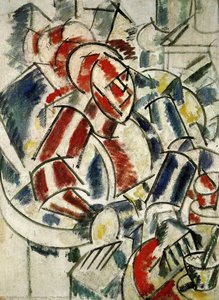
- la mujer sentada (100 x 81 cm, tubismo)
- elemento de máquina (cubismo)
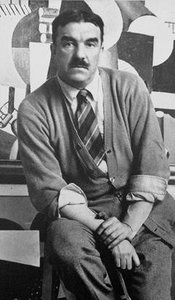
Fernand Léger
1881 - 1955 , Francia
Datos clave
- Artistas Influenciados Por: ['Pop Art']
- Artistas Que Influyeron:
- Cézanne
- Impresionismo
- Fecha De Nacimiento: 4 de febrero de 1881
- Lugar De Nacimiento: Argentan, Francia
- Movimiento Artístico:
- Cubismo
- Tubismo
- Nacionalidad: Francés
- Nombre Completo: Fernand Léger
- Obras Notables:
- La Mujer Sentada
- Elemento de Máquina
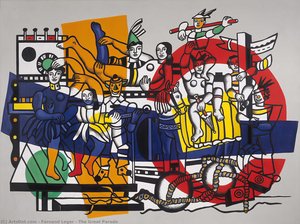
- El Gran Desfile
- Paisajes Animados
Artículos relacionados
El Amanecer de una Nueva Visión: Explorando el Legado Duradero del Modernismo Temprano en el Arte
Descubre el legado del Modernismo en el arte: desde sus raíces románticas hasta su influencia en las vanguardias. Análisis de artistas, temas y técnicas clave. ¡Explora la belleza atemporal con AllPaintingsStore!

Arte Industrial: 10 Obras Maestras para un Hogar con Carácter | AllPaintingsStore.com
Descubre 10 obras maestras que capturan la esencia del arte industrial. Explora la historia de Van Gogh, Hopper y Klimt, sus técnicas y paletas. Encuentra lienzos perfectos para un hogar con carácter en AllPaintingsStore.com.

The Dawn of Modernity: Artistic Responses to a Pivotal Year – 1913
Explore the revolutionary art of 1913 – a pivotal year for Modernism. Discover Cubist masterpieces, Russian Avant-Garde pioneers & key artists shaping a new era. Expert insights for discerning collectors.

Beyond Form & Color: Geometric Abstraction's Evolution in 20th/21st Century Art
Explore the evolution of geometric abstraction from Cubism to contemporary art. Discover key artists like Malevich & Mondrian, investment insights, and expert collecting advice at AllPaintingsStore.

Abstracción Geométrica: 10 Obras Maestras que Transformaron el Arte Moderno | AllPaintingsStore
Descubre las 10 obras maestras de la abstracción geométrica que revolucionaron el arte moderno. Explora a Mondrian, Malevich y Kandinsky en AllPaintingsStore.com. Reproducciones de alta calidad para tu hogar.