


 Ver en contexto
 Enviar
 Compartir
 Detalles

 Descargar
 Similares
 Radiografía
 Presentación de diapositivas
Study for the Circus
 Acrylic
- WallArt
- Primitive Geometric Abstraction
 1949
1949 50.0 x 32.0 cm
 Ver más
Reproducción al óleo hecha a mano
Óleo sobre lienzo pintado a mano en el tamaño y marco de su elección, realizado por encargo por nuestros artistas. ( Comprar impresión Comprar imagen)




P118B $10

P118H $10

P118W $10

P438Z $10

P508JH $12

P508YH $12

P805H $10

P805Z $10

P919BZ $10

P919G $10

P919XJ $10

P959ZH $10

P968JZ $12

W106C $8

W218G $10

W218JH $8

W218Y $10

W307PJ $10

W316G $10

W316PJ $8

W316Y $10

W398PJ $8

W4111J $10

W500HY $15

W500JH $15

W692G $12

W849H $8

W940BG $15

W953PJ $8




Elija entre nuestros tamaños predefinidos que respetan las proporciones originales de la obra.

Puede ingresar sus propias dimensiones para adaptarse a un marco o espacio específico. Si el tamaño seleccionado no coincide con las proporciones de la imagen original, recortaremos la obra o extenderemos la pintura con elementos adicionales pintados a mano. Se le enviará una maqueta digital para su aprobación antes de comenzar la producción.
Tenga en cuenta que la vista previa en pantalla no refleja el recorte o la extensión reales. Solo la maqueta mostrará con precisión la composición final.
Si bien existen tamaños personalizados, recomendamos seleccionar una dimensión de la lista predefinida para preservar las proporciones originales.
Tras realizar el pedido, el equipo de AllPaintingsStore.com enviará un correo electrónico al cliente para solicitar instrucciones y proporcionarle una vista previa del boceto.
Envío a todo el mundo () en 3-4 semanas en lugar de las 5 semanas estándar. (22 agosto). Sin comprometer la calidad.

Envío exprés gratuito a todo el mundo

Lienzo de lino de alta calidad

Seguro de envío total

Garantía de reembolso de impuestos aduaneros

Garantía de fidelidad cromática exacta

Política de devolución de 60 días (solo por defectos)

Garantía de devolución del 100% del dinero

Descuento por cantidad
 La opción de vidrio solo está disponible en tamaños inferiores a 110 cm.

Study for the Circus
Técnica de reproducción
Dimensiones de la reproducción
-


Precio total final
$ 258
Descripción de la obra
A Study in Rhythm and Rustic Echoes: Exploring Fernand Léger’s “Study for the Circus”
Fernand Léger's "Study for the Circus," painted in 1949, isn’t merely a depiction of figures; it’s an embodiment of Léger’s singular artistic philosophy – a fusion of geometric abstraction and observation of everyday life. This unassuming canvas, measuring 50 x 32 cm, holds within its monochrome palette a profound resonance with the burgeoning spirit of post-war Europe and Léger's unwavering fascination with the influence of industrial machinery on human experience.The Naive Art Aesthetic: Embracing Primitive Simplicity
The painting’s stylistic approach aligns powerfully with the tenets of naive art or primitivism, movements that championed unfiltered emotion and direct representation divorced from academic conventions. Unlike Impressionists striving to capture fleeting moments of light and color, Léger deliberately eschewed subtlety in favor of bold shapes and simplified forms—a conscious decision to reject the complexities of Western artistic tradition. This stylistic choice isn’t accidental; it reflects Léger's deep connection to Cézanne and Picasso, artists who similarly sought to distill visual experience into its essential elements. The resulting image possesses a captivating immediacy, inviting viewers to contemplate the human figure not as idealized beauty but as active participant in a dynamic environment.Geometric Forms and Industrial Influence: Decoding Léger’s Visual Language
Léger's technique is characterized by a deliberate flattening of perspective—a hallmark of geometric abstraction—where figures appear to exist on a single plane, emphasizing their structural integrity. The repetition of angular shapes – circles, squares, rectangles – dominates the composition, mirroring the rhythmic patterns found in industrial landscapes and machinery. These forms aren’t merely decorative; they symbolize Léger's belief that human beings are fundamentally shaped by the forces of technology and urbanization. Consider the positioning of the figures: some stand upright, conveying stability and resilience, while others lie down, suggesting vulnerability and repose—a subtle interplay of opposing energies mirroring the tensions inherent in modern life.Historical Context: Post-War Reflection and Artistic Rebellion
Painted shortly after World War II, “Study for the Circus” speaks to a broader cultural preoccupation with rebuilding society amidst the devastation of conflict. Léger’s rejection of traditional artistic styles represents an act of defiance against the perceived constraints of the past, asserting instead a vision of progress rooted in embracing new forms of expression. The circus itself served as a potent symbol during this period – representing spectacle, illusion, and escape from grim realities—themes that resonate deeply within Léger's artwork. It’s a piece that captures not just a visual scene but also the psychological landscape of an era grappling with trauma and striving for renewal.Emotional Resonance: A Quiet Assertion of Humanity
Despite its austere aesthetic, “Study for the Study for the Circus” exudes a palpable sense of energy and vitality. The monochrome palette amplifies the impact of the geometric forms, creating a visual experience that is both calming and stimulating simultaneously. More than just an image, it’s an invitation to contemplate the human condition—to recognize our inherent capacity for resilience and adaptability in the face of adversity. Léger's masterful simplification of form allows viewers to focus on the essence of human presence, conveying a quiet assertion of humanity amidst the pervasive influence of industrial civilization. This reproduction offers a beautiful opportunity to bring this seminal artwork into your home or studio—a testament to Léger’s enduring legacy as one of modern art’s most innovative voices.Obras relacionadas


Biografía del artista
vida temprana y formación
fernand léger, un pintor, escultor y cineasta francés, nació el 4 de febrero de 1881 en Argentán, Orne, Baja Normandía. Su padre criaba ganado, y Léger inicialmente se formó como arquitecto de 1897 a 1899. Luego se mudó a París en 1900, ganándose la vida como dibujante arquitectónico.desarrollo artístico
El trabajo temprano de Léger estuvo influenciado por el impresionismo, como se ve en le jardin de ma mère (mi madre's garden) (1905). Después de asistir a la escuela de artes decorativas y la academia Julian, comenzó a trabajar seriamente como pintor a los 25 años. Su estilo evolucionó hacia una forma personal del cubismo, que los críticos denominaron "tubismo" por su énfasis en las formas cilíndricas.cubismo y el grupo puteaux
En 1910, Léger expuso en el salón de otoño junto a jean metzinger y henri le fauconnier. Se unió al grupo puteaux, también conocido como la sección dorada (la sección de oro), junto con otros artistas como francis picabia y marcel duchamp.guerra y su influencia en el trabajo de léger
Las experiencias de Léger en la Primera Guerra Mundial impactaron significativamente su obra. Durante su tiempo en el frente, produjo dibujos de piezas de artillería, aviones y soldados compañeros. Su pintura soldier with a pipe (1916) refleja este período.obra posterior y legado
La obra posterior de Léger, caracterizada por formas mecánicas y elegantes, lo vinculó a la tradición de la pintura figurativa francesa. Sus paisajes animados de 1921 mostraron figuras y animales en formas armoniosas y aerodinámicas.- ver obras de fernand léger en AllPaintingsStore
- más sobre fernand léger en wikipedia
- descubra el musée national fernand léger (francia) con AllPaintingsStore
- la mujer sentada (100 x 81 cm, tubismo)
- elemento de máquina (cubismo)
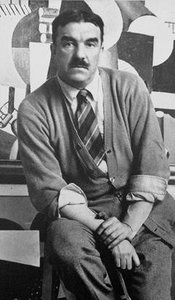
Fernand Léger
1881 - 1955 , Francia
Datos clave
- Artistas Influenciados Por: ['Pop Art']
- Artistas Que Influyeron:
- Cézanne
- Impresionismo
- Fecha De Nacimiento: 4 de febrero de 1881
- Lugar De Nacimiento: Argentan, Francia
- Movimiento Artístico:
- Cubismo
- Tubismo
- Nacionalidad: Francés
- Nombre Completo: Fernand Léger
- Obras Notables:
- La Mujer Sentada
- Elemento de Máquina
- El Gran Desfile
- Paisajes Animados
Artículos relacionados

Neo-Abstract Art Trend Forecast: High-Impact Geometric Compositions for Contemporary Commercial Interiors
Elevate commercial interiors with Neo-Abstract art. Discover how high-impact geometric compositions and custom oil reproductions provide scalable, sophisticated design solutions for hotels, restaurants, and corporate spaces. Expert procurement for large-scale hospitality projects.


