


 Vista previa
 Compartir
 Compartir
 Ver detalles
 Guía
Guía

 Descargar
 Ver artículos similares
 Radiografía
 Presentación de diapositivas
 Estadísticas
Sunflowers
 Acrylic
- WallArt
- Geometric Abstraction
 1954
1954 50.0 x 49.0 cm
 Leer más
Reproducción al óleo hecha a mano
Óleo sobre lienzo pintado a mano en el tamaño y marco de su elección, realizado por encargo por nuestros artistas. ( Cambiar a formato impreso Ver versión en imagen digital)




P118B €10

P118H €10

P118W €10

P438Z €10

P508JH €12

P508YH €12

P805H €10

P805Z €10

P919BZ €10

P919G €10

P919XJ €10

P959ZH €10

P968JZ €12

W106C €8

W218G €10

W218JH €8

W218Y €10

W307PJ €10

W316G €10

W316PJ €8

W316Y €10

W398PJ €8

W4111J €10

W500HY €15

W500JH €15

W692G €12

W849H €8

W940BG €15

W953PJ €8




Elija entre nuestros tamaños predefinidos que respetan las proporciones originales de la obra.

Escriba el ancho y el alto que necesite para adaptarse a su marco o a su pared. Al ser una obra pintada a mano, para un tamaño con una forma distinta, el artista puede pintar un poco más alrededor de la imagen o recortar un poco; usted elige. Le enviaremos una maqueta digital para su aprobación antes de comenzar la pintura. La imagen que se muestra en esta página no refleja el resultado real; solo la maqueta lo hace.
Tras realizar el pedido, el equipo de AllPaintingsStore.com enviará un correo electrónico al cliente para solicitar instrucciones y proporcionarle una vista previa del boceto.
Envío a todo el mundo () en 3-4 semanas en lugar de las 5 semanas estándar. (24 octubre). Sin comprometer la calidad.

Envío exprés gratuito a todo el mundo

Lienzo de lino de alta calidad

Seguro de envío completo

Garantía de reembolso de impuestos aduaneros

Garantía de fidelidad cromática exacta

Política de devolución de 100 días (solo por defectos)

Garantía de devolución del 100% del dinero

Oferta por volumen
 La opción de vidrio solo está disponible en tamaños inferiores a 110 cm.

Sunflowers
Técnica de reproducción
Tamaño de la reproducción
-


Precio total
€ 226
A Symphony of Yellow and Black: Exploring Fernand Léger’s “Sunflowers”
The painting "Sunflowers" by Fernand Léger, completed in 1954, isn't merely a depiction of flowers; it’s an embodiment of Léger’s groundbreaking approach to modern art – a fusion of geometric abstraction with the tangible realities of industrial life. This striking composition captures the essence of Léger’s artistic philosophy: to translate the rhythms and forms of the machine age into a visual language that retains a profound connection to nature.- Subject Matter & Composition: Léger's sunflowers aren’t presented in traditional botanical realism. Instead, he employs simplified geometric shapes – circles and squares – to represent individual flower heads and their surrounding stems. The arrangement is deliberately asymmetrical, mirroring the dynamism inherent in industrial processes and rejecting the static harmony favored by earlier artistic movements.
- Style & Technique: Léger’s style aligns firmly with Constructivism, a movement born from the Russian Revolution that championed abstraction as a tool for social reform. He utilized bold, flat planes of color – predominantly yellow – accented by black lines and squares to create a textured surface reminiscent of industrial materials like metal and concrete. This technique deliberately avoids blending colors, emphasizing visual impact and conveying a sense of solidity.
Historical Context: The Machine Age Aesthetic
The painting emerged during the mid-century period when Léger was actively engaged in exploring the influence of technology on human experience. Following World War I, Léger witnessed firsthand the transformative effects of industrialization and urbanization on European society. Artists like Léger responded to this shift by rejecting Impressionistic notions of fleeting beauty and embracing instead a more assertive visual language that reflected the dominant forces shaping their time. Léger’s sunflowers serve as a powerful symbol of this era – representing not just floral splendor but also the enduring presence of natural forms within an increasingly mechanized world.Symbolism Beyond Representation
While seemingly devoid of traditional symbolic references, Léger's “Sunflowers” carries significant metaphorical weight. The yellow color itself symbolizes optimism and vitality, mirroring the energy of sunlight and the promise of renewal. However, it’s juxtaposed with black – representing darkness, solidity, and industrial strength – creating a tension that underscores Léger’s core artistic concern: how can we reconcile the beauty of nature with the realities of technological progress? The geometric forms aren't simply decorative; they represent an attempt to distill complex concepts into fundamental visual elements.Emotional Impact & Artistic Legacy
Ultimately, Léger’s “Sunflowers” transcends mere aesthetic pleasure. It compels viewers to contemplate the relationship between humanity and its environment in a rapidly changing world. The painting's bold colors and assertive lines evoke a feeling of dynamism and resilience – mirroring Léger’s belief that art could inspire social transformation. More than just a beautiful image, it stands as a testament to Léger’s pioneering vision: demonstrating that abstraction can be both intellectually stimulating and emotionally resonant, securing his place as one of the most influential artists of the 20th century.Preguntas y respuestas
¿Quién creó "Sunflowers"?
El artista detrás de "Sunflowers" es Fernand Léger. La obra está catalogada bajo el nombre de Fernand Léger.
¿Cómo se encuentran el movimiento y la época en "Sunflowers" de Fernand Léger?
"Sunflowers" pertenece al movimiento Geometric Abstraction, y su creador trabajó en la época Edad Moderna.
¿Dónde puedo comprar una lámina de "Sunflowers" de Fernand Léger?
"Sunflowers" está disponible como una impresión de bellas artes sobre lienzo de algodón o papel de lienzo de archivo. Los pedidos se realizan en su página Impresión de bellas artes, en el tamaño de su elección.
Obras relacionadas


Biografía del artista
vida temprana y formación
fernand léger, un pintor, escultor y cineasta francés, nació el 4 de febrero de 1881 en Argentán, Orne, Baja Normandía. Su padre criaba ganado, y Léger inicialmente se formó como arquitecto de 1897 a 1899. Luego se mudó a París en 1900, ganándose la vida como dibujante arquitectónico.desarrollo artístico
El trabajo temprano de Léger estuvo influenciado por el impresionismo, como se ve en le jardin de ma mère (mi madre's garden) (1905). Después de asistir a la escuela de artes decorativas y la academia Julian, comenzó a trabajar seriamente como pintor a los 25 años. Su estilo evolucionó hacia una forma personal del cubismo, que los críticos denominaron "tubismo" por su énfasis en las formas cilíndricas.cubismo y el grupo puteaux
En 1910, Léger expuso en el salón de otoño junto a jean metzinger y henri le fauconnier. Se unió al grupo puteaux, también conocido como la sección dorada (la sección de oro), junto con otros artistas como francis picabia y marcel duchamp.guerra y su influencia en el trabajo de léger
Las experiencias de Léger en la Primera Guerra Mundial impactaron significativamente su obra. Durante su tiempo en el frente, produjo dibujos de piezas de artillería, aviones y soldados compañeros. Su pintura soldier with a pipe (1916) refleja este período.obra posterior y legado
La obra posterior de Léger, caracterizada por formas mecánicas y elegantes, lo vinculó a la tradición de la pintura figurativa francesa. Sus paisajes animados de 1921 mostraron figuras y animales en formas armoniosas y aerodinámicas.- ver obras de fernand léger en AllPaintingsStore
- más sobre fernand léger en wikipedia
- descubra el musée national fernand léger (francia) con AllPaintingsStore
- la mujer sentada (100 x 81 cm, tubismo)
- elemento de máquina (cubismo)
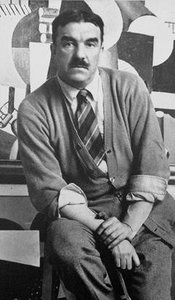
Fernand Léger
1881 - 1955 , Francia
Datos clave
- Artistas Influenciados Por: ['Pop Art']
- Artistas Que Influyeron:
- Cézanne
- Impresionismo
- Fecha De Nacimiento: 4 de febrero de 1881
- Lugar De Nacimiento: Argentan, Francia
- Movimiento Artístico:
- Cubismo
- Tubismo
- Nacionalidad: Francés
- Nombre Completo: Fernand Léger
- Obras Notables:
- La Mujer Sentada
- Elemento de Máquina
- El Gran Desfile
- Paisajes Animados
Artículos relacionados

The Enduring Legacy of Oil on Canvas: Technique, History & Aesthetic Impact
Explore the rich history & techniques of oil painting – from Renaissance masters to Impressionism. Discover pigments, layering methods, and why this timeless medium endures. Expert insights for artists & art enthusiasts.

Neo-Abstract Art: The High-Impact Evolution of Modern Visual Energy and Geometric Sophistication
Discover the power of Neo-Abstract art. Explore how bold geometric forms and high-impact visual energy are redefining modern design. Learn to curate sophisticated, high-energy spaces with the latest trends in contemporary abstraction and structural color.

Abstracción Geométrica: 10 Obras Maestras que Transformaron el Arte Moderno | AllPaintingsStore
Descubre las 10 obras maestras de la abstracción geométrica que revolucionaron el arte moderno. Explora a Mondrian, Malevich y Kandinsky en AllPaintingsStore.com. Reproducciones de alta calidad para tu hogar.

Kandinsky: Las 25 Obras Maestras del Pionero de la Abstracción | AllPaintingsStore
Descubre las 25 obras maestras de Wassily Kandinsky, pionero del arte abstracto. Explora su expresionismo, composiciones únicas y la historia detrás de cada cuadro. Reproducciones de alta calidad para decorar tu hogar con arte moderno en AllPaintingsStore.com.

Beyond Form & Color: Geometric Abstraction's Evolution in 20th/21st Century Art
Explore the evolution of geometric abstraction from Cubism to contemporary art. Discover key artists like Malevich & Mondrian, investment insights, and expert collecting advice at AllPaintingsStore.


