


 Vista previa
 Compartir
 Compartir
 Ver detalles

 Descargar
 Ver similares
 Radiografía
 Presentación de diapositivas
The Big Parade


 Leer más
Giclée / Impresión de arte
Impresiones giclée o en lienzo de calidad de museo con producción rápida y opciones de acabado flexibles. ( Encargar reproducción pintada a mano Comprar descarga)




P118B $10

P118H $10

P118W $10

P438Z $10

P508JH $12

P508YH $12

P805H $10

P805Z $10

P919BZ $10

P919G $10

P919XJ $10

P959ZH $10

P968JZ $12

W106C $8

W218G $10

W218JH $8

W218Y $10

W307PJ $10

W316G $10

W316PJ $8

W316Y $10

W398PJ $8

W4111J $10

W500HY $15

W500JH $15

W692G $12

W849H $8

W940BG $15

W953PJ $8




Elija entre nuestros tamaños predefinidos que respetan las proporciones originales de la obra.

Puede introducir sus propias dimensiones para adaptarse a un marco o espacio específico. Si el tamaño seleccionado no coincide con las proporciones de la imagen original, recortaremos la obra de arte o extenderemos la imagen con un borde con efecto espejo o de color sólido. Se enviará una maqueta digital para su aprobación antes de que comience la producción.
Tenga en cuenta que la vista previa en pantalla no refleja el recorte o la extensión real. Solo la maqueta mostrará con precisión la composición final.
Aunque existen tamaños personalizados, recomendamos seleccionar una dimensión de la lista predefinida para preservar las proporciones originales.
Envío a todo el mundo () en 2 semanas en lugar de las 4/5 semanas estándar. (22 agosto)

Envío exprés gratuito a todo el mundo

Lienzo de lino de alta calidad

Seguro de envío completo

Garantía de reembolso de aranceles aduaneros

Garantía de fidelidad cromática exacta

Política de devolución de 60 días (solo por defectos)

Garantía de devolución del 100% del dinero

Oferta por volumen
 La opción de vidrio solo está disponible en tamaños inferiores a 110 cm.

The Big Parade
Giclée / Impresión de arte
Tamaño de la reproducción
-


Precio total
$ 64
Descripción de la pieza
A Symphony of Form: Unpacking Fernand Léger’s “The Big Parade”
Fernand Léger's 1954 painting, "The Big Parade," is more than just a depiction of a group gathering; it’s a vibrant manifesto of the modern age. Captured with bold colors and dynamic lines in a distinctive Cubist style, the artwork pulsates with an energy that reflects Léger’s fascination with industrialization and its impact on human experience. The scene unfolds with at least thirteen figures arranged in a lively tableau, some clustered closely together, others dispersed across the canvas, creating a sense of controlled chaos – a visual representation of urban life in the mid-20th century.
- Subject and Composition: The painting’s subject matter is deliberately ambiguous. It isn't a specific event but rather an evocation of social interaction, mirroring the bustling crowds and diverse populations found in rapidly modernizing cities. Léger masterfully employs geometric forms to break down individual figures into their constituent parts, presenting them as fragmented yet interconnected elements within a larger composition.
- Cubist Influence & Technique: Léger’s approach is firmly rooted in Cubism, particularly Synthetic Cubism, which emerged after his initial explorations of Analytical Cubism. He utilizes flattened planes, overlapping forms, and multiple perspectives to create a sense of depth and movement. The bright, almost jarring, color palette – reds, blues, yellows, and greens – further amplifies this dynamism, reflecting the artificial light and vibrant hues often associated with urban environments.
- The Clock as Symbol: A prominent clock on the left side of the canvas adds a layer of symbolic complexity. Clocks represent time, order, and the relentless march forward—themes central to Léger’s exploration of modernity. Its inclusion suggests a commentary on the impact of industrialization on human rhythms and the increasing pressure of modern life.
The Artist's Vision: Léger and the Machine Age
Born Joseph Fernand Henri Léger in 1881 in Argentan, Normandy, Léger’s artistic journey was profoundly shaped by his upbringing amidst the rural landscapes of France. This early exposure to physical labor – particularly farming – provided a crucial counterpoint to his later fascination with machines and industrial forms. He initially studied architecture but quickly transitioned to painting, driven by a desire to translate the visual language of the machine age onto canvas. Léger wasn't simply depicting machinery; he was attempting to capture its essence—its power, its geometry, and its transformative influence on human society.
Léger’s work reflects a broader cultural shift occurring in Europe during the early 20th century. The rise of industrialization, urbanization, and technological advancements were fundamentally altering people's lives, and Léger sought to visually represent these changes through his distinctive artistic style. His paintings are often described as “machine-made,” reflecting his belief that art should reflect the realities of modern life.
Symbolism and Emotional Impact
"The Big Parade" resonates with a powerful emotional impact, conveying a sense of both excitement and unease. The fragmented figures suggest a loss of individual identity within the mass society, while their collective presence hints at a shared experience—a feeling of belonging or perhaps even alienation. Léger’s bold use of color and dynamic composition creates a visually stimulating experience that invites viewers to contemplate the complexities of modern life.
The painting's enduring appeal lies in its ability to capture a pivotal moment in human history – the transition from rural traditions to an increasingly mechanized world. It is a testament to Léger’s artistic vision and his willingness to embrace the challenges and opportunities presented by modernity, making "The Big Parade" a significant work within the canon of 20th-century art.
Obras relacionadas


Biografía del artista
vida temprana y formación
fernand léger, un pintor, escultor y cineasta francés, nació el 4 de febrero de 1881 en Argentán, Orne, Baja Normandía. Su padre criaba ganado, y Léger inicialmente se formó como arquitecto de 1897 a 1899. Luego se mudó a París en 1900, ganándose la vida como dibujante arquitectónico.desarrollo artístico
El trabajo temprano de Léger estuvo influenciado por el impresionismo, como se ve en le jardin de ma mère (mi madre's garden) (1905). Después de asistir a la escuela de artes decorativas y la academia Julian, comenzó a trabajar seriamente como pintor a los 25 años. Su estilo evolucionó hacia una forma personal del cubismo, que los críticos denominaron "tubismo" por su énfasis en las formas cilíndricas.cubismo y el grupo puteaux
En 1910, Léger expuso en el salón de otoño junto a jean metzinger y henri le fauconnier. Se unió al grupo puteaux, también conocido como la sección dorada (la sección de oro), junto con otros artistas como francis picabia y marcel duchamp.guerra y su influencia en el trabajo de léger
Las experiencias de Léger en la Primera Guerra Mundial impactaron significativamente su obra. Durante su tiempo en el frente, produjo dibujos de piezas de artillería, aviones y soldados compañeros. Su pintura soldier with a pipe (1916) refleja este período.obra posterior y legado
La obra posterior de Léger, caracterizada por formas mecánicas y elegantes, lo vinculó a la tradición de la pintura figurativa francesa. Sus paisajes animados de 1921 mostraron figuras y animales en formas armoniosas y aerodinámicas.- ver obras de fernand léger en AllPaintingsStore
- más sobre fernand léger en wikipedia
- descubra el musée national fernand léger (francia) con AllPaintingsStore
- la mujer sentada (100 x 81 cm, tubismo)
- elemento de máquina (cubismo)
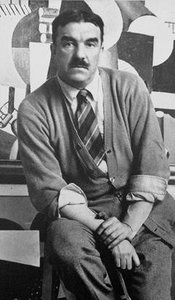
Fernand Léger
1881 - 1955 , Francia
Datos clave
- Artistas Influenciados Por: ['Pop Art']
- Artistas Que Influyeron:
- Cézanne
- Impresionismo
- Fecha De Nacimiento: 4 de febrero de 1881
- Lugar De Nacimiento: Argentan, Francia
- Movimiento Artístico:
- Cubismo
- Tubismo
- Nacionalidad: Francés
- Nombre Completo: Fernand Léger
- Obras Notables:
- La Mujer Sentada
- Elemento de Máquina
- El Gran Desfile
- Paisajes Animados
Artículos relacionados

Modern Geometry & Machine Age Beauty: A Collector's Guide to the Cubist Vision of Fernand Léger
Explore the profound geometric mastery of Fernand Léger. Discover how his 'Tubism' and Machine Age aesthetics redefined modern art, offering timeless inspiration for discerning collectors seeking to integrate Cubist dynamism into sophisticated contemporary interiors.


