


 Compartir
 Compartir
 Ver detalles
 Guía
Guía

 Descargar
 Ver artículos similares
 Presentación de diapositivas
 Estadísticas
The flower polychrome


 Leer más
Reproducción al óleo hecha a mano
Óleo sobre lienzo pintado a mano en el tamaño y marco de su elección, realizado por encargo por nuestros artistas. ( Cambiar a formato impreso Ver versión en imagen digital)




































Elija entre nuestros tamaños predefinidos que respetan las proporciones originales de la obra.

Escriba el ancho y el alto que necesite para adaptarse a su marco o a su pared. Al ser una obra pintada a mano, para un tamaño con una forma distinta, el artista puede pintar un poco más alrededor de la imagen o recortar un poco; usted elige. Le enviaremos una maqueta digital para su aprobación antes de comenzar la pintura. La imagen que se muestra en esta página no refleja el resultado real; solo la maqueta lo hace.
Tras realizar el pedido, el equipo de AllPaintingsStore.com enviará un correo electrónico al cliente para solicitar instrucciones y proporcionarle una vista previa del boceto.
Envío a todo el mundo () en 3-4 semanas en lugar de las 5 semanas estándar. (24 octubre). Sin comprometer la calidad.

Envío exprés gratuito a todo el mundo

Lienzo de lino de alta calidad

Seguro de envío completo

Garantía de reembolso de impuestos aduaneros

Garantía de fidelidad cromática exacta

Política de devolución de 100 días (solo por defectos)

Garantía de devolución del 100% del dinero

Oferta por volumen
 La opción de vidrio solo está disponible en tamaños inferiores a 110 cm.

The flower polychrome
Técnica de reproducción
Tamaño de la reproducción
-


Precio total
€ 226
A Symphony in Chrome: Exploring Fernand Léger’s “The Flower Polychrome”
Fernand Léger's "The Flower Polychrome," created in 1952, is more than just a sculpture; it’s a crystallized moment of artistic revolution. This captivating piece, rendered in a striking black and gold palette with subtle silver accents, embodies the core tenets of Léger’s groundbreaking approach to modern art – a fearless embrace of industrial forms and their inherent beauty. Born in Argentan, Normandy, in 1881, Léger's formative years spent observing the rhythms of rural life profoundly shaped his artistic sensibility. He rejected the prevailing trend toward pure abstraction, instead seeking to translate the dynamism of the machine age – the factories, the trains, the burgeoning urban landscape – into a visual language that was both powerfully abstract and deeply connected to the tangible world around him. This sculpture represents a culmination of this lifelong exploration, a testament to his ability to find harmony between the organic and the mechanical.
Form and Function: Léger’s Cubist Influence
“The Flower Polychrome” is firmly rooted in the principles of Cubism, particularly its emphasis on geometric forms and multiple perspectives. However, unlike Picasso or Braque, Léger didn't simply dissect objects; he actively sought to *reconstruct* them, presenting fragmented elements arranged in a dynamic, almost chaotic composition. The central star-like structure, radiating outwards with smaller, repeating shapes, mimics the visual impact of a complex gear mechanism – a deliberate homage to the industrial world that captivated Léger. The use of bold, contrasting colors further amplifies this effect, creating a sense of movement and energy. Notice how the gold tones shimmer and reflect light, mimicking the polished surfaces of machinery, while the black provides a grounding counterpoint, emphasizing the geometric precision.
Symbolism of Industry and Renewal
Beyond its purely formal qualities, “The Flower Polychrome” carries significant symbolic weight. Léger’s work frequently explored themes of industrial progress and renewal – ideas deeply relevant to post-World War II France. The flower motif, despite the sculpture's metallic construction, subtly references nature, suggesting a harmonious integration between humanity and technology. The repetition of forms can be interpreted as representing the mass production inherent in modern industry, yet the overall composition retains an element of elegance and beauty, hinting at the potential for progress to be both efficient and aesthetically pleasing. The piece speaks to a desire to rebuild and reimagine society after the devastation of war, embracing innovation while retaining a connection to fundamental values.
Technique and Materiality
The sculpture’s creation involved meticulous craftsmanship, likely utilizing techniques associated with metalworking. Léger's preference for polished surfaces – evident in “The Flower Polychrome” – was crucial to his aesthetic vision. The reflective qualities of the metal not only enhanced the visual impact but also contributed to the sense of dynamism and movement within the piece. The careful arrangement of the smaller stars and shapes demonstrates a sophisticated understanding of spatial relationships, creating a complex and visually engaging composition. This level of detail speaks to Léger’s commitment to translating his artistic ideas into tangible form with precision and skill.
- Artist: Fernand Léger
- Date: 1952
- Medium: Metal Sculpture (Black, Gold, Silver)
- Style: Cubism, Modern Art
- Dimensions: Unknown
A hand-painted reproduction of “The Flower Polychrome” offers a remarkable opportunity to bring this iconic work into your home or office. Its bold colors and dynamic composition will undoubtedly serve as a focal point, sparking conversation and reflecting the enduring power of Léger’s artistic vision.
Preguntas y respuestas
¿Está "The flower polychrome" disponible como una impresión de bellas artes?
"The flower polychrome" está disponible como una impresión de bellas artes sobre lienzo de algodón o papel de lienzo de archivo. Los pedidos se realizan en su página Impresión de bellas artes, en el tamaño de su elección.
¿A qué se debe la situación de los derechos de autor de "The flower polychrome" de Fernand Léger?
"The flower polychrome" de Fernand Léger es de en el dominio público: sus derechos de autor han expirado. La duración de los derechos de autor comienza a partir del fallecimiento del artista, que ocurrió en 1955.
¿Es "The flower polychrome" una obra famosa del Cubism?
"The flower polychrome" de Fernand Léger se clasifica como Recognized y pertenece al movimiento Cubism.
Obras relacionadas


Biografía del artista
vida temprana y formación
fernand léger, un pintor, escultor y cineasta francés, nació el 4 de febrero de 1881 en Argentán, Orne, Baja Normandía. Su padre criaba ganado, y Léger inicialmente se formó como arquitecto de 1897 a 1899. Luego se mudó a París en 1900, ganándose la vida como dibujante arquitectónico.desarrollo artístico
El trabajo temprano de Léger estuvo influenciado por el impresionismo, como se ve en le jardin de ma mère (mi madre's garden) (1905). Después de asistir a la escuela de artes decorativas y la academia Julian, comenzó a trabajar seriamente como pintor a los 25 años. Su estilo evolucionó hacia una forma personal del cubismo, que los críticos denominaron "tubismo" por su énfasis en las formas cilíndricas.cubismo y el grupo puteaux
En 1910, Léger expuso en el salón de otoño junto a jean metzinger y henri le fauconnier. Se unió al grupo puteaux, también conocido como la sección dorada (la sección de oro), junto con otros artistas como francis picabia y marcel duchamp.guerra y su influencia en el trabajo de léger
Las experiencias de Léger en la Primera Guerra Mundial impactaron significativamente su obra. Durante su tiempo en el frente, produjo dibujos de piezas de artillería, aviones y soldados compañeros. Su pintura soldier with a pipe (1916) refleja este período.obra posterior y legado
La obra posterior de Léger, caracterizada por formas mecánicas y elegantes, lo vinculó a la tradición de la pintura figurativa francesa. Sus paisajes animados de 1921 mostraron figuras y animales en formas armoniosas y aerodinámicas.- ver obras de fernand léger en AllPaintingsStore
- más sobre fernand léger en wikipedia
- descubra el musée national fernand léger (francia) con AllPaintingsStore
- la mujer sentada (100 x 81 cm, tubismo)
- elemento de máquina (cubismo)
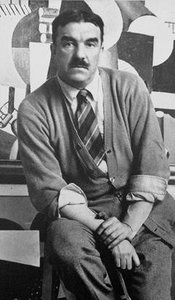
Fernand Léger
1881 - 1955 , Francia
Datos clave
- Artistas Influenciados Por: ['Pop Art']
- Artistas Que Influyeron:
- Cézanne
- Impresionismo
- Fecha De Nacimiento: 4 de febrero de 1881
- Lugar De Nacimiento: Argentan, Francia
- Movimiento Artístico:
- Cubismo
- Tubismo
- Nacionalidad: Francés
- Nombre Completo: Fernand Léger
- Obras Notables:
- La Mujer Sentada
- Elemento de Máquina
- El Gran Desfile
- Paisajes Animados
Artículos relacionados

Metal Art for Commercial Spaces: A Procurement Guide to Durable & Modern Large-Scale Decor Solutions
Expert procurement guide for hotel designers and managers. Discover durable, large-scale metal art solutions for commercial spaces. Learn about material selection, maintenance, and efficient bulk ordering for high-traffic hospitality and corporate interiors.


