


 Vista previa
 Compartir
 Compartir
 Ver detalles
 Guía
Guía

 Descargar
 Ver artículos similares
 Radiografía
 Presentación de diapositivas
 Estadísticas
The polychrome Fleur


 Leer más
Giclée / Impresión de arte
Impresiones giclée o en lienzo de calidad de museo con producción rápida y opciones de acabado flexibles. ( Encargar reproducción pintada a mano Ver versión en imagen digital)




P118B $10

P118H $10

P118W $10

P438Z $10

P508JH $12

P508YH $12

P805H $10

P805Z $10

P919BZ $10

P919G $10

P919XJ $10

P959ZH $10

P968JZ $12

W106C $8

W218G $10

W218JH $8

W218Y $10

W307PJ $10

W316G $10

W316PJ $8

W316Y $10

W398PJ $8

W4111J $10

W500HY $15

W500JH $15

W692G $12

W849H $8

W940BG $15

W953PJ $8




Elija entre nuestros tamaños predefinidos que respetan las proporciones originales de la obra.

Puede introducir sus propias dimensiones para adaptarse a un marco o espacio específico. Si el tamaño seleccionado no coincide con las proporciones de la imagen original, recortaremos la obra de arte o extenderemos la imagen con un borde con efecto espejo o de color sólido. Se enviará una maqueta digital para su aprobación antes de que comience la producción.
Tenga en cuenta que la vista previa en pantalla no refleja el recorte o la extensión real. Solo la maqueta mostrará con precisión la composición final.
Aunque existen tamaños personalizados, recomendamos seleccionar una dimensión de la lista predefinida para preservar las proporciones originales.
Envío a todo el mundo () en 2 semanas en lugar de las 4/5 semanas estándar. (24 septiembre)

Envío exprés gratuito a todo el mundo

Lienzo de lino de alta calidad

Seguro de envío completo

Garantía de reembolso de impuestos aduaneros

Garantía de fidelidad cromática exacta

Política de devolución de 100 días (solo por defectos)

Garantía de devolución del 100% del dinero

Oferta por volumen
 La opción de vidrio solo está disponible en tamaños inferiores a 110 cm.

The polychrome Fleur
Giclée / Impresión de arte
Tamaño de la reproducción
-


Precio total
$ 64
A Symphony of Color and Form: The Vibrancy of Léger’s Vision
In the realm of modern abstraction, few works capture the rhythmic pulse of the twentieth century as evocatively as Fernand Léger's "The Polychrome Fleur." Painted in 1936, this masterpiece serves as a breathtaking cornerstone of the Orphism movement, a period where art sought to transcend mere representation through the pure, emotive power of color. To gaze upon this canvas is to enter a world where the boundaries between organic life and industrial dynamism dissolve into a singular, harmonious dance. The composition does not merely sit static upon the surface; rather, it unfolds with an energetic grace, inviting the viewer into a sensory experience that feels both deeply primal and strikingly modern.
The artwork is a masterful orchestration of bold, intersecting curvilinear shapes. Dominating the visual field are primary strikes of yellow, blue, and red—colors that vibrate against one another to create a sense of perpetual motion. Within this kaleidoscopic arrangement, Léger weaves unexpected motifs: a bright yellow bird, a sleek blue fish, and a striking red flower emerge from the geometric complexity. This interplay suggests an organic unfolding, as if the very essence of nature were being reassembled through a mechanical, yet poetic, lens. The inclusion of a mysterious, eye-like motif on the left side adds a layer of profound psychological depth, prompting us to contemplate not just what we see, but the very nature of perception and consciousness itself.
Technique and the Spirit of the Machine Age
Léger’s approach to "The Polychrome Fleur" is as innovative as the era it represents. Eschewing traditional brushwork for a more structural method, he employed a sophisticated collage-like technique, assembling fragments of painted canvas to construct an illusion of depth and tactile movement. This method was a brilliant reflection of the burgeoning industrial landscape of the 1930s; just as factories assembled complex machines from individual parts, Léger assembled his visual universe from distinct, rhythmic components. This "tubism" and structural approach allowed him to celebrate the beauty of the machine age—its precision, its strength, and its relentless energy—without losing the soulful connection to the natural world.
For the discerning collector or interior designer, this piece offers an unparalleled opportunity to introduce a sense of structured vitality into a space. The painting’s ability to balance heavy, geometric forms with light, airy colors makes it a versatile centerpiece. It possesses the rare capability to anchor a room with its bold presence while simultaneously uplifting the atmosphere with its bright, optimistic palette. Whether placed in a contemporary gallery setting or as a focal point in a sophisticated residential lounge, "The Polychrome Fleur" acts as a window into a period of immense cultural transformation.
A Legacy of Modernity and Emotion
To understand this work is to understand the journey of Fernand Léger himself. Born amidst the pastoral landscapes of Normandy, his early life was rooted in the rhythms of agriculture, yet his heart was captured by the metallic pulse of Paris. This tension between the rural past and the industrial future is precisely what gives "The Polychrome Fleur" its enduring emotional resonance. It is a work that reconciles the two: it uses the language of abstraction to honor the beauty of life's most fundamental forms.
Owning a high-quality reproduction of this masterpiece is more than an aesthetic choice; it is an embrace of art history’s most transformative era. The painting remains a testament to Léger’s belief that art should be as dynamic and multifaceted as modern life itself. It continues to inspire awe, challenging us to find the beauty in the intersection of the organic and the engineered, and reminding us that even in a world of complex machinery, there is always room for the blooming splendor of a polychrome flower.
Obras relacionadas


Biografía del artista
vida temprana y formación
fernand léger, un pintor, escultor y cineasta francés, nació el 4 de febrero de 1881 en Argentán, Orne, Baja Normandía. Su padre criaba ganado, y Léger inicialmente se formó como arquitecto de 1897 a 1899. Luego se mudó a París en 1900, ganándose la vida como dibujante arquitectónico.desarrollo artístico
El trabajo temprano de Léger estuvo influenciado por el impresionismo, como se ve en le jardin de ma mère (mi madre's garden) (1905). Después de asistir a la escuela de artes decorativas y la academia Julian, comenzó a trabajar seriamente como pintor a los 25 años. Su estilo evolucionó hacia una forma personal del cubismo, que los críticos denominaron "tubismo" por su énfasis en las formas cilíndricas.cubismo y el grupo puteaux
En 1910, Léger expuso en el salón de otoño junto a jean metzinger y henri le fauconnier. Se unió al grupo puteaux, también conocido como la sección dorada (la sección de oro), junto con otros artistas como francis picabia y marcel duchamp.guerra y su influencia en el trabajo de léger
Las experiencias de Léger en la Primera Guerra Mundial impactaron significativamente su obra. Durante su tiempo en el frente, produjo dibujos de piezas de artillería, aviones y soldados compañeros. Su pintura soldier with a pipe (1916) refleja este período.obra posterior y legado
La obra posterior de Léger, caracterizada por formas mecánicas y elegantes, lo vinculó a la tradición de la pintura figurativa francesa. Sus paisajes animados de 1921 mostraron figuras y animales en formas armoniosas y aerodinámicas.- ver obras de fernand léger en AllPaintingsStore
- más sobre fernand léger en wikipedia
- descubra el musée national fernand léger (francia) con AllPaintingsStore
- la mujer sentada (100 x 81 cm, tubismo)
- elemento de máquina (cubismo)
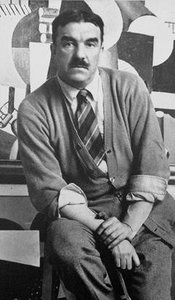
Fernand Léger
1881 - 1955 , Francia
Datos clave
- Artistas Influenciados Por: ['Pop Art']
- Artistas Que Influyeron:
- Cézanne
- Impresionismo
- Fecha De Nacimiento: 4 de febrero de 1881
- Lugar De Nacimiento: Argentan, Francia
- Movimiento Artístico:
- Cubismo
- Tubismo
- Nacionalidad: Francés
- Nombre Completo: Fernand Léger
- Obras Notables:
- La Mujer Sentada
- Elemento de Máquina
- El Gran Desfile
- Paisajes Animados
Artículos relacionados

AllPaintingsStore.com F.A.Q.: Elevate Your Decor with Premium Textured Giclée Prints
Discover the distinction of AllPaintingsStore.com premium textured Giclée prints. Expertly crafted with archival 12-color pigments and museum-grade substrates, our prints offer unparalleled vividness for the discerning collector seeking luxury, durability, and timeless elegance.


