


 Vista previa
 Compartir
 Compartir
 Ver detalles
 Guía
Guía

 Descargar
 Ver artículos similares
 Radiografía
 Presentación de diapositivas
 Estadísticas
The pool


 Leer más
Reproducción al óleo hecha a mano
Óleo sobre lienzo pintado a mano en el tamaño y marco de su elección, realizado por encargo por nuestros artistas. ( Cambiar a formato impreso Ver versión en imagen digital)




P118B €10

P118H €10

P118W €10

P438Z €10

P508JH €12

P508YH €12

P805H €10

P805Z €10

P919BZ €10

P919G €10

P919XJ €10

P959ZH €10

P968JZ €12

W106C €8

W218G €10

W218JH €8

W218Y €10

W307PJ €10

W316G €10

W316PJ €8

W316Y €10

W398PJ €8

W4111J €10

W500HY €15

W500JH €15

W692G €12

W849H €8

W940BG €15

W953PJ €8




Elija entre nuestros tamaños predefinidos que respetan las proporciones originales de la obra.

Escriba el ancho y el alto que necesite para adaptarse a su marco o a su pared. Al ser una obra pintada a mano, para un tamaño con una forma distinta, el artista puede pintar un poco más alrededor de la imagen o recortar un poco; usted elige. Le enviaremos una maqueta digital para su aprobación antes de comenzar la pintura. La imagen que se muestra en esta página no refleja el resultado real; solo la maqueta lo hace.
Tras realizar el pedido, el equipo de AllPaintingsStore.com enviará un correo electrónico al cliente para solicitar instrucciones y proporcionarle una vista previa del boceto.
Envío a todo el mundo () en 3-4 semanas en lugar de las 5 semanas estándar. (23 octubre). Sin comprometer la calidad.

Envío exprés gratuito a todo el mundo

Lienzo de lino de alta calidad

Seguro de envío completo

Garantía de reembolso de impuestos aduaneros

Garantía de fidelidad cromática exacta

Política de devolución de 100 días (solo por defectos)

Garantía de devolución del 100% del dinero

Oferta por volumen
 La opción de vidrio solo está disponible en tamaños inferiores a 110 cm.

The pool
Técnica de reproducción
Tamaño de la reproducción
-


Precio total
€ 227
A Symphony of Summer and Steel
In the vibrant tapestry of early 20th-century modernism, few works capture the rhythmic pulse of life quite like Fernand Léger’s "The Pool." This masterpiece serves as a radiant window into an idyllic summer afternoon, where the boundaries between human leisure and industrial energy begin to blur. At first glance, the viewer is swept into a sun-drenched scene of beachside relaxation; figures are scattered across the sand, some lost in playful ball games, others drifting through the water or engaged in quiet conversation. A solitary boat and a simple chair anchor the composition, grounding the dreamlike atmosphere in the tangible comforts of a seaside retreat. Yet, beneath this surface of carefree enjoyment lies a profound exploration of form that makes the painting much more than a mere landscape.
Léger’s unique aesthetic language—often described as a fusion of geometric abstraction and recognizable realism—is on full display here. He does not merely depict people; he reconstructs them through a lens of modern dynamism. The figures are rendered with a bold, structural clarity that echoes the precision of the machine age, yet they retain enough organic essence to remain deeply relatable. This tension between the soft spontaneity of a holiday and the rigid geometry of circles, squares, and rectangles creates a visual rhythm that is both hypnotic and invigorating. For the collector or interior designer, this balance makes the piece an extraordinary focal point, capable of injecting a sense of structured vitality into any sophisticated space.
Technique and the Texture of Modernity
The physical presence of "The Pool" is defined by Léger’s masterful command of color and texture. He employs a primary-driven palette—striking yellows, deep reds, and brilliant blues—to evoke the heat of the sun and the coolness of the water. This is not a delicate or whispered application of paint; rather, Léger utilizes thick impasto strokes to build a surface that possesses its own sculptural weight. The heavy texture mirrors the very subject he often celebrated: the physicality of industrial production and the raw materiality of the modern world. Each stroke contributes to an overall sense of movement, as if the energy of the beachgoers is vibrating through the canvas itself.
Historically, this work sits at a fascinating crossroads, breathing the same air as Futurism and Constructivism. During an era when European society was being radically transformed by technology and speed, Léger sought to find beauty in the mechanical. In "The Pool," he achieves a remarkable feat: he uses the language of progress—the hard edges and bold outlines—to celebrate the timeless human need for connection and joy. The painting symbolizes an optimistic vision of the future, where the order of geometric stability provides a perfect stage for the beautiful chaos of human existence.
An Emotional Resonance for the Modern Home
To live with a reproduction of "The Pool" is to invite a sense of perpetual motion and optimism into one's environment. The emotional impact of the work is undeniably uplifting; it evokes the spontaneous joy of a summer day and the invigorating spirit of discovery. It is a piece that speaks to the soul of the modern dweller, offering a sophisticated way to celebrate color and form without sacrificing warmth or narrative depth.
Whether placed in a sunlit gallery, a contemporary living room, or a curated professional studio, this artwork serves as an enduring testament to Léger's belief in the beauty of the modern condition. It is an investment in a vision where humanity and progress dance together in perfect, colorful harmony.
Preguntas y respuestas
¿Con qué sentimiento se asocia "The pool"?
"The pool" se asocia con un sentimiento Joyful. El tono emocional describe la impresión que transmite la obra.
¿Es "The pool" de Fernand Léger de dominio público?
"The pool" de Fernand Léger es de en el dominio público: sus derechos de autor han expirado. Este estado determina cómo se puede reproducir la imagen de la obra.
¿Qué intensidad de color tiene "The pool" de Fernand Léger?
La intensidad cromática de "The pool" es Balanced. La intensidad describe la fuerza con la que se perciben los colores.
Obras relacionadas


Biografía del artista
vida temprana y formación
fernand léger, un pintor, escultor y cineasta francés, nació el 4 de febrero de 1881 en Argentán, Orne, Baja Normandía. Su padre criaba ganado, y Léger inicialmente se formó como arquitecto de 1897 a 1899. Luego se mudó a París en 1900, ganándose la vida como dibujante arquitectónico.desarrollo artístico
El trabajo temprano de Léger estuvo influenciado por el impresionismo, como se ve en le jardin de ma mère (mi madre's garden) (1905). Después de asistir a la escuela de artes decorativas y la academia Julian, comenzó a trabajar seriamente como pintor a los 25 años. Su estilo evolucionó hacia una forma personal del cubismo, que los críticos denominaron "tubismo" por su énfasis en las formas cilíndricas.cubismo y el grupo puteaux
En 1910, Léger expuso en el salón de otoño junto a jean metzinger y henri le fauconnier. Se unió al grupo puteaux, también conocido como la sección dorada (la sección de oro), junto con otros artistas como francis picabia y marcel duchamp.guerra y su influencia en el trabajo de léger
Las experiencias de Léger en la Primera Guerra Mundial impactaron significativamente su obra. Durante su tiempo en el frente, produjo dibujos de piezas de artillería, aviones y soldados compañeros. Su pintura soldier with a pipe (1916) refleja este período.obra posterior y legado
La obra posterior de Léger, caracterizada por formas mecánicas y elegantes, lo vinculó a la tradición de la pintura figurativa francesa. Sus paisajes animados de 1921 mostraron figuras y animales en formas armoniosas y aerodinámicas.- ver obras de fernand léger en AllPaintingsStore
- más sobre fernand léger en wikipedia
- descubra el musée national fernand léger (francia) con AllPaintingsStore
- la mujer sentada (100 x 81 cm, tubismo)
- elemento de máquina (cubismo)
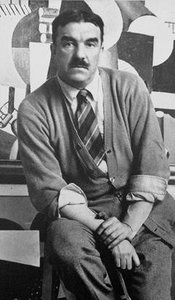
Fernand Léger
1881 - 1955 , Francia
Datos clave
- Artistas Influenciados Por: ['Pop Art']
- Artistas Que Influyeron:
- Cézanne
- Impresionismo
- Fecha De Nacimiento: 4 de febrero de 1881
- Lugar De Nacimiento: Argentan, Francia
- Movimiento Artístico:
- Cubismo
- Tubismo
- Nacionalidad: Francés
- Nombre Completo: Fernand Léger
- Obras Notables:
- La Mujer Sentada
- Elemento de Máquina
- El Gran Desfile
- Paisajes Animados
Artículos relacionados

Neo-Abstract Art Trend Forecast: High-Impact Geometric Compositions for Contemporary Commercial Interiors
Elevate commercial interiors with Neo-Abstract art. Discover how high-impact geometric compositions and custom oil reproductions provide scalable, sophisticated design solutions for hotels, restaurants, and corporate spaces. Expert procurement for large-scale hospitality projects.


