


 Ver en contexto
 Enviar
 Compartir
 Detalles
 Guía
Guía

 Descargar
 Similares
 Radiografía
 Presentación de diapositivas
 Q&A
Q&A Estadísticas
The yellow flame

- 66.0 x 36.0 cm


 Ver más
Giclée / Impresión de arte
Impresiones giclée o en lienzo de calidad de museo con producción rápida y opciones de acabado flexibles. ( Comprar pintura hecha a mano Cambiar a imagen digital)




P118B €10

P118H €10

P118W €10

P438Z €10

P508JH €12

P508YH €12

P805H €10

P805Z €10

P919BZ €10

P919G €10

P919XJ €10

P959ZH €10

P968JZ €12

W106C €8

W218G €10

W218JH €8

W218Y €10

W307PJ €10

W316G €10

W316PJ €8

W316Y €10

W398PJ €8

W4111J €10

W500HY €15

W500JH €15

W692G €12

W849H €8

W940BG €15

W953PJ €8




Elija entre nuestros tamaños predefinidos que respetan las proporciones originales de la obra.

Introduzca el ancho y el alto que necesite para adaptarse a su marco o pared. Una impresión solo puede recortarse, nunca hacerse más grande que la imagen original, por lo que un tamaño con una forma distinta perderá parte de la obra. Le enviaremos una maqueta digital para su aprobación antes de realizar cualquier impresión. La imagen que se muestra en esta página no refleja el recorte real; solo la maqueta lo hace.
Envío a todo el mundo () en 2 semanas en lugar de las 4/5 semanas estándar. (2 noviembre)

Envío exprés gratuito a todo el mundo

Lienzo de lino de alta calidad

Seguro de envío total

Garantía de reembolso de aranceles aduaneros

Garantía de fidelidad cromática exacta

Política de devolución de 100 días (solo por defectos)

Garantía de devolución del 100% del dinero

Descuento por cantidad
 La opción de vidrio solo está disponible en tamaños inferiores a 110 cm.

The yellow flame
Giclée / Impresión de arte
Dimensiones de la reproducción
-


Precio total final
€ 57
A Bold Embrace of Industrial Rhythm: Exploring Fernand Léger’s “The Yellow Flame”
Fernand Léger's "The Yellow Flame," painted in 1952, isn’t merely a depiction of fire; it’s an assertion of artistic conviction—a defiant refusal to abandon representational elements while simultaneously embracing the transformative influence of industrial progress. This striking monochrome canvas captures the essence of Léger’s purist aesthetic, demonstrating his masterful ability to distill complex ideas into powerfully simplified forms. The painting's immediate impact stems from its arresting juxtaposition of black and yellow – a deliberate choice that underscores both the darkness of the industrial landscape and the incandescent energy of renewal.- Subject Matter: Léger’s focus is undeniably on fire, specifically a stylized flame emanating from a fire hydrant. This seemingly mundane object becomes imbued with symbolic significance, representing not just practical utility but also the burgeoning spirit of innovation and technological advancement that characterized the mid-20th century.
- Style & Technique: Léger’s signature style is rooted in purism—a movement born from disillusionment with Surrealism—that championed geometric abstraction as a means of conveying emotion and truth. “The Yellow Flame” exemplifies this approach through its use of bold, angular shapes and flattened planes, reminiscent of Constructivism. Léger meticulously applied paint to create textured surfaces that subtly suggest the physicality of industrial materials.
Historical Context: Purism’s Reaction Against Surrealist Excess
The painting emerged during a period of significant societal upheaval—the aftermath of World War II and the rapid expansion of industrialization across Europe. Léger's purists actively rejected the dreamlike imagery prevalent in Surrealism, arguing that art should confront reality head-on rather than indulging in fantastical illusions. They sought to liberate art from psychological complexities, prioritizing clarity and precision as tools for communicating ideas about the human condition within a mechanized world. Léger himself famously declared, “I want to paint what I see.”Symbolism Beyond Representation: Fire as Catalyst for Transformation
The flame itself operates on multiple levels of symbolism. Traditionally associated with purification and rebirth, it represents not only the destructive force of fire but also its regenerative capacity—a metaphor for overcoming adversity and embracing progress. Léger’s deliberate inclusion of the fire hydrant reinforces this theme, transforming an everyday object into a symbol of technological optimism and societal renewal. It speaks to the belief that even in the face of darkness and hardship, humanity possesses the ability to innovate and create a brighter future.Emotional Impact & Artistic Legacy
“The Yellow Flame” transcends mere visual representation; it communicates an underlying feeling of dynamism and resilience. The stark monochrome palette amplifies the intensity of the flame’s luminosity, drawing the viewer into its radiant glow. Léger's masterful technique—his careful consideration of texture and form—creates a palpable sense of energy and movement. More than just a beautiful artwork, “The Yellow Flame” stands as a testament to Léger’s unwavering commitment to exploring the intersection between art and technology, cementing his place as one of the most influential artists of the 20th century. Its enduring appeal lies in its ability to inspire contemplation on themes of transformation, innovation, and the human spirit's capacity for overcoming challenges—a message that resonates powerfully even today.Preguntas y respuestas
¿Dónde puedo encontrar obras de arte similares a "The yellow flame" de Fernand Léger?
Encuentre obras similares a "The yellow flame" en la página de Obras similares de esta obra.
¿Puedo ver una radiografía de "The yellow flame" de Fernand Léger?
La vista de rayos X de "The yellow flame" de Fernand Léger se encuentra en la página Radiografía de la obra: un examen interactivo de la imagen a través de once capas ópticas.
¿Para qué uso se recomienda "The yellow flame" de Fernand Léger?
Se recomienda una reproducción de "The yellow flame" de Fernand Léger para Statement, basándose en el tema, la atmósfera y los colores de la obra.
Obras relacionadas


Biografía del artista
vida temprana y formación
fernand léger, un pintor, escultor y cineasta francés, nació el 4 de febrero de 1881 en Argentán, Orne, Baja Normandía. Su padre criaba ganado, y Léger inicialmente se formó como arquitecto de 1897 a 1899. Luego se mudó a París en 1900, ganándose la vida como dibujante arquitectónico.desarrollo artístico
El trabajo temprano de Léger estuvo influenciado por el impresionismo, como se ve en le jardin de ma mère (mi madre's garden) (1905). Después de asistir a la escuela de artes decorativas y la academia Julian, comenzó a trabajar seriamente como pintor a los 25 años. Su estilo evolucionó hacia una forma personal del cubismo, que los críticos denominaron "tubismo" por su énfasis en las formas cilíndricas.cubismo y el grupo puteaux
En 1910, Léger expuso en el salón de otoño junto a jean metzinger y henri le fauconnier. Se unió al grupo puteaux, también conocido como la sección dorada (la sección de oro), junto con otros artistas como francis picabia y marcel duchamp.guerra y su influencia en el trabajo de léger
Las experiencias de Léger en la Primera Guerra Mundial impactaron significativamente su obra. Durante su tiempo en el frente, produjo dibujos de piezas de artillería, aviones y soldados compañeros. Su pintura soldier with a pipe (1916) refleja este período.obra posterior y legado
La obra posterior de Léger, caracterizada por formas mecánicas y elegantes, lo vinculó a la tradición de la pintura figurativa francesa. Sus paisajes animados de 1921 mostraron figuras y animales en formas armoniosas y aerodinámicas.- ver obras de fernand léger en AllPaintingsStore
- más sobre fernand léger en wikipedia
- descubra el musée national fernand léger (francia) con AllPaintingsStore
- la mujer sentada (100 x 81 cm, tubismo)
- elemento de máquina (cubismo)
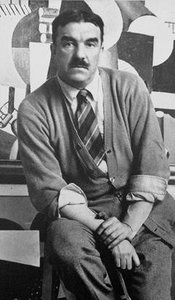
Fernand Léger
1881 - 1955 , Francia
Datos clave
- Artistas Influenciados Por: ['Pop Art']
- Artistas Que Influyeron:
- Cézanne
- Impresionismo
- Fecha De Nacimiento: 4 de febrero de 1881
- Lugar De Nacimiento: Argentan, Francia
- Movimiento Artístico:
- Cubismo
- Tubismo
- Nacionalidad: Francés
- Nombre Completo: Fernand Léger
- Obras Notables:
- La Mujer Sentada
- Elemento de Máquina
- El Gran Desfile
- Paisajes Animados
Artículos relacionados

Neo-Abstract Art Trend Forecast: High-Impact Geometric Compositions for Contemporary Commercial Interiors
Elevate commercial interiors with Neo-Abstract art. Discover how high-impact geometric compositions and custom oil reproductions provide scalable, sophisticated design solutions for hotels, restaurants, and corporate spaces. Expert procurement for large-scale hospitality projects.

Modern Geometry & Machine Age Beauty: A Collector's Guide to the Cubist Vision of Fernand Léger
Explore the profound geometric mastery of Fernand Léger. Discover how his 'Tubism' and Machine Age aesthetics redefined modern art, offering timeless inspiration for discerning collectors seeking to integrate Cubist dynamism into sophisticated contemporary interiors.


