


 Vista previa
 Compartir
 Compartir
 Ver detalles
 Guía
Guía

 Descargar
 Ver artículos similares
 Radiografía
 Presentación de diapositivas
 Estadísticas
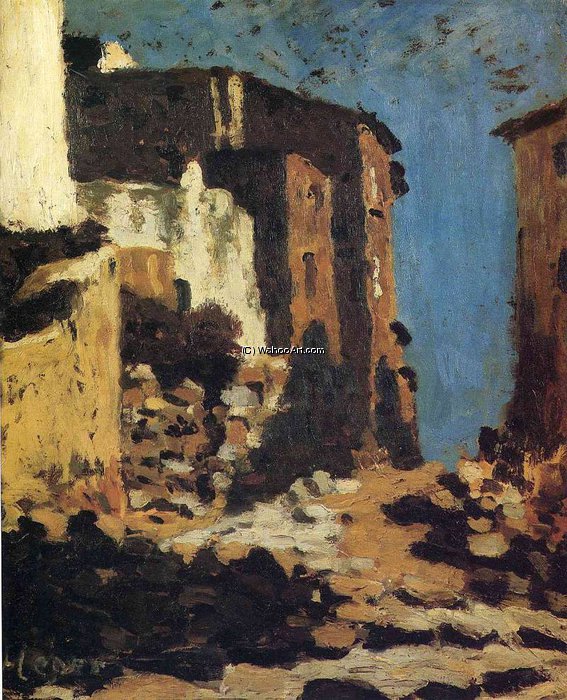
untitled (4685)

 Leer más
Giclée / Impresión de arte
Impresiones giclée o en lienzo de calidad de museo con producción rápida y opciones de acabado flexibles. ( Encargar reproducción pintada a mano Ver versión en imagen digital)




P118B $10

P118H $10

P118W $10

P438Z $10

P508JH $12

P508YH $12

P805H $10

P805Z $10

P919BZ $10

P919G $10

P919XJ $10

P959ZH $10

P968JZ $12

W106C $8

W218G $10

W218JH $8

W218Y $10

W307PJ $10

W316G $10

W316PJ $8

W316Y $10

W398PJ $8

W4111J $10

W500HY $15

W500JH $15

W692G $12

W849H $8

W940BG $15

W953PJ $8




Elija entre nuestros tamaños predefinidos que respetan las proporciones originales de la obra.

Puede introducir sus propias dimensiones para adaptarse a un marco o espacio específico. Si el tamaño seleccionado no coincide con las proporciones de la imagen original, recortaremos la obra de arte o extenderemos la imagen con un borde con efecto espejo o de color sólido. Se enviará una maqueta digital para su aprobación antes de que comience la producción.
Tenga en cuenta que la vista previa en pantalla no refleja el recorte o la extensión real. Solo la maqueta mostrará con precisión la composición final.
Aunque existen tamaños personalizados, recomendamos seleccionar una dimensión de la lista predefinida para preservar las proporciones originales.
Envío a todo el mundo () en 2 semanas en lugar de las 4/5 semanas estándar. (25 septiembre)

Envío exprés gratuito a todo el mundo

Lienzo de lino de alta calidad

Seguro de envío completo

Garantía de reembolso de impuestos aduaneros

Garantía de fidelidad cromática exacta

Política de devolución de 100 días (solo por defectos)

Garantía de devolución del 100% del dinero

Oferta por volumen
 La opción de vidrio solo está disponible en tamaños inferiores a 110 cm.

untitled (4685)
Giclée / Impresión de arte
Tamaño de la reproducción
-


Precio total
$ 64
Fernand Léger: Embracing the Rhythm of Modernity
Fernand Léger’s oeuvre represents more than just visual art; it embodies a profound engagement with the transformative forces reshaping Europe at the dawn of the 20th century. Born Joseph Fernand Henri Léger in Argentan, Normandy, in 1881, he possessed an upbringing rooted in rural labor—a stark contrast to the burgeoning industrial landscape that would soon dominate his artistic imagination. This duality fueled a relentless desire to capture not merely what was seen but also what *felt* like – the pulsating energy of machines and the geometric precision of urban spaces.- Early Tubism: Léger’s initial foray into painting, around 1907-1912, crystallized in “Tubism,” a radical departure from traditional representation. Influenced by Picasso and Braque, he employed fractured planes and tubular forms to depict objects—primarily locomotives and factories—reducing them to their essential structural elements. This technique wasn’t merely stylistic; it was a deliberate attempt to distill the essence of industrial production into visual symbols.
- The Shift Towards Figurative Expression: Recognizing the limitations of pure abstraction in conveying emotion, Léger gradually moved towards a more expressive style characterized by simplified figures and bold colors. He abandoned the rigid geometric structures of Tubism for looser contours and vibrant hues—particularly reds and yellows—creating canvases that pulsed with vitality.
A Dialogue With The Machine Age
Léger’s artistic vision coincided perfectly with the rapid industrial expansion occurring across Europe. Witnessing firsthand the impact of technological advancements on daily life, he felt compelled to respond artistically—to translate the anxieties and aspirations associated with this new era into visual form. His paintings aren't simply depictions of factories; they are meditations on movement, rhythm, and the relentless march of progress. Léger sought to convey not just what machines *looked* like but also how they *felt*, capturing the vibration and dynamism inherent in their operation.- Symbolism Within Simplification: Despite his stylistic reductions, Léger’s canvases retain a rich symbolic dimension. The prominent use of red—often associated with passion and energy—and yellow—representing optimism and illumination—underscores his belief that art could inspire hope amidst the uncertainties of modernity.
- Influence on Pop Art: Léger's pioneering approach to representing modern subject matter foreshadowed the emergence of pop art in the 1960s. Artists like Warhol and Lichtenstein drew inspiration from Léger’s bold simplification and his willingness to engage with popular culture—demonstrating that artistic expression could thrive outside the confines of academic conventions.
Emotional Resonance: Capturing The Spirit Of An Age
Ultimately, Léger's enduring appeal lies in his ability to evoke a visceral emotional response. His paintings aren’t merely aesthetically pleasing; they communicate a profound sense of urgency and excitement—a conviction that art could illuminate the complexities of the modern world while simultaneously celebrating its transformative potential. Viewing Léger’s canvases is akin to stepping into a whirlwind of color and form, experiencing firsthand the rhythm of industrial progress and embracing the promise of a brighter future. They stand as a testament to the power of artistic vision—to the capacity of art to transcend mere representation and forge a direct connection with the human spirit.Obras relacionadas


Biografía del artista
vida temprana y formación
fernand léger, un pintor, escultor y cineasta francés, nació el 4 de febrero de 1881 en Argentán, Orne, Baja Normandía. Su padre criaba ganado, y Léger inicialmente se formó como arquitecto de 1897 a 1899. Luego se mudó a París en 1900, ganándose la vida como dibujante arquitectónico.desarrollo artístico
El trabajo temprano de Léger estuvo influenciado por el impresionismo, como se ve en le jardin de ma mère (mi madre's garden) (1905). Después de asistir a la escuela de artes decorativas y la academia Julian, comenzó a trabajar seriamente como pintor a los 25 años. Su estilo evolucionó hacia una forma personal del cubismo, que los críticos denominaron "tubismo" por su énfasis en las formas cilíndricas.cubismo y el grupo puteaux
En 1910, Léger expuso en el salón de otoño junto a jean metzinger y henri le fauconnier. Se unió al grupo puteaux, también conocido como la sección dorada (la sección de oro), junto con otros artistas como francis picabia y marcel duchamp.guerra y su influencia en el trabajo de léger
Las experiencias de Léger en la Primera Guerra Mundial impactaron significativamente su obra. Durante su tiempo en el frente, produjo dibujos de piezas de artillería, aviones y soldados compañeros. Su pintura soldier with a pipe (1916) refleja este período.obra posterior y legado
La obra posterior de Léger, caracterizada por formas mecánicas y elegantes, lo vinculó a la tradición de la pintura figurativa francesa. Sus paisajes animados de 1921 mostraron figuras y animales en formas armoniosas y aerodinámicas.- ver obras de fernand léger en AllPaintingsStore
- más sobre fernand léger en wikipedia
- descubra el musée national fernand léger (francia) con AllPaintingsStore
- la mujer sentada (100 x 81 cm, tubismo)
- elemento de máquina (cubismo)

Fernand Léger
1881 - 1955 , Francia
Datos clave
- Artistas Influenciados Por: ['Pop Art']
- Artistas Que Influyeron:
- Cézanne
- Impresionismo
- Fecha De Nacimiento: 4 de febrero de 1881
- Lugar De Nacimiento: Argentan, Francia
- Movimiento Artístico:
- Cubismo
- Tubismo
- Nacionalidad: Francés
- Nombre Completo: Fernand Léger
- Obras Notables:
- La Mujer Sentada
- Elemento de Máquina
- El Gran Desfile
- Paisajes Animados


