


 Vista previa
 Compartir
 Compartir
 Ver detalles
 Guía
Guía

 Descargar
 Ver artículos similares
 Radiografía
 Presentación de diapositivas
 Estadísticas
Boy Blowing Bubbles
 Acrylic On Canvas
- WallArt
- Dutch Golden Age
 1663
1663 184.0 x 257.0 cm
 Kunstpalast
 Leer más
Giclée / Impresión de arte
Impresiones giclée o en lienzo de calidad de museo con producción rápida y opciones de acabado flexibles. ( Encargar reproducción pintada a mano Ver versión en imagen digital)




P118B €10

P118H €10

P118W €10

P438Z €10

P508JH €12

P508YH €12

P805H €10

P805Z €10

P919BZ €10

P919G €10

P919XJ €10

P959ZH €10

P968JZ €12

W106C €8

W218G €10

W218JH €8

W218Y €10

W307PJ €10

W316G €10

W316PJ €8

W316Y €10

W398PJ €8

W4111J €10

W500HY €15

W500JH €15

W692G €12

W849H €8

W940BG €15

W953PJ €8




Elija entre nuestros tamaños predefinidos que respetan las proporciones originales de la obra.

Introduzca el ancho y el alto que necesite para adaptarse a su marco o pared. Una impresión solo puede recortarse, nunca hacerse más grande que la imagen original, por lo que un tamaño con una forma distinta perderá parte de la obra. Le enviaremos una maqueta digital para su aprobación antes de realizar cualquier impresión. La imagen que se muestra en esta página no refleja el recorte real; solo la maqueta lo hace.
Envío a todo el mundo () en 2 semanas en lugar de las 4/5 semanas estándar. (25 octubre)

Envío exprés gratuito a todo el mundo

Lienzo de lino de alta calidad

Seguro de envío completo

Garantía de reembolso de impuestos aduaneros

Garantía de fidelidad cromática exacta

Política de devolución de 100 días (solo por defectos)

Garantía de devolución del 100% del dinero

Oferta por volumen
 La opción de vidrio solo está disponible en tamaños inferiores a 110 cm.

Boy Blowing Bubbles
Giclée / Impresión de arte
Tamaño de la reproducción
-


Precio total
€ 56
A Moment Frozen in Time: Frans van Mieris’ ‘Boy Blowing Bubbles’
Frans van Mieris' “Boy Blowing Bubbles,” painted in 1663, isn’t merely a portrait; it’s a carefully constructed tableau of Dutch Golden Age life, brimming with subtle symbolism and an exquisite attention to detail that defines the artist’s signature style. Housed within the Mauritshuis in The Hague, this captivating scene invites us into a world where innocence dances alongside contemplation, and the ephemeral beauty of childhood is juxtaposed against deeper philosophical questions about mortality and the passage of time.
The ‘Fijnschilder’ Technique: A Masterclass in Illusion
Van Mieris was a leading figure in the “fijnschilder” movement, a group of Dutch painters known for their meticulous realism and mastery of illusionistic techniques. He achieved this through painstaking layering of glazes – incredibly thin washes of paint applied over dry layers – creating an astonishingly lifelike surface that seems to shimmer with depth and texture. Observe the delicate rendering of the boy’s skin, the subtle folds in his clothing, and the way the light catches on the bubbles themselves. Van Mieris didn't simply depict; he constructed a convincing illusion of reality, employing techniques borrowed from both painting and drawing – a testament to his rigorous training under Gerrit Dou.
Symbolism Woven into the Scene: A Tapestry of Meaning
The composition is rich with layered symbolism, reflecting the intellectual currents of 17th-century Holland. The boy, seemingly lost in a simple pleasure – blowing bubbles – represents fleeting joy and innocence. However, the artist subtly introduces an undercurrent of melancholy. The woman behind him, dressed in luxurious fabrics, holds a baby, suggesting motherhood and domesticity, yet her gaze is distant, hinting at the burdens of responsibility. The dog, a symbol of loyalty, stands attentively beside her, perhaps representing steadfastness amidst uncertainty. Even the objects within the room – the vases overflowing with flowers, the clock measuring the relentless march of time, and the window offering a glimpse to an unseen world – contribute to this complex web of meaning.
Contextualizing the Image: The ‘Paragone’ and the Illusion of Space
“Boy Blowing Bubbles” exists within the broader context of the “paragone,” a heated debate in 17th-century Europe concerning the relative merits of painting versus sculpture. Van Mieris, through his masterful manipulation of perspective and texture, powerfully demonstrated painting’s ability to create convincing illusions of space and depth – a skill that directly challenged the perceived superiority of three-dimensional sculpture. The window itself serves as a visual metaphor for this illusionistic prowess, inviting the viewer to step into the scene and contemplate its intricacies. The artist deliberately employs techniques reminiscent of Renaissance perspective, elevating painting’s status within the artistic hierarchy.
Beyond its technical brilliance and symbolic depth, “Boy Blowing Bubbles” evokes a profound sense of nostalgia for a bygone era – a poignant reminder of childhood's fleeting beauty and the inevitable passage of time. It is a work that continues to resonate with viewers today, offering a glimpse into the complexities of human experience and the enduring power of art to capture a single, unforgettable moment.
- Artist: Frans van Mieris the Elder
- Date: 1663
- Location: Mauritshuis, The Hague
- Medium: Oil on Panel
Learn more about the artwork at the Mauritshuis
Preguntas y respuestas
¿Cómo se recomienda imprimir "Boy Blowing Bubbles": qué tamaño y qué orientación?
Tamaño Medium, orientación Portrait: esta es la configuración de impresión sugerida para "Boy Blowing Bubbles" de Frans van Mieris.
¿Qué tan intensos son los colores de "Boy Blowing Bubbles"?
"Boy Blowing Bubbles" de Frans van Mieris está registrado con una saturación de Muted y una intensidad de Monochromatic.
¿Qué comparte "Boy Blowing Bubbles" con el resto de la obra de Frans van Mieris?
"Boy Blowing Bubbles" pertenece a la obra Dutch Golden Age de Frans van Mieris, cuyos temas recurrentes incluyen dutch golden age realism, symbolic moral interpretation, paragone competition influence, illusionistic depth techniques, van mieris’ detailed portraits.
Obras relacionadas


Biografía del artista
Frans van Mieris el Viejo: Una Vida en Detalle
- Nacimiento: Leiden, Países Bajos (1635)
- Fallecimiento: 1681
Frans van Mieris el Viejo fue un destacado pintor de género neerlandés del Siglo de Oro conocido por su meticuloso detalle y estilo refinado. Nacido en Leiden, hijo de Jan Bastiaensz van Mieris, un orfebre, Frans inicialmente demostró aptitud para el dibujo en lugar de seguir los pasos de su padre. La formación temprana bajo Abraham Toorenvliet, seguida de la instrucción por Gerrit Dou, moldearon sus bases artísticas.
Desarrollo Artístico y Estilo
- Primeras Influencias: Gerrit Dou y Abraham van den Tempel influyeron significativamente en las primeras obras de Frans.
- Técnica "Fijnschilder": Van Mieris se convirtió en un maestro del estilo "fijnschilder", caracterizado por detalles extremadamente finos, pinceladas suaves y un enfoque en pinturas a pequeña escala. Esta técnica enfatizaba el realismo e intrincadas representaciones de texturas como satén y terciopelo.
- Temática: Representó con frecuencia escenas de la sociedad adinerada – interiores elaborados, reuniones elegantes y retratos – ilustrando los hábitos y la vestimenta de las clases altas. Los motivos recurrentes incluían almuerzos de ostras, médicos examinando a pacientes y mujeres dedicadas a actividades domésticas.
- Evolución del Estilo: Si bien inicialmente emuló el estilo de Gerrit Dou, Van Mieris desarrolló gradualmente su propio enfoque distintivo, alejándose del detalle excesivo hacia una mayor énfasis en la interacción de personajes y la narrativa dentro de sus escenas. Sus obras posteriores a veces exhibían tonos más oscuros en comparación con sus piezas anteriores, más brillantes.
Logros Destacados y Obras Notables
- Visita del Médico (1657): Considerada una de sus obras datadas más tempranas y significativas, que muestra su independencia emergente del estilo de Dou.
- Autorretrato con una Citerna: Un autorretrato convincente que demuestra su habilidad para representar atuendos opulentos y capturar un sentido de personalidad.
- Retrato de la Esposa del Artista, Cunera van der Cock: Un ejemplo impresionante de retrato que destaca el realismo y el claroscuro.
- Pinturas Alegóricas: Van Mieris también produjo obras alegóricas, como una que representa vicios como beber, fumar y jugar, demostrando su versatilidad.
Legado y Significado Histórico
- Legado Familiar: La influencia de Frans van Mieris se extendió a su familia; su hijo Willem van Mieris (1662–1747) y su nieto Frans van Mieris el Joven (1689–1763) también se convirtieron en pintores de género consumados, continuando la tradición familiar.
- Imitaciones: La popularidad del estilo de Van Mieris condujo a numerosas imitaciones, más notablemente por A. D. Snaphaan, quien trabajó en Leipzig y fue patronado por la corte de Anhalt-Dessau.
- Contribución a la Pintura Neerlandesa del Siglo de Oro: Frans van Mieris jugó un papel crucial en dar forma al movimiento "fijnschilder" dentro de la pintura neerlandesa del Siglo de Oro, contribuyendo significativamente al enfoque de la época en el detalle meticuloso y las representaciones realistas de la vida cotidiana y la sociedad de clase alta. Sus obras son valoradas por su habilidad técnica y su retrato perspicaz de la cultura del siglo XVII.
Años Posteriores y Redescubrimiento
- Patronato: Van Mieris disfrutó del patrocinio de figuras prominentes, incluyendo al Archiduque Leopoldo y Cosimo III de' Medici.
- Obra Robada: Un autorretrato fue robado de la Galería de Arte de Nueva Gales del Sur en Sydney, Australia, destacando el valor y atractivo perdurables de sus obras.

Frans van Mieris
1635 - 1681 , Países Bajos
Datos clave
- Artistas Influenciados:
- Willem van Mieris
- Frans van Mieris el Joven
- Artistas Que Influyeron:
- Gerrit Dou
- Abraham van den Tempel
- Fecha De Nacimiento: 1635
- Lugar De Nacimiento: Leiden, Países Bajos
- Movimiento Artístico: Fijnschilder
- Nacionalidad: Holandés
- Nombre Completo: Frans van Mieris el Viejo
- Obras Notables:
- Visita del Doctor
- Autorretrato con cítara
- Retrato de su esposa
- Mujer frente al espejo
Artículos relacionados
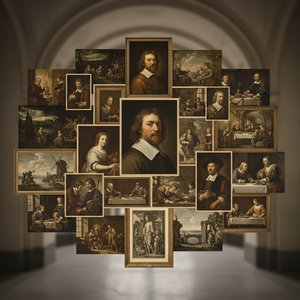
Rembrandt van Rijn: Las 25 Obras Maestras que Definen un Genio | Arte, Historia y Decoración
Descubre las 25 obras maestras de Rembrandt van Rijn, el genio del barroco holandés. Explora su historia, técnica y simbolismo en retratos icónicos como 'La Ronda Nocturna'. Encuentra reproducciones de arte exclusivas para decorar tu hogar con AllPaintingsStore.com.

Mastering Light & Shadow: A Journey Through the Dutch Golden Age's Luminous Legacy
Embark on a cultural journey through the Dutch Golden Age. Explore the masterful interplay of light and shadow in 17th-century masterpieces, from Rembrandt to Vermeer, and discover how this era of profound realism continues to inspire fine art collectors today.
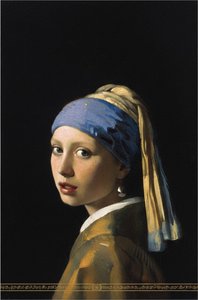
Los 10 Maestros del Siglo de Oro Holandés: Arte, Historia y Decoración Exclusiva
Descubre los 10 imprescindibles del Siglo de Oro Holandés: Rembrandt, Vermeer y más. Explora la historia, técnica y belleza de estos lienzos clásicos. Encuentra reproducciones de arte exclusivas para decorar tu hogar en .

Golden Light & Dutch Skies: The Timeless Magic of Dutch Golden Age Landscapes
Discover the breathtaking beauty of Dutch Golden Age landscapes. Explore the mastery of light, chiaroscuro, and 17th-century realism through an expert art history lens, celebrating the enduring legacy of the Dutch Masters for discerning collectors and art lovers.

La Luz y la República: Innovación Artística en el Siglo de Oro Neerlandés
Descubra la innovación artística del Siglo de Oro Neerlandés. Explore las obras maestras de Rembrandt y Vermeer, técnicas revolucionarias y el legado perdurable de este florecimiento cultural. ¡Sumérjase en la luz y la belleza!


