


 Ver en contexto
 Enviar
 Compartir
 Detalles
 Guía
Guía

 Descargar
 Similares
 Radiografía
 Presentación de diapositivas
 Estadísticas
Playing weasels


 Ver más
Giclée / Impresión de arte
Impresiones giclée o en lienzo de calidad de museo con producción rápida y opciones de acabado flexibles. ( Comprar pintura hecha a mano Cambiar a imagen digital)




P118B €10

P118H €10

P118W €10

P438Z €10

P508JH €12

P508YH €12

P805H €10

P805Z €10

P919BZ €10

P919G €10

P919XJ €10

P959ZH €10

P968JZ €12

W106C €8

W218G €10

W218JH €8

W218Y €10

W307PJ €10

W316G €10

W316PJ €8

W316Y €10

W398PJ €8

W4111J €10

W500HY €15

W500JH €15

W692G €12

W849H €8

W940BG €15

W953PJ €8




Elija entre nuestros tamaños predefinidos que respetan las proporciones originales de la obra.

Introduzca el ancho y el alto que necesite para adaptarse a su marco o pared. Una impresión solo puede recortarse, nunca hacerse más grande que la imagen original, por lo que un tamaño con una forma distinta perderá parte de la obra. Le enviaremos una maqueta digital para su aprobación antes de realizar cualquier impresión. La imagen que se muestra en esta página no refleja el recorte real; solo la maqueta lo hace.
Envío a todo el mundo () en 2 semanas en lugar de las 4/5 semanas estándar. (25 octubre)

Envío exprés gratuito a todo el mundo

Lienzo de lino de alta calidad

Seguro de envío total

Garantía de reembolso de aranceles aduaneros

Garantía de fidelidad cromática exacta

Política de devolución de 100 días (solo por defectos)

Garantía de devolución del 100% del dinero

Descuento por cantidad
 La opción de vidrio solo está disponible en tamaños inferiores a 110 cm.

Playing weasels
Giclée / Impresión de arte
Dimensiones de la reproducción
-


Precio total final
€ 56
Franz Marc's "Playing Weasels": A Symphony of Spirit and Color
Franz Marc’s “Playing Weasels,” painted in 1909, is more than just a depiction of two animals; it’s a profound meditation on the interconnectedness of life and spirit. Created during a pivotal moment in the development of German Expressionism, this work embodies Marc's deeply held belief that art could serve as a conduit for spiritual experience, particularly through an intimate understanding of the natural world – specifically, its animal inhabitants.
- Subject Matter: The painting captures a seemingly simple scene: two animals engaged in playful interaction. One figure is rendered with the powerful form of a snake or dragon-like creature, while the other possesses the delicate features of a smaller animal adorned with long whiskers. This juxtaposition immediately invites contemplation about primal instincts and harmonious coexistence.
- Artistic Style: Marc’s style here firmly establishes his place within the Expressionist movement. Rejecting naturalism in favor of conveying inner emotions and subjective experiences, he employs bold, non-naturalistic colors and simplified forms to evoke a sense of heightened feeling. The brushstrokes are loose and expressive, contributing to the painting's dynamic energy.
Technique and Color – A Language of Emotion
Marc’s technical mastery is evident in his use of color, which isn’t merely descriptive but deeply symbolic. He employs a palette dominated by earthy tones—ochres, browns, and greens—representing the forest setting, grounding the fantastical elements within a recognizable reality. However, these muted colors are punctuated with vibrant splashes of red and blue, particularly in the animal figures. These intense hues aren't accidental; they represent the raw energy and spiritual force that Marc believed resided within all living things. The application of paint is thick and textured, creating a tactile surface that further enhances the emotional impact of the work.
- Brushwork: Marc’s distinctive brushstrokes are characterized by their rhythmic quality and expressive freedom. They contribute significantly to the painting's sense of movement and vitality.
- Color Theory: The strategic use of complementary colors – red and green, blue and orange – creates visual tension and dynamism within the composition, reflecting the emotional intensity of the scene.
Historical Context and Symbolism
"Playing Weasels" was created during a period of intense artistic experimentation in Munich, where Marc and other artists were challenging traditional academic conventions. Influenced by figures like Vincent van Gogh, Marc sought to capture not just appearances but the *soul* of his subjects. The animals themselves hold significant symbolic weight within Marc’s oeuvre. He frequently depicted them as representing Christ-like figures – innocent, vulnerable, and embodying spiritual truths. The act of ‘playing’ suggests a harmony and balance, reflecting Marc's belief in the inherent goodness of nature and its capacity for profound wisdom.
This painting represents a crucial step in Marc’s artistic development, solidifying his commitment to Expressionism and establishing him as one of the movement’s most important figures. Its enduring appeal lies in its ability to evoke a sense of wonder, mystery, and spiritual connection – qualities that continue to resonate with viewers today.Perfect for Your Space
A hand-painted reproduction of “Playing Weasels” offers a unique opportunity to bring this iconic artwork into your home or office. AllPaintingsStore’s meticulous reproductions capture the full richness and emotional depth of Marc's original, ensuring that you experience the power of his vision firsthand. Whether adorning a study, living room, or gallery space, this piece will undoubtedly become a focal point, sparking conversation and inspiring contemplation.
Preguntas y respuestas
¿Cuál es la luminancia de "Playing weasels" de Franz Marc?
"Playing weasels" de Franz Marc tiene una luminancia de Luminous. La luminancia describe cuánta luz parecen reflejar los colores.
¿Cómo puedo conseguir una lámina de "Playing weasels" de Franz Marc?
"Playing weasels" está disponible como una impresión de bellas artes sobre lienzo de algodón o papel de lienzo de archivo. Puede realizar su pedido en su página Impresión de arte de bellas artes, en el tamaño que prefiera.
¿Qué edad tenía Franz Marc cuando creó "Playing weasels" en 1909?
Franz Marc creó "Playing weasels" a la edad de 29. El artista nació en 1880 y la obra data de 1909.
Obras relacionadas


Biografía del artista
Franz Marc: Un Pionero del Expresionismo Alemán
Primeros Años y Educación
- Franz Moritz Wilhelm Marc nació el 8 de febrero de 1880, en Múnich, Alemania.
- Su padre, Wilhelm Marc, era pintor de paisajes que inicialmente influyó en las inclinaciones artísticas de su hijo.
- Marc consideró la teología brevemente antes de dedicarse al arte, estudiando en la Academia de Bellas Artes de Múnich después de asistir a la Universidad de Múnich.
- Los primeros estudios incluían copiar a los maestros antiguos y explorar diversas técnicas artísticas.
Desarrollo Artístico e Influencias
- Inicialmente, el trabajo de Marc estuvo influenciado por el Impresionismo y los estilos de pintura académica.
- Un momento decisivo llegó durante las visitas a París donde conoció la obra de Vincent van Gogh, impactando profundamente su uso del color y la expresión emocional.
- Experimentó con diferentes grupos artísticos como la Neue Künstlervereinigung München antes de cofundar Der Blaue Reiter.
- La obra de Robert Delaunay también influyó en la exploración de formas abstractas y colores vibrantes de Marc.
Der Blaue Reiter y Obras Clave
- En 1911, Marc cofundó Der Blaue Reiter (El Caballo Azul) con Wassily Kandinsky, un periódico y grupo artístico que se convirtió en el centro del movimiento expresionista alemán.
- Este grupo buscaba significado espiritual en el arte y rechazaba las convenciones artísticas tradicionales.
- Obras notables de este período incluyen:
- El Tigre (1912) – mostrando su estilo en evolución y el uso simbólico de los animales.
- Ciervo Rojo (1912) - demostrando un enfoque creciente en los temas animales.
- La Torre de Caballos Azules, Los Zorros y el Destino de los Animales (1913) – representando la culminación de su visión artística.
Temas y Estilo Artístico
- El arte de Marc se caracteriza por sus colores vibrantes, formas simplificadas y representación simbólica de los animales.
- Creía que los animales poseían una pureza y una conexión espiritual con la naturaleza que los humanos habían perdido.
- Su uso del color no era meramente descriptivo sino expresivo, transmitiendo emociones e estados internos.
- Buscaba representar la esencia de sus sujetos en lugar de representaciones realistas.
Primera Guerra Mundial y Trágico Final
- Con el estallido de la Primera Guerra Mundial en 1914, Marc fue inscrito en el ejército alemán.
- A pesar de buscar exención debido a su estatus artístico, sirvió como caballería.
- Murió trágicamente el 4 de marzo de 1916, en la Batalla del Vardo.
- Su muerte truncó una prometedora carrera pero consolidó su lugar en la historia del arte.
Legado e Importancia Histórica
- La obra de Franz Marc sigue siendo altamente influyente por su uso expresivo del color, imágenes simbólicas y profundidad espiritual.
- Se considera una figura clave en el desarrollo del Expresionismo Alemán y un precursor del arte abstracto.
- Sus pinturas se exhiben en importantes museos de todo el mundo, incluido el Lenbachhaus en Múnich, que alberga una extensa colección de su obra.
- La visión artística de Marc continúa inspirando a los artistas e intrigando al público hoy en día.
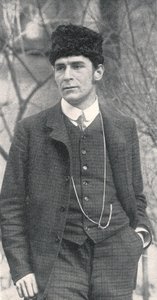
Franz Marc
1880 - 1916 , Alemania
Datos clave
- Artistas Que Influyeron:
- Vincent van Gogh
- Robert Delaunay
- Fecha De Muerte: 4 de marzo de 1916
- Fecha De Nacimiento: 8 de febrero de 1880
- Lugar De Nacimiento: Múnich, Alemania
- Movimiento Artístico: Expresionismo Alemán
- Movimientos Influenciados: ['Arte abstracto']
- Nacionalidad: Alemán
- Nombre Completo: Franz Marc
- Obras Notables:
- El Tigre
- Ciervo Rojo
- La Torre de Caballos Azules
- Los Zorros y el Destino
Artículos relacionados

Unmasking Emotion: A Journey Through the Raw Power and Visceral Beauty of German Expressionism
Explore the raw emotional power of German Expressionism. From Kirchner to Die Brücke, discover how artists used distortion and vibrant color to unmask the human psyche. A deep dive into art history for the discerning collector and enthusiast.

Animalia: Explorando la Presencia Duradera de los Animales en el Arte y el Diseño de Interiores
Descubre la fascinante historia de los animales en el arte y cómo inspirar tu hogar con su simbolismo. Expertos en reproducciones y asesoramiento artístico.

Expresionismo Alemán: 10 Obras Maestras que Transformaron el Arte | AllPaintingsStore
Descubre las 10 obras maestras del Expresionismo Alemán: Kirchner, Munch y más. Explora la historia, técnica y emoción detrás de estos lienzos icónicos. Reproducciones de arte de museo en AllPaintingsStore.com. ¡Inspira tu hogar con arte!

El Grito Visceral de una Nación: Explorando la Emoción y la Distorsión en el Expresionismo Alemán
Descubre el expresionismo alemán en profundidad. Analizamos sus orígenes, artistas clave como Kirchner y Kandinsky, técnicas innovadoras y su impacto duradero en el arte moderno. Guía para coleccionistas.

Franz Marc: Expressionism, Spirituality & the Animal Symbolism of a Modern Master
Explore the profound world of Franz Marc's Expressionist paintings. Discover his spiritual connection to animals, innovative use of color, and lasting impact on modern art history. Learn more at AllPaintingsStore.


