


 Vista previa
 Compartir
 Compartir
 Ver detalles
 Guía
Guía

 Descargar
 Ver artículos similares
 Radiografía
 Presentación de diapositivas
 Estadísticas
The Shepherdness


 Leer más
Giclée / Impresión de arte
Impresiones giclée o en lienzo de calidad de museo con producción rápida y opciones de acabado flexibles. ( Encargar reproducción pintada a mano Ver versión en imagen digital)




P118B €10

P118H €10

P118W €10

P438Z €10

P508JH €12

P508YH €12

P805H €10

P805Z €10

P919BZ €10

P919G €10

P919XJ €10

P959ZH €10

P968JZ €12

W106C €8

W218G €10

W218JH €8

W218Y €10

W307PJ €10

W316G €10

W316PJ €8

W316Y €10

W398PJ €8

W4111J €10

W500HY €15

W500JH €15

W692G €12

W849H €8

W940BG €15

W953PJ €8




Elija entre nuestros tamaños predefinidos que respetan las proporciones originales de la obra.

Introduzca el ancho y el alto que necesite para adaptarse a su marco o pared. Una impresión solo puede recortarse, nunca hacerse más grande que la imagen original, por lo que un tamaño con una forma distinta perderá parte de la obra. Le enviaremos una maqueta digital para su aprobación antes de realizar cualquier impresión. La imagen que se muestra en esta página no refleja el recorte real; solo la maqueta lo hace.
Envío a todo el mundo () en 2 semanas en lugar de las 4/5 semanas estándar. (24 octubre)

Envío exprés gratuito a todo el mundo

Lienzo de lino de alta calidad

Seguro de envío completo

Garantía de reembolso de impuestos aduaneros

Garantía de fidelidad cromática exacta

Política de devolución de 100 días (solo por defectos)

Garantía de devolución del 100% del dinero

Oferta por volumen
 La opción de vidrio solo está disponible en tamaños inferiores a 110 cm.

The Shepherdness
Giclée / Impresión de arte
Tamaño de la reproducción
-


Precio total
€ 56
A Silent Plea for Comfort Amidst Suffering
In the quiet, evocative depths of Franz Marc’s 1912 woodcut, "The Shepherdess," we encounter more than just a mere depiction of figures; we enter a realm of profound spiritual contemplation. This masterpiece stands as a poignant emblem of the German Expressionist vision, where the artist seeks to transcend the surface of reality to touch the very soul of existence. Born in Munich amidst personal tragedy, Marc’s early encounters with grief and loss—most notably the death of his mother to tuberculosis—imbued his work with an unparalleled sensitivity to vulnerability. In this piece, we see that sensitivity distilled into a powerful visual language of compassion and shared human experience.
The composition centers on a deeply intimate scene: a woman lying in bed, her form embodying a delicate state of illness and fragility. She is not alone in her suffering; she is cradled by two other women whose presence offers a silent, steadfast solace. This embrace serves as a profound symbol of familial love and the strength found in communal support during times of hardship. Through these intertwined figures, Marc captures the essence of human connection, suggesting that even in our most isolated moments of pain, there exists a tether to the warmth of others.
The Raw Power of Expressionist Technique
Marc’s approach in "The Shepherdess" eschews the polished perfection of academic realism in favor of an emotional resonance that is raw and immediate. Utilizing the woodcut print technique, the artist allows the very grain of the wood to emerge on the surface, adding a rugged, organic texture that reinforces the theme of natural simplicity. The stark, dramatic contrast between black and white does not merely define shapes; it amplifies the psychological weight of the scene, casting deep shadows that emphasize the gravity of the subjects' expressions.
The style is quintessentially Expressionist, characterized by simplified, almost rhythmic forms. We see elongated limbs and rounded features that convey a sense of serene movement despite the underlying sorrowful narrative. There is an intentional lack of realistic perspective; instead, the figures overlap within a flattened space, creating a sense of containment and intimacy that draws the viewer into their private world. For the collector or interior designer, this piece offers a striking visual anchor—a work that commands attention through its bold lines and decisive energy, yet invites quiet reflection through its soft, emotive subject matter.
A Legacy of Spiritual Harmony
To understand "The Shepherdess" is to understand the broader cultural ferment of early 20th-century Germany. Created during the height of the Der Blaue Reiter (The Blue Rider) era, the work reflects a period of intense spiritual searching and artistic rebellion against traditional conventions. Marc’s mission was to capture the "inner truth" of his subjects, moving away from objective representation toward a subjective, spiritualized reality. This piece serves as a window into that movement, where color—even in its monochromatic form here—and shape are used to communicate the unseen vibrations of life.
For those seeking to adorn a space with art that possesses both historical weight and emotional depth, this reproduction of Marc’s vision offers an unparalleled opportunity. It is a work that speaks to the themes of mortality, compassion, and the enduring strength of the human spirit. Whether placed in a curated gallery setting or as a focal point in a sophisticated living space, "The Shepherdess" continues to resonate with its timeless ability to turn a moment of quiet suffering into a monumental statement of love and resilience.
Preguntas y respuestas
¿Qué tan intensos son los colores de "The Shepherdness"?
El color de "The Shepherdness" presenta una saturación de Muted y una intensidad de Monochromatic.
¿Qué lugar ocupa "The Shepherdness" de Franz Marc en la historia del arte?
Históricamente, "The Shepherdness" es una obra German Expressionism de la más amplia era Modern.
¿A qué se debe el estado de los derechos de autor de "The Shepherdness"?
"The Shepherdness" de Franz Marc es de en el dominio público: sus derechos de autor han expirado. La duración de los derechos de autor comienza a partir del fallecimiento del artista, que ocurrió en 1916.
Obras relacionadas


Biografía del artista
Franz Marc: Un Pionero del Expresionismo Alemán
Primeros Años y Educación
- Franz Moritz Wilhelm Marc nació el 8 de febrero de 1880, en Múnich, Alemania.
- Su padre, Wilhelm Marc, era pintor de paisajes que inicialmente influyó en las inclinaciones artísticas de su hijo.
- Marc consideró la teología brevemente antes de dedicarse al arte, estudiando en la Academia de Bellas Artes de Múnich después de asistir a la Universidad de Múnich.
- Los primeros estudios incluían copiar a los maestros antiguos y explorar diversas técnicas artísticas.
Desarrollo Artístico e Influencias
- Inicialmente, el trabajo de Marc estuvo influenciado por el Impresionismo y los estilos de pintura académica.
- Un momento decisivo llegó durante las visitas a París donde conoció la obra de Vincent van Gogh, impactando profundamente su uso del color y la expresión emocional.
- Experimentó con diferentes grupos artísticos como la Neue Künstlervereinigung München antes de cofundar Der Blaue Reiter.
- La obra de Robert Delaunay también influyó en la exploración de formas abstractas y colores vibrantes de Marc.
Der Blaue Reiter y Obras Clave
- En 1911, Marc cofundó Der Blaue Reiter (El Caballo Azul) con Wassily Kandinsky, un periódico y grupo artístico que se convirtió en el centro del movimiento expresionista alemán.
- Este grupo buscaba significado espiritual en el arte y rechazaba las convenciones artísticas tradicionales.
- Obras notables de este período incluyen:
- El Tigre (1912) – mostrando su estilo en evolución y el uso simbólico de los animales.
- Ciervo Rojo (1912) - demostrando un enfoque creciente en los temas animales.
- La Torre de Caballos Azules, Los Zorros y el Destino de los Animales (1913) – representando la culminación de su visión artística.
Temas y Estilo Artístico
- El arte de Marc se caracteriza por sus colores vibrantes, formas simplificadas y representación simbólica de los animales.
- Creía que los animales poseían una pureza y una conexión espiritual con la naturaleza que los humanos habían perdido.
- Su uso del color no era meramente descriptivo sino expresivo, transmitiendo emociones e estados internos.
- Buscaba representar la esencia de sus sujetos en lugar de representaciones realistas.
Primera Guerra Mundial y Trágico Final
- Con el estallido de la Primera Guerra Mundial en 1914, Marc fue inscrito en el ejército alemán.
- A pesar de buscar exención debido a su estatus artístico, sirvió como caballería.
- Murió trágicamente el 4 de marzo de 1916, en la Batalla del Vardo.
- Su muerte truncó una prometedora carrera pero consolidó su lugar en la historia del arte.
Legado e Importancia Histórica
- La obra de Franz Marc sigue siendo altamente influyente por su uso expresivo del color, imágenes simbólicas y profundidad espiritual.
- Se considera una figura clave en el desarrollo del Expresionismo Alemán y un precursor del arte abstracto.
- Sus pinturas se exhiben en importantes museos de todo el mundo, incluido el Lenbachhaus en Múnich, que alberga una extensa colección de su obra.
- La visión artística de Marc continúa inspirando a los artistas e intrigando al público hoy en día.
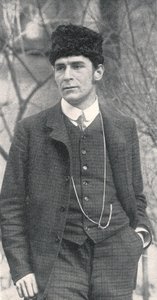
Franz Marc
1880 - 1916 , Alemania
Datos clave
- Artistas Que Influyeron:
- Vincent van Gogh
- Robert Delaunay
- Fecha De Muerte: 4 de marzo de 1916
- Fecha De Nacimiento: 8 de febrero de 1880
- Lugar De Nacimiento: Múnich, Alemania
- Movimiento Artístico: Expresionismo Alemán
- Movimientos Influenciados: ['Arte abstracto']
- Nacionalidad: Alemán
- Nombre Completo: Franz Marc
- Obras Notables:
- El Tigre
- Ciervo Rojo
- La Torre de Caballos Azules
- Los Zorros y el Destino
Artículos relacionados

The Enduring Legacy of Printmaking: Techniques, Themes & Artistic Innovation Across Centuries
Explore the rich history of printmaking with AllPaintingsStore. Discover techniques from intaglio to lithography, learn about collecting valuable prints & find museum-quality reproductions. Expert insights for art enthusiasts and collectors.

Giclée Prints: Archival Quality & Aesthetic Nuances for the Discerning Collector
Explore the world of giclée prints with AllPaintingsStore. Learn about archival quality, aesthetic nuances & investment potential. Expert guidance for discerning art collectors seeking museum-quality reproductions and lasting value.

The Enduring Legacy of Fine Art Prints: Technique, History & Aesthetic Impact
Explore the rich history & techniques of fine art prints. Discover investment potential, assess authenticity, and learn how to preserve your collection with expert guidance. Trusted insights for discerning collectors.

Expresionismo Alemán: 10 Obras Maestras que Transformaron el Arte | AllPaintingsStore
Descubre las 10 obras maestras del Expresionismo Alemán: Kirchner, Munch y más. Explora la historia, técnica y emoción detrás de estos lienzos icónicos. Reproducciones de arte de museo en AllPaintingsStore.com. ¡Inspira tu hogar con arte!

Mastering the Woodcut: A Definitive Guide to the Art of Relief Printing and its Historical Legacy
Explore the profound history and technical mastery of woodcut relief printing. From ancient origins to German Expressionism, discover how artists use the subtractive process to create iconic works. A definitive guide for art students, collectors, and historians.


