


 Ver en contexto
 Enviar
 Compartir
 Detalles

 Descargar
 Similares
 Radiografía
 Presentación de diapositivas
Two Sheep


 Ver más
Giclée / Impresión de arte
Impresiones giclée o en lienzo de calidad de museo con producción rápida y opciones de acabado flexibles. ( Comprar pintura hecha a mano Comprar imagen)




P118B $10

P118H $10

P118W $10

P438Z $10

P508JH $12

P508YH $12

P805H $10

P805Z $10

P919BZ $10

P919G $10

P919XJ $10

P959ZH $10

P968JZ $12

W106C $8

W218G $10

W218JH $8

W218Y $10

W307PJ $10

W316G $10

W316PJ $8

W316Y $10

W398PJ $8

W4111J $10

W500HY $15

W500JH $15

W692G $12

W849H $8

W940BG $15

W953PJ $8




Elija entre nuestros tamaños predefinidos que respetan las proporciones originales de la obra.

Puede introducir sus propias dimensiones para adaptarse a un marco o espacio específico. Si el tamaño seleccionado no coincide con las proporciones de la imagen original, recortaremos la obra de arte o extenderemos la imagen con un borde con efecto espejo o de color sólido. Se enviará una maqueta digital para su aprobación antes de que comience la producción.
Tenga en cuenta que la vista previa en pantalla no refleja el recorte o la extensión real. Solo la maqueta mostrará con precisión la composición final.
Aunque existen tamaños personalizados, recomendamos seleccionar una dimensión de la lista predefinida para preservar las proporciones originales.
Envío a todo el mundo () en 2 semanas en lugar de las 4/5 semanas estándar. (22 agosto)

Envío exprés gratuito a todo el mundo

Lienzo de lino de alta calidad

Seguro de envío total

Garantía de reembolso de impuestos aduaneros

Garantía de fidelidad cromática exacta

Política de devolución de 60 días (solo por defectos)

Garantía de devolución del 100% del dinero

Descuento por cantidad
 La opción de vidrio solo está disponible en tamaños inferiores a 110 cm.

Two Sheep
Giclée / Impresión de arte
Dimensiones de la reproducción
-


Precio total final
$ 64
Descripción de la pieza
A Moment of Serene Intensity: Franz Marc's "Two Sheep"
Franz Marc’s “Two Sheep,” painted in 1913, isn’t merely a depiction of animals; it’s a profound exploration of the spiritual essence of life as perceived through the lens of early Expressionism. This work, rendered with Marc's signature vibrant palette and deeply emotive brushwork, transcends simple representation to become a meditation on instinct, connection, and the inherent beauty found within the natural world. The painting immediately draws the viewer in with its bold use of color – deep blues and greens dominate, punctuated by earthy browns and ochres—creating an atmosphere both tranquil and subtly charged.
The composition itself is deceptively simple. Two sheep stand side-by-side, their forms rendered with a loose, almost childlike quality that speaks to Marc’s desire to strip away the complexities of human perception and access a more primal understanding. They gaze outwards, seemingly lost in contemplation or perhaps anticipating an unseen event. The inclusion of a solitary figure in the background, partially obscured by the landscape, adds a layer of mystery – is this a shepherd observing his flock, or a representation of humanity’s relationship with nature? The sheep's posture and direct gaze invite us to share their silent awareness, fostering a sense of empathy and connection.
The Roots of Expressionism: Marc’s Spiritual Quest
Franz Marc’s artistic journey was deeply intertwined with his spiritual beliefs. Initially influenced by his father’s landscape painting, he later found himself grappling with questions of faith and existence, a period that profoundly shaped his work. His encounter with Vincent van Gogh's expressive use of color proved particularly transformative, igniting within him a desire to capture not just the appearance of things but also their underlying emotional resonance. Marc sought to translate this inner experience onto canvas, believing that art could serve as a conduit for spiritual insight – a way to access and communicate the fundamental truths of life.
The painting’s context within the broader artistic landscape is crucial to understanding its significance. “Two Sheep” was created during a period of intense experimentation and innovation in German art, particularly within the circle of Der Blaue Reiter (The Blue Rider). This group, comprised of artists like Wassily Kandinsky and August Macke, sought to break free from traditional academic conventions and explore new ways of representing the world. Marc’s work exemplifies this spirit of rebellion, prioritizing emotional expression over realistic depiction. The use of flattened perspective, simplified forms, and intense color harmonies are hallmarks of Expressionism, aiming to evoke a specific mood or feeling rather than simply mirroring reality.
Color as Soul: Marc's Palette and Technique
Marc’s mastery lies not just in his subject matter but also in his extraordinary command of color. He employed a technique known as “color-forms,” where shapes are defined primarily by their hue rather than precise outlines. This approach creates an almost dreamlike quality, blurring the boundaries between objects and imbuing them with symbolic weight. The blues and greens evoke feelings of serenity, introspection, and connection to nature – while the earthy tones ground the scene in a sense of earthly reality.
His brushwork is equally expressive, characterized by loose, gestural strokes that convey movement and energy. Marc wasn’t interested in meticulously rendering every detail; instead, he prioritized capturing the essence of his subjects—their spirit, their vitality. The painting feels alive, imbued with a sense of quiet intensity. The layering of colors creates depth and luminosity, drawing the viewer into the scene and inviting them to contemplate the sheep's silent world.
A Legacy of Spiritual Vision
“Two Sheep” remains a powerful testament to Franz Marc’s artistic vision. It is more than just a painting of animals; it’s an invitation to connect with the deeper rhythms of nature and to contemplate the mysteries of existence. Reproductions of this work, meticulously crafted by AllPaintingsStore.com, offer a remarkable opportunity to experience the emotional depth and spiritual resonance of Marc's masterpiece in your own home or studio. The vibrant colors and expressive brushwork are faithfully reproduced, allowing you to immerse yourself in the artist’s unique perspective and appreciate the enduring beauty of this iconic work.
Obras relacionadas


Biografía del artista
Franz Marc: Un Pionero del Expresionismo Alemán
Primeros Años y Educación
- Franz Moritz Wilhelm Marc nació el 8 de febrero de 1880, en Múnich, Alemania.
- Su padre, Wilhelm Marc, era pintor de paisajes que inicialmente influyó en las inclinaciones artísticas de su hijo.
- Marc consideró la teología brevemente antes de dedicarse al arte, estudiando en la Academia de Bellas Artes de Múnich después de asistir a la Universidad de Múnich.
- Los primeros estudios incluían copiar a los maestros antiguos y explorar diversas técnicas artísticas.
Desarrollo Artístico e Influencias
- Inicialmente, el trabajo de Marc estuvo influenciado por el Impresionismo y los estilos de pintura académica.
- Un momento decisivo llegó durante las visitas a París donde conoció la obra de Vincent van Gogh, impactando profundamente su uso del color y la expresión emocional.
- Experimentó con diferentes grupos artísticos como la Neue Künstlervereinigung München antes de cofundar Der Blaue Reiter.
- La obra de Robert Delaunay también influyó en la exploración de formas abstractas y colores vibrantes de Marc.
Der Blaue Reiter y Obras Clave
- En 1911, Marc cofundó Der Blaue Reiter (El Caballo Azul) con Wassily Kandinsky, un periódico y grupo artístico que se convirtió en el centro del movimiento expresionista alemán.
- Este grupo buscaba significado espiritual en el arte y rechazaba las convenciones artísticas tradicionales.
- Obras notables de este período incluyen:
- El Tigre (1912) – mostrando su estilo en evolución y el uso simbólico de los animales.
- Ciervo Rojo (1912) - demostrando un enfoque creciente en los temas animales.
- La Torre de Caballos Azules, Los Zorros y el Destino de los Animales (1913) – representando la culminación de su visión artística.
Temas y Estilo Artístico
- El arte de Marc se caracteriza por sus colores vibrantes, formas simplificadas y representación simbólica de los animales.
- Creía que los animales poseían una pureza y una conexión espiritual con la naturaleza que los humanos habían perdido.
- Su uso del color no era meramente descriptivo sino expresivo, transmitiendo emociones e estados internos.
- Buscaba representar la esencia de sus sujetos en lugar de representaciones realistas.
Primera Guerra Mundial y Trágico Final
- Con el estallido de la Primera Guerra Mundial en 1914, Marc fue inscrito en el ejército alemán.
- A pesar de buscar exención debido a su estatus artístico, sirvió como caballería.
- Murió trágicamente el 4 de marzo de 1916, en la Batalla del Vardo.
- Su muerte truncó una prometedora carrera pero consolidó su lugar en la historia del arte.
Legado e Importancia Histórica
- La obra de Franz Marc sigue siendo altamente influyente por su uso expresivo del color, imágenes simbólicas y profundidad espiritual.
- Se considera una figura clave en el desarrollo del Expresionismo Alemán y un precursor del arte abstracto.
- Sus pinturas se exhiben en importantes museos de todo el mundo, incluido el Lenbachhaus en Múnich, que alberga una extensa colección de su obra.
- La visión artística de Marc continúa inspirando a los artistas e intrigando al público hoy en día.
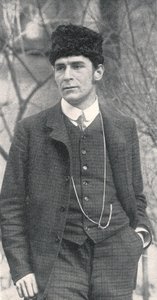
Franz Marc
1880 - 1916 , Alemania
Datos clave
- Artistas Que Influyeron:
- Vincent van Gogh
- Robert Delaunay
- Fecha De Muerte: 4 de marzo de 1916
- Fecha De Nacimiento: 8 de febrero de 1880
- Lugar De Nacimiento: Múnich, Alemania
- Movimiento Artístico: Expresionismo Alemán
- Movimientos Influenciados: ['Arte abstracto']
- Nacionalidad: Alemán
- Nombre Completo: Franz Marc
- Obras Notables:
- El Tigre
- Ciervo Rojo
- La Torre de Caballos Azules
- Los Zorros y el Destino
Artículos relacionados

Expresionismo Alemán: 10 Obras Maestras que Transformaron el Arte | AllPaintingsStore
Descubre las 10 obras maestras del Expresionismo Alemán: Kirchner, Munch y más. Explora la historia, técnica y emoción detrás de estos lienzos icónicos. Reproducciones de arte de museo en AllPaintingsStore.com. ¡Inspira tu hogar con arte!

Franz Marc: Expressionism, Spirituality & the Animal Symbolism of a Modern Master
Explore the profound world of Franz Marc's Expressionist paintings. Discover his spiritual connection to animals, innovative use of color, and lasting impact on modern art history. Learn more at AllPaintingsStore.

Animalia: Explorando la Presencia Duradera de los Animales en el Arte y el Diseño de Interiores
Descubre la fascinante historia de los animales en el arte y cómo inspirar tu hogar con su simbolismo. Expertos en reproducciones y asesoramiento artístico.

Unmasking Emotion: A Journey Through the Raw Power and Visceral Beauty of German Expressionism
Explore the raw emotional power of German Expressionism. From Kirchner to Die Brücke, discover how artists used distortion and vibrant color to unmask the human psyche. A deep dive into art history for the discerning collector and enthusiast.

Beyond the Screen: Transforming Personal Memories into Timeless AI-Driven Anime Masterpieces
Experience the magic of digital metamorphosis. Transform your cherished photos into stunning, hand-painted anime masterpieces using our proprietary AI technology and professional artists. Elevate your personal story with a timeless, high-quality oil painting on canvas.


