


 Vista previa
 Compartir
 Compartir
 Ver detalles
 Guía
Guía

 Descargar
 Ver artículos similares
 Radiografía
 Presentación de diapositivas
 Estadísticas
The Minervakamin chimneypiece in the hallway of the Nuremberg Rathaus


 Leer más
Reproducción al óleo hecha a mano
Óleo sobre lienzo pintado a mano en el tamaño y marco de su elección, realizado por encargo por nuestros artistas. ( Cambiar a formato impreso Ver versión en imagen digital)




P118B $10

P118H $10

P118W $10

P438Z $10

P508JH $12

P508YH $12

P805H $10

P805Z $10

P919BZ $10

P919G $10

P919XJ $10

P959ZH $10

P968JZ $12

W106C $8

W218G $10

W218JH $8

W218Y $10

W307PJ $10

W316G $10

W316PJ $8

W316Y $10

W398PJ $8

W4111J $10

W500HY $15

W500JH $15

W692G $12

W849H $8

W940BG $15

W953PJ $8




Elija entre nuestros tamaños predefinidos que respetan las proporciones originales de la obra.

Puede ingresar sus propias dimensiones para adaptarse a un marco o espacio específico. Si el tamaño seleccionado no coincide con las proporciones de la imagen original, recortaremos la obra o extenderemos la pintura con elementos adicionales pintados a mano. Se le enviará una maqueta digital para su aprobación antes de comenzar la producción.
Tenga en cuenta que la vista previa en pantalla no refleja el recorte o la extensión reales. Solo la maqueta mostrará con precisión la composición final.
Si bien existen tamaños personalizados, recomendamos seleccionar una dimensión de la lista predefinida para preservar las proporciones originales.
Tras realizar el pedido, el equipo de AllPaintingsStore.com enviará un correo electrónico al cliente para solicitar instrucciones y proporcionarle una vista previa del boceto.
Envío a todo el mundo () en 3-4 semanas en lugar de las 5 semanas estándar. (21 septiembre). Sin comprometer la calidad.

Envío exprés gratuito a todo el mundo

Lienzo de lino de alta calidad

Seguro de envío completo

Garantía de reembolso de impuestos aduaneros

Garantía de fidelidad cromática exacta

Política de devolución de 100 días (solo por defectos)

Garantía de devolución del 100% del dinero

Oferta por volumen
 La opción de vidrio solo está disponible en tamaños inferiores a 110 cm.

The Minervakamin chimneypiece in the hallway of the Nuremberg Rathaus
Técnica de reproducción
Tamaño de la reproducción
-


Precio total
$ 258
A Grandeur Reclaimed: The Minervakamin Chimneypiece
In the heart of Nuremberg’s historic Rathaus, there exists a moment of architectural and artistic transcendence known as the Minervakamin chimneypiece. This breathtaking work serves not merely as a functional fireplace but as a monumental gateway into the soul of German craftsmanship. The piece presents a magnificent wooden structure, crowned by a meticulously carved stone archway that commands the attention of any who enter the hallway. As one gazes upon it, the eye is immediately drawn to the ethereal presence of sculpted angels flanking the arch, their forms emerging from the stone with a grace that suggests a divine guardianship over the civic halls of Nuremberg. The interplay between the dark, rich textures of the wood and the pale, intricate carvings creates a visual rhythm that speaks to the grandeur of an era where art and architecture were inseparable.
The composition is further enriched by a sophisticated layering of depth, as the chimneypiece acts as a frame for the world beyond itself. In the background, two paintings hang with a quiet dignity, flanking the central structure and adding a layer of narrative complexity to the scene. This arrangement creates a sense of an infinite gallery, where the architectural splendor of the Minervakamin serves as the anchor for a larger dialogue of historical importance. The technique employed in this depiction captures the subtle play of light across the carved surfaces, highlighting the delicate textures of the angelic wings and the rugged strength of the stone, inviting the viewer to step into a space where history feels palpably alive.
The Legacy of Georg Friedrich Schmidt
To understand the profound elegance of this work, one must look toward the mastery of its creator, Georg Friedrich Schmidt. A virtuoso of the Rococo period, Schmidt possessed an unparalleled ability to infuse his subjects with a refined, delicate sensibility. Though his career was marked by the precision of an engraver and the soft touch of a pastel painter, his contribution to the visual landscape of Germany remains monumental. His training at the Prussian Academy of Arts allowed him to master the subtleties of human expression and architectural detail, qualities that are vibrantly present in the depiction of this Nuremberg masterpiece. The way the light catches the edges of the carved figures reflects Schmidt’s signature ability to capture the ephemeral beauty of a moment through permanent medium.
For the discerning collector or interior designer, a reproduction of such a piece offers more than just decoration; it offers a connection to the Rococo spirit—a period defined by ornament, light, and an almost theatrical approach to beauty. Integrating the essence of the Minervakamin into a contemporary space provides a focal point of immense historical weight and aesthetic sophistication. It is a piece that invites conversation, acting as a window into the architectural triumphs of 1712 and beyond, making it an ideal acquisition for those looking to infuse their surroundings with a sense of timeless, European nobility.
Obras relacionadas


Biografía del artista
Early Life and Artistic Pursuits
Georg Friedrich Schmidt, a name now synonymous with the refined elegance of Rococo art, was born in Wandsbek, Germany, on January 24th, 1712. His early life unfolded within a family deeply rooted in the textile trade – a path initially envisioned for him. However, a nascent artistic talent quickly steered him away from looms and towards the captivating world of brushes and pigments. Recognizing his innate abilities, Schmidt’s parents granted him permission to pursue his passion at the Prussian Academy of Arts, marking the beginning of a remarkable career that would leave an indelible mark on 18th-century German art. This early exposure shaped his artistic sensibilities, fostering a meticulous attention to detail and a deep appreciation for the delicate balance between form and light – hallmarks of his distinctive style.Artistic Influences and Notable Works
Schmidt’s oeuvre is characterized by a remarkable sensitivity and an exquisite command of technique, firmly rooted in the Rococo movement. His work embodies the era's emphasis on grace, elegance, and playful ornamentation. He was profoundly influenced by artists like Antoine Pesne, a court painter who served as a mentor, introducing Schmidt to the Parisian art scene and fostering his understanding of French artistic traditions. Nicolas Lancret, another influential figure in Schmidt’s early training, further honed his skills in portraiture and pastel work. One of Schmidt's most celebrated achievements is undoubtedly “Self-Portrait with Spider” (circa 1750), a captivating piece housed at the Kunsthalle Bremen. This painting isn’t merely a likeness; it’s a profound exploration of human vulnerability, rendered with an astonishingly subtle use of light and shadow. The spider, a recurring motif in Schmidt's work, symbolizes both fragility and resilience – themes that resonate throughout his artistic output. Other notable works include depictions of the Schwedenhof, a panoramic view of the Imperial Castle, showcasing his mastery of perspective and composition, and “The Spittlertor Gate,” offering a glimpse into the urban landscape of Berlin.Professional Milestones and Associations
Schmidt’s career progressed steadily through various prestigious positions. He quickly gained recognition for his portraiture skills, eventually securing a coveted role as court painter – an honor bestowed upon him by Antoine Pesne, who championed his talent within the royal circles. This appointment opened doors to collaborations with prominent figures of the era and provided him with access to influential patrons. His military service, initially conscripted, was ultimately secured through the intervention of Friedrich Wilhelm von Grumbkow, a testament to Schmidt’s artistic merit. Later in life, he spent several years in St. Petersburg, Russia, serving as director of the Imperial School of Drawing, where he significantly contributed to the development of Russian portraiture techniques. His time in Russia allowed him to study and incorporate influences from various European styles, enriching his already considerable artistic repertoire.Legacy and Remembrance
Georg Friedrich Schmidt’s impact on the art world is undeniable. His portraits, particularly those of Frederick the Great, remain highly regarded for their psychological depth and technical brilliance. Schmidt's meticulous attention to detail, combined with his ability to capture subtle nuances of expression, established him as a leading portraitist of his time. His work continues to inspire artists and art enthusiasts alike, serving as a reminder of the enduring power of Rococo aesthetics. To further explore Schmidt’s artistic journey, one can visit his page on AllPaintingsStore.com, where a comprehensive collection of his works is available for viewing. Furthermore, delving into the Gurlitt Collection at the Kunstsammlungen und Museen Augsburg offers a fascinating opportunity to examine a significant body of Schmidt's work within a broader historical context. Examining the Rococo style itself – characterized by its elegance, refinement, and playful exuberance – provides valuable insight into the artistic principles that shaped Schmidt’s distinctive oeuvre. His legacy is preserved not only in museums but also through the continued appreciation of his masterful paintings, ensuring that his contribution to German art history remains vibrant and relevant for generations to come.
Georg Friedrich Schmidt
1712 - 1775 , Alemania
Datos clave
- Artistic Movement Or Style: Rococó
- Artists Or Movements Influenced By This Artist: ['Rococo']
- Artists Who Influenced This Artist:
- Antoine Pesne
- Nicolás Lancret
- Date Of Birth: 24 de enero 1712
- Date Of Death: 25 de enero 1775
- Full Name: Georg Friedrich Schmidt
- Nationality: Germano
- Notable Artworks:
- Autorretrato con araña
- Panorama del Castillo Imperial
- Place Of Birth: Wandsbek, Alemania
Artículos relacionados

Divine Beauty: A Curated Guide to the Celestial Majesty of Angelic Figures in Art History
Explore the profound beauty of angelic figures in art history. From Renaissance masterpieces to celestial symbolism, our expert guide offers a sophisticated journey through the divine imagery of the Old Masters for discerning collectors and art enthusiasts.

Las 10 Obras Maestras del Arte Dominadas por Tonos de Piedra |
Descubre las 10 pinturas más famosas dominadas por tonos de piedra. Explora la historia, técnica y significado de obras maestras del Renacimiento al Expresionismo. Encuentra reproducciones de arte exclusivas en .
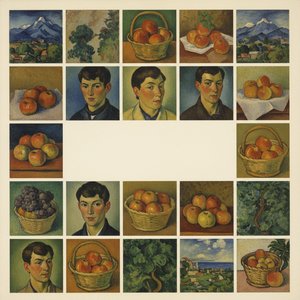
Paul Cézanne: Las 25 Obras Maestras que Definieron el Arte Moderno | AllPaintingsStore
Descubre las 25 obras maestras de Paul Cézanne que revolucionaron el arte moderno. Explora su técnica, inspiración y significado en paisajes, bodegones y retratos. Reproducciones de alta calidad para decorar tu hogar con arte inolvidable. ¡Explora la colección completa en AllPaintingsStore.com!

Celestial Messengers: A Comprehensive Exploration of Angelic Representation in Art History
Explore the captivating history of angels in art! Discover symbolism, iconic Renaissance masterpieces & renowned artists. Expert insights for art lovers & collectors at AllPaintingsStore.

Celestial Messengers: Angels in Painting – A Historical & Artistic Exploration
Explore the captivating history of angels in painting! Discover symbolism, iconic Renaissance & Byzantine masterpieces, and renowned artists. Expert insights for art lovers & collectors at AllPaintingsStore.

