


 Ver en contexto
 Enviar
 Compartir
 Detalles
 Guía
Guía

 Descargar
 Similares
 Radiografía
 Presentación de diapositivas
 Estadísticas
Cavalier


 Ver más
La obra de arte que se muestra en esta página está protegida por las leyes de propiedad intelectual, lo que significa que no podemos crear ni vender legalmente una reproducción idéntica. Esta protección se hace cumplir en virtud de acuerdos internacionales como el Convenio de Berna y por las leyes nacionales, incluidas aquellas establecidas por el Ley de derechos de autor de los EE. UU. - Título 17.
Este método cumple plenamente con las normativas de derechos de autor, ya que no implica la copia ni la duplicación de la obra protegida. En su lugar, se trata de una reinterpretación creativa: una nueva pintura influenciada por la original, pero que no es idéntica a ella.
Giclée / Impresión de arte
Impresiones giclée o en lienzo de calidad de museo con producción rápida y opciones de acabado flexibles. ( Comprar pintura hecha a mano Cambiar a imagen digital)




P118B €10

P118H €10

P118W €10

P438Z €10

P508JH €12

P508YH €12

P805H €10

P805Z €10

P919BZ €10

P919G €10

P919XJ €10

P959ZH €10

P968JZ €12

W106C €8

W218G €10

W218JH €8

W218Y €10

W307PJ €10

W316G €10

W316PJ €8

W316Y €10

W398PJ €8

W4111J €10

W500HY €15

W500JH €15

W692G €12

W849H €8

W940BG €15

W953PJ €8




Elija entre nuestros tamaños predefinidos que respetan las proporciones originales de la obra.

Introduzca el ancho y el alto que necesite para adaptarse a su marco o pared. Una impresión solo puede recortarse, nunca hacerse más grande que la imagen original, por lo que un tamaño con una forma distinta perderá parte de la obra. Le enviaremos una maqueta digital para su aprobación antes de realizar cualquier impresión. La imagen que se muestra en esta página no refleja el recorte real; solo la maqueta lo hace.
Envío a todo el mundo () en 2 semanas en lugar de las 4/5 semanas estándar. (27 octubre)

Envío exprés gratuito a todo el mundo

Lienzo de lino de alta calidad

Seguro de envío total

Garantía de reembolso de aranceles aduaneros

Garantía de fidelidad cromática exacta

Política de devolución de 100 días (solo por defectos)

Garantía de devolución del 100% del dinero

Descuento por cantidad
 La opción de vidrio solo está disponible en tamaños inferiores a 110 cm.

Cavalier
Giclée / Impresión de arte
Dimensiones de la reproducción
-


Precio total final
€ 56
A Fragmented Vision: The Cubist Revolution in Braque’s Cavalier
To gaze upon Georges Braque’s "Cavalier" is to witness the very moment the mirror of traditional art was shattered and reassembled into something far more profound. Created in 1910, this masterpiece stands as a cornerstone of the Cubist movement, an era that irrevocably altered the course of Western art history. Rather than offering a mere window into a recognizable scene, Braque presents us with a deliberate dismantling of perspective. The subject—a horse and rider—is not presented as a static entity captured in a single moment of light, but as a complex arrangement of interlocking planes and geometric truths. It is an invitation to look past the surface of the world to find the structural rhythm beneath.
In this seminal work, Braque moves beyond the fleeting impressions of his predecessors to explore the concept of simultaneity. The horse's powerful form is fractured into angular segments, mirroring the rider’s posture and creating a disconcerting yet mesmerizing illusion of depth. This technique allows the viewer to experience multiple viewpoints at once, challenging the brain to reconstruct the subject from its constituent parts. For the discerning collector or interior designer, this piece offers more than just visual interest; it provides a sophisticated intellectual anchor, embodying the tension between chaos and order that defines the modern era.
The Mastery of Analytical Cubism
The technical execution of "Cavalier" reveals Braque’s profound engagement with the tactile nature of painting. Employing what is known as Analytical Cubism, Braque prioritized meticulous detail and subtle tonal gradation over expressive or flamboyant brushstrokes. His background, rooted in a family of house painters and decorators, is evident in his disciplined hand. He painstakingly rendered the musculature of the horse through precise lines and a muted palette of earthy tones, ensuring that form and structure remained the primary protagonists of the composition.
There is a remarkable materiality to this work, achieved through a layering process that suggests a rich, textured surface. By utilizing subtle shading and carefully controlled light, Braque creates a sense of weight and presence despite the abstraction of the subject. This precision transforms the canvas from a flat plane into a sculptural space where light and shadow dance in a complex embrace. For those seeking to adorn a space with art that commands attention through subtlety rather than noise, "Cavalier" serves as an exquisite example of how technical rigor can elevate abstract thought into a tangible, emotive experience.
A Legacy of Intellectual Depth and Aesthetic Grace
Beyond its stylistic innovation, "Cavalier" carries a profound philosophical weight. It reflects the early 20th-century preoccupation with the subjectivity of perception—the idea that true understanding requires acknowledging the fragmented and multifaceted nature of reality. The rider and horse are not merely figures in a landscape; they are symbols of a new way of seeing, where the boundaries between object and space begin to dissolve. This sense of movement and deconstruction creates an emotional impact that is both unsettling and deeply captivating.
Integrating a high-quality reproduction of this work into a curated collection or a contemporary interior offers a unique opportunity to celebrate the avant-garde. The painting’s subdued color palette and sophisticated geometry allow it to harmonize with a variety of modern aesthetics, from minimalist galleries to richly textured, classical rooms. Owning a piece that captures Braque's revolutionary spirit is an homage to the enduring power of human creativity and the eternal quest to redefine the limits of vision.
Preguntas y respuestas
¿A qué etapa de la trayectoria de Georges Braque pertenece "Cavalier"?
Dentro de la trayectoria de Georges Braque, "Cavalier" pertenece al Analytical Cubism. Esta etapa permite compararla con otras obras del artista.
¿Quién es el autor de "Cavalier"?
"Cavalier" se atribuye a Georges Braque.
¿Cómo equilibra la luz y la sombra "Cavalier"?
Los valores registrados para "Cavalier" de Georges Braque son: brilliant de brillo y Luminous de luminancia.
Obras relacionadas


Biografía del artista
**vida temprana y formación**
georges braque, un destacado pintor francés, collageador, dibujante, grabador y escultor, nació el 13 de mayo de 1882 en Argelo, Val-d'Oise. Creció en Le Havre y inicialmente se formó para ser pintor de casas y decorador, como su padre y abuelo. Sin embargo, las inclinaciones artísticas de Braque lo llevaron a estudiar pintura en la École des Beaux-Arts en Le Havre de 1897 a 1899.**evolución artística y fauvismo**
En 1902, después de completar su aprendizaje con un decorador en París, Braque asistió a la Academia Humbert hasta 1904. Este período marcó su introducción al fauvismo, un estilo caracterizado por colores vibrantes y respuestas emocionales. Influenciado por las obras de henri matisse y andré derain, Braque adoptó un enfoque fauvista, como se ve en su pintura the patience (fauvismo, óleo sobre lienzo).**contribución al cubismo**
La colaboración de Braque con pablo picasso desde 1908 hasta 1912 llevó al desarrollo del cubismo. Sus obras cubistas analíticas, como georges braque: the patience y pablo picasso: clarinet(cubismo analítico, óleo sobre lienzo), se consideran hitos en la historia del arte.**legado y obras notables**
* Houses at l'Estaque: un testimonio del uso innovador de la geometría y la perspectiva simultánea de Braque. * The Patience(fauvismo, óleo sobre lienzo): demuestra el estilo fauvista de Braque. * Clarinet(cubismo analítico, óleo sobre lienzo): una obra cubista colaborativa con Picasso.**museos y colecciones**
* Musée d'Orsay: presenta una extensa colección de arte impresionista y postimpresionista, incluyendo obras de Braque. * Musée de l'Orangerie: exhibe una amplia gama de obras de arte, incluyendo las de Braque y otros artistas notables.- Descubra más sobre la vida y obra de Georges Braque en AllPaintingsStore.com
- Explore la colección del Musée d'Orsay, que presenta obras de Braque y otros artistas, en Musée d'Orsay - Wikipedia
- Aprenda más sobre el fauvismo y su influencia en el desarrollo del cubismo con el movimiento artístico fauvista en AllPaintingsStore.com
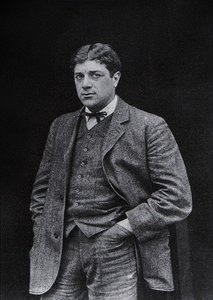
Georges Braque
1882 - 1963 , Francia
Datos clave
- Artistas Influenciados Por Este Artista: ['Pablo Picasso']
- Artistas Que Influyeron:
- Henri Matisse
- André Derain
- Paul Cézanne
- Fecha De Muerte: 31 de agosto de 1963
- Fecha De Nacimiento: 13 de mayo de 1882
- Lugar De Nacimiento: Argenteuil, Francia
- Movimiento Artístico: Cubismo, Fauvismo
- Nacionalidad: Francés
- Nombre Completo: Georges Braque
- Obras Notables:
- Casas en L'Estaque
- La paciencia (Fauvismo)
- Violin y Paleta
- Mandola
Artículos relacionados

Cubist Expression: A Professional Guide to Integrating Geometric Abstraction into Modern Hospitality Design
Elevate hospitality interiors with Cubist art. Our expert guide explores integrating geometric abstraction into hotel design through high-quality, large-scale oil reproductions and custom multi-panel commissions tailored for professional designers and procurement managers.


