


 Vista previa
 Compartir
 Compartir
 Ver detalles
 Guía
Guía

 Descargar
 Ver artículos similares
 Radiografía
 Presentación de diapositivas
 Estadísticas
Still life with bread


 Leer más
Giclée / Impresión de arte
Impresiones giclée o en lienzo de calidad de museo con producción rápida y opciones de acabado flexibles. ( Encargar reproducción pintada a mano Ver versión en imagen digital)




P118B $10

P118H $10

P118W $10

P438Z $10

P508JH $12

P508YH $12

P805H $10

P805Z $10

P919BZ $10

P919G $10

P919XJ $10

P959ZH $10

P968JZ $12

W106C $8

W218G $10

W218JH $8

W218Y $10

W307PJ $10

W316G $10

W316PJ $8

W316Y $10

W398PJ $8

W4111J $10

W500HY $15

W500JH $15

W692G $12

W849H $8

W940BG $15

W953PJ $8




Elija entre nuestros tamaños predefinidos que respetan las proporciones originales de la obra.

Puede introducir sus propias dimensiones para adaptarse a un marco o espacio específico. Si el tamaño seleccionado no coincide con las proporciones de la imagen original, recortaremos la obra de arte o extenderemos la imagen con un borde con efecto espejo o de color sólido. Se enviará una maqueta digital para su aprobación antes de que comience la producción.
Tenga en cuenta que la vista previa en pantalla no refleja el recorte o la extensión real. Solo la maqueta mostrará con precisión la composición final.
Aunque existen tamaños personalizados, recomendamos seleccionar una dimensión de la lista predefinida para preservar las proporciones originales.
Envío a todo el mundo () en 2 semanas en lugar de las 4/5 semanas estándar. (26 septiembre)

Envío exprés gratuito a todo el mundo

Lienzo de lino de alta calidad

Seguro de envío completo

Garantía de reembolso de impuestos aduaneros

Garantía de fidelidad cromática exacta

Política de devolución de 100 días (solo por defectos)

Garantía de devolución del 100% del dinero

Oferta por volumen
 La opción de vidrio solo está disponible en tamaños inferiores a 110 cm.

Still life with bread
Giclée / Impresión de arte
Tamaño de la reproducción
-


Precio total
$ 64
Georges Braque's Still Life with Bread: A Cubist Exploration of Form and Texture
This meticulously crafted hand-painted reproduction captures Georges Braque’s seminal “Still life with bread,” a pivotal work that cemented his place as one of the pioneers of Cubism. Executed around 1909-1910, this piece isn't merely a depiction of everyday objects; it’s an intensely analytical investigation into perception and representation, reflecting the radical shifts occurring within the art world at the turn of the century.
- Subject Matter: The composition centers on a carefully arranged collection of domestic items – a bowl, cup, vase, bottle, loaf of bread, and fruit – transforming familiar objects into subjects of profound artistic inquiry.
- Cubist Technique: Braque’s masterful application of Cubism is immediately apparent. He dismantles the traditional illusionistic space, presenting multiple viewpoints of each object simultaneously. The bowl dominates the left side, its form fractured and reassembled through intersecting planes, while the cup offers a counterpoint in the central area.
- Color Palette: The subdued palette – primarily ochres, browns, and muted blues – reinforces the painting’s intellectual rigor. Braque deliberately avoided bright colors, focusing instead on exploring tonal variations and textural contrasts to emphasize the formal qualities of his subject matter.
Historical Context and Artistic Influences
Braque's “Still life with bread” emerged during a period of intense experimentation within the Parisian avant-garde. He was deeply influenced by Paul Cézanne’s emphasis on geometric forms and his exploration of multiple perspectives, as well as the work of Pablo Picasso, with whom he collaborated closely in developing Cubism. This collaboration marked a crucial moment in art history, fundamentally altering the way artists approached representation.
The painting reflects the broader intellectual currents of the time – the rise of scientific thinking and the questioning of established norms. Braque’s approach mirrored this spirit of inquiry, challenging viewers to reconsider their own perceptions of reality. The work's creation coincided with a period of intense debate about the nature of art itself, pushing boundaries and redefining what was considered ‘beautiful’ or ‘meaningful’ in visual representation.
Symbolism and Emotional Impact
While seemingly straightforward, the “Still life with bread” possesses layers of symbolic meaning. The loaf of bread, a staple of daily life, could represent sustenance, nourishment, and perhaps even mortality – themes frequently explored in still-life traditions. The fruit adds to this sense of abundance and earthly connection.
Beyond its symbolic content, the painting evokes a powerful sense of intellectual engagement. Braque’s deliberate distortion invites viewers to actively participate in the act of seeing, demanding attention to form, space, and light. It's not about passively observing a scene; it’s about critically analyzing and reconstructing it within one’s own mind.
A Statement Piece for Your Collection
This hand-painted reproduction offers an exceptional opportunity to bring a masterpiece of modern art into your home or office. Crafted with meticulous attention to detail, this artwork captures the essence of Braque's revolutionary vision. Its suitability extends beyond mere decoration; it’s a conversation starter, a testament to artistic innovation, and a valuable addition to any discerning collection. The textured surface and rich color palette faithfully recreate the original painting's impact, ensuring that its profound beauty and intellectual depth will be appreciated for generations to come.
Obras relacionadas


Biografía del artista
**vida temprana y formación**
georges braque, un destacado pintor francés, collageador, dibujante, grabador y escultor, nació el 13 de mayo de 1882 en Argelo, Val-d'Oise. Creció en Le Havre y inicialmente se formó para ser pintor de casas y decorador, como su padre y abuelo. Sin embargo, las inclinaciones artísticas de Braque lo llevaron a estudiar pintura en la École des Beaux-Arts en Le Havre de 1897 a 1899.**evolución artística y fauvismo**
En 1902, después de completar su aprendizaje con un decorador en París, Braque asistió a la Academia Humbert hasta 1904. Este período marcó su introducción al fauvismo, un estilo caracterizado por colores vibrantes y respuestas emocionales. Influenciado por las obras de henri matisse y andré derain, Braque adoptó un enfoque fauvista, como se ve en su pintura the patience (fauvismo, óleo sobre lienzo).**contribución al cubismo**
La colaboración de Braque con pablo picasso desde 1908 hasta 1912 llevó al desarrollo del cubismo. Sus obras cubistas analíticas, como georges braque: the patience y pablo picasso: clarinet(cubismo analítico, óleo sobre lienzo), se consideran hitos en la historia del arte.**legado y obras notables**
* Houses at l'Estaque: un testimonio del uso innovador de la geometría y la perspectiva simultánea de Braque. * The Patience(fauvismo, óleo sobre lienzo): demuestra el estilo fauvista de Braque. * Clarinet(cubismo analítico, óleo sobre lienzo): una obra cubista colaborativa con Picasso.**museos y colecciones**
* Musée d'Orsay: presenta una extensa colección de arte impresionista y postimpresionista, incluyendo obras de Braque. * Musée de l'Orangerie: exhibe una amplia gama de obras de arte, incluyendo las de Braque y otros artistas notables.- Descubra más sobre la vida y obra de Georges Braque en AllPaintingsStore.com
- Explore la colección del Musée d'Orsay, que presenta obras de Braque y otros artistas, en Musée d'Orsay - Wikipedia
- Aprenda más sobre el fauvismo y su influencia en el desarrollo del cubismo con el movimiento artístico fauvista en AllPaintingsStore.com
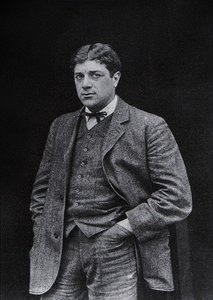
Georges Braque
1882 - 1963 , Francia
Datos clave
- Artistas Influenciados Por Este Artista: ['Pablo Picasso']
- Artistas Que Influyeron:
- Henri Matisse
- André Derain
- Paul Cézanne
- Fecha De Muerte: 31 de agosto de 1963
- Fecha De Nacimiento: 13 de mayo de 1882
- Lugar De Nacimiento: Argenteuil, Francia
- Movimiento Artístico: Cubismo, Fauvismo
- Nacionalidad: Francés
- Nombre Completo: Georges Braque
- Obras Notables:
- Casas en L'Estaque
- La paciencia (Fauvismo)
- Violin y Paleta
- Mandola
Artículos relacionados

Synthetic Cubism Explained: A Professional Guide to Texture, Collage, and Geometric Abstraction for Modern Interior Design
Master the use of Synthetic Cubism in modern hospitality design. Our expert guide explores texture, collage, and geometric abstraction to help designers source premium, large-scale oil reproductions for hotels and corporate spaces with professional reliability.


