


 Ver en contexto
 Enviar
 Compartir
 Detalles

 Descargar
 Similares
 Radiografía
 Presentación de diapositivas
The Blue Washbasin
 Oil
Oil- WallArt
- Analytical Cubism
 1942
1942- Modern
 60.0 x 80.0 cm
 Ver más
Giclée / Impresión de arte
Impresiones giclée o en lienzo de calidad de museo con producción rápida y opciones de acabado flexibles. ( Comprar pintura hecha a mano Comprar imagen)




P118B $10

P118H $10

P118W $10

P438Z $10

P508JH $12

P508YH $12

P805H $10

P805Z $10

P919BZ $10

P919G $10

P919XJ $10

P959ZH $10

P968JZ $12

W106C $8

W218G $10

W218JH $8

W218Y $10

W307PJ $10

W316G $10

W316PJ $8

W316Y $10

W398PJ $8

W4111J $10

W500HY $15

W500JH $15

W692G $12

W849H $8

W940BG $15

W953PJ $8




Elija entre nuestros tamaños predefinidos que respetan las proporciones originales de la obra.

Puede introducir sus propias dimensiones para adaptarse a un marco o espacio específico. Si el tamaño seleccionado no coincide con las proporciones de la imagen original, recortaremos la obra de arte o extenderemos la imagen con un borde con efecto espejo o de color sólido. Se enviará una maqueta digital para su aprobación antes de que comience la producción.
Tenga en cuenta que la vista previa en pantalla no refleja el recorte o la extensión real. Solo la maqueta mostrará con precisión la composición final.
Aunque existen tamaños personalizados, recomendamos seleccionar una dimensión de la lista predefinida para preservar las proporciones originales.
Envío a todo el mundo () en 2 semanas en lugar de las 4/5 semanas estándar. (24 agosto)

Envío exprés gratuito a todo el mundo

Lienzo de lino de alta calidad

Seguro de envío total

Garantía de reembolso de impuestos aduaneros

Garantía de fidelidad cromática exacta

Política de devolución de 60 días (solo por defectos)

Garantía de devolución del 100% del dinero

Descuento por cantidad
 La opción de vidrio solo está disponible en tamaños inferiores a 110 cm.

The Blue Washbasin
Giclée / Impresión de arte
Dimensiones de la reproducción
-


Precio total final
$ 64
Descripción de la pieza
A Symphony in Blue: Reimagining Reality through Braque
In the quiet corners of art history, few works possess the transformative power of Georges Braque’s "The Blue Washbasin." Painted during a period of profound artistic metamorphosis, this masterpiece serves as more than a mere arrangement of household objects; it is a window into the very soul of the Cubist revolution. At first glance, the viewer is greeted by a serene, almost meditative composition featuring a washbasin, a pitcher, and the humble presence of fruit—apples and bananas—resting near a chair. Yet, beneath this tranquil surface lies a radical deconstruction of the physical world. Braque does not simply paint what he sees; he paints the act of seeing itself, inviting us to move beyond the superficiality of light and shadow into a deeper, more structural understanding of existence.
The brilliance of the piece lies in its geometric fragmentation. Moving away from the traditional single-point perspective that had dominated Western art since the Renaissance, Braque employs a technique where objects are dissected into overlapping planes. The washbasin is not a solid, singular entity but a rhythmic dance of blue pigments, ranging from deep, nocturnal indigos to ethereal, pale cerulean. This deliberate use of color theory allows the artist to create depth without relying on illusionistic trickery. Instead, the weight and volume of the objects are felt through the tension between these fractured planes, creating a sense of movement that keeps the eye perpetually wandering across the canvas, discovering new angles and hidden dimensions with every glance.
The Tactile Soul of a Masterpiece
For the discerning collector or interior designer, the allure of "The Blue Washbasin" resides in its remarkable textural complexity. Braque, whose lineage was rooted in the practical craft of house painting and decoration, brought an unparalleled mastery of material to his canvases. In this work, one can sense the deliberate application of impasto—the thick, sculptural buildup of paint—particularly where the light hits the curves of the fruit. This tactile quality contrasts beautifully with smoother, more blended passages that define the porcelain-like surface of the basin. Such nuance provides a sensory richness that makes a high-quality reproduction feel alive within a room, offering a sophisticated focal point that commands attention through subtlety rather than noise.
Beyond its technical prowess, the painting carries an emotional resonance that is both grounding and intellectually stimulating. There is a certain stillness in the blue palette that evokes a sense of peace, yet the fractured composition introduces a subtle, underlying energy—a reminder of the complexity inherent in even the most mundane moments of life. It is a work of profound reflection, capturing the tension between the permanence of objects and the fleeting nature of human perception. To display such a piece is to invite a conversation about perspective, inviting guests to pause, reflect, and appreciate the structural beauty that exists within the everyday.
A Timeless Legacy for Modern Spaces
As we look back at the historical context of 1942, a time of global upheaval, Braque’s ability to find order and aesthetic truth in a simple still life becomes even more poignant. This painting stands as a bridge between the sensory delights of Post-Impressionism and the analytical rigor of Cubism. It remains an essential cornerstone for any serious collection of modern art, offering a sophisticated blend of historical significance and contemporary aesthetic appeal. Whether placed in a minimalist gallery setting or as a centerpiece in a richly textured living space, "The Blue Washbasin" continues to inspire awe, serving as a testament to the enduring power of the avant-garde to redefine our world.
Obras relacionadas


Biografía del artista
**vida temprana y formación**
georges braque, un destacado pintor francés, collageador, dibujante, grabador y escultor, nació el 13 de mayo de 1882 en Argelo, Val-d'Oise. Creció en Le Havre y inicialmente se formó para ser pintor de casas y decorador, como su padre y abuelo. Sin embargo, las inclinaciones artísticas de Braque lo llevaron a estudiar pintura en la École des Beaux-Arts en Le Havre de 1897 a 1899.**evolución artística y fauvismo**
En 1902, después de completar su aprendizaje con un decorador en París, Braque asistió a la Academia Humbert hasta 1904. Este período marcó su introducción al fauvismo, un estilo caracterizado por colores vibrantes y respuestas emocionales. Influenciado por las obras de henri matisse y andré derain, Braque adoptó un enfoque fauvista, como se ve en su pintura the patience (fauvismo, óleo sobre lienzo).**contribución al cubismo**
La colaboración de Braque con pablo picasso desde 1908 hasta 1912 llevó al desarrollo del cubismo. Sus obras cubistas analíticas, como georges braque: the patience y pablo picasso: clarinet(cubismo analítico, óleo sobre lienzo), se consideran hitos en la historia del arte.**legado y obras notables**
* Houses at l'Estaque: un testimonio del uso innovador de la geometría y la perspectiva simultánea de Braque. * The Patience(fauvismo, óleo sobre lienzo): demuestra el estilo fauvista de Braque. * Clarinet(cubismo analítico, óleo sobre lienzo): una obra cubista colaborativa con Picasso.**museos y colecciones**
* Musée d'Orsay: presenta una extensa colección de arte impresionista y postimpresionista, incluyendo obras de Braque. * Musée de l'Orangerie: exhibe una amplia gama de obras de arte, incluyendo las de Braque y otros artistas notables.- Descubra más sobre la vida y obra de Georges Braque en AllPaintingsStore.com
- Explore la colección del Musée d'Orsay, que presenta obras de Braque y otros artistas, en Musée d'Orsay - Wikipedia
- Aprenda más sobre el fauvismo y su influencia en el desarrollo del cubismo con el movimiento artístico fauvista en AllPaintingsStore.com
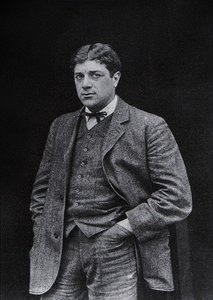
Georges Braque
1882 - 1963 , Francia
Datos clave
- Artistas Influenciados Por Este Artista: ['Pablo Picasso']
- Artistas Que Influyeron:
- Henri Matisse
- André Derain
- Paul Cézanne
- Fecha De Muerte: 31 de agosto de 1963
- Fecha De Nacimiento: 13 de mayo de 1882
- Lugar De Nacimiento: Argenteuil, Francia
- Movimiento Artístico: Cubismo, Fauvismo
- Nacionalidad: Francés
- Nombre Completo: Georges Braque
- Obras Notables:
- Casas en L'Estaque
- La paciencia (Fauvismo)
- Violin y Paleta
- Mandola
Artículos relacionados
Georges Braque: Las 25 Obras Maestras del Cubismo y su Legado en el Arte Moderno
Descubre las 25 obras maestras de Georges Braque, pionero del cubismo. Explora su innovadora técnica, colores y el legado del arte moderno francés. Reproducciones de alta calidad en AllPaintingsStore.com. ¡Encuentra tu inspiración!

Georges Seurat: Las 25 Obras Maestras del Pionero Puntillista | AllPaintingsStore
Descubre las 25 obras maestras de Georges Seurat, el innovador del puntillismo. Explora su técnica única, colores vibrantes y legado artístico en AllPaintingsStore.com. Reproducciones de arte de museo para tu hogar.
Las 10 Obras Maestras del Azul Pizarra: Arte, Historia y Decoración
Descubre las 10 pinturas más famosas dominadas por el azul pizarra. Explora la historia, técnica y belleza de Monet, Van Gogh y otros maestros. Encuentra reproducciones de arte exclusivas para decorar tu hogar en .

The Allure of Azure: Exploring the Symbolic & Aesthetic Depths of Blue in Art History
Explore the rich history of blue in art! Discover its symbolism, from ancient pigments to modern masterpieces by Kandinsky & Seurat. Uncover the psychological impact and cultural meanings behind this captivating hue.

Deconstructing Reality: A Comprehensive Exploration of Cubist Still Life
Explore the revolutionary world of Cubist Still Life with AllPaintingsStore. Discover Picasso & Braque's groundbreaking techniques, its philosophical roots, and lasting impact on modern art. Expert insights for collectors.


