- Inicio

- Impresión en lienzo
- Georges Braque
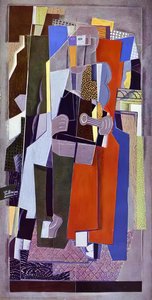
- The Studio (II)

 Preview
 Enviar
 Compartir
 Detalles

 Descargar
 Similares
 Radiografía
 Presentación de diapositivas
The Studio (II)


 Ver más
Giclée / Impresión de arte
Impresión giclée o en lienzo de calidad de museo con producción rápida y opciones de acabado flexibles. ( Switch to hand made Painting Switch to Image)




P118B $10

P118H $10

P118W $10

P438Z $10

P508JH $12

P508YH $12

P805H $10

P805Z $10

P919BZ $10

P919G $10

P919XJ $10

P959ZH $10

P968JZ $12

W106C $8

W218G $10

W218JH $8

W218Y $10

W307PJ $10

W316G $10

W316PJ $8

W316Y $10

W398PJ $8

W4111J $10

W500HY $15

W500JH $15

W692G $12

W849H $8

W940BG $15

W953PJ $8




Elija entre nuestros tamaños predefinidos que respetan las proporciones originales de la obra.

Puede introducir sus propias dimensiones para adaptarse a un marco o espacio específico. Si el tamaño seleccionado no coincide con las proporciones de la imagen original, recortaremos la obra de arte o extenderemos la imagen con un borde con efecto espejo o de color sólido. Se enviará una maqueta digital para su aprobación antes de que comience la producción.
Tenga en cuenta que la vista previa en pantalla no refleja el recorte o la extensión real. Solo la maqueta mostrará con precisión la composición final.
Aunque existen tamaños personalizados, recomendamos seleccionar una dimensión de la lista predefinida para preservar las proporciones originales.
Entrega mundial () en 2 semanas en lugar de las 4/5 semanas estándar. (30 julio)

Envío exprés gratuito a todo el mundo

Lienzo de lino de alta calidad

Seguro de envío total

Garantía de reembolso de impuestos aduaneros

Garantía de fidelidad de color

Política de devolución de 60 días (solo por defectos)

Garantía de devolución del 100% del dinero

Descuento por pedido múltiple
 La opción de vidrio solo está disponible en tamaños inferiores a 110 cm.

The Studio (II)
Giclée / Impresión de arte
Tamaño de la reproducción
-


Precio total final
$ 64
Descripción de la obra
A Still Life Reverie: Georges Braque’s “The Studio”
- Georges Braque's "The Studio" (II), painted in 1949, stands as a testament to the artist’s mastery of Cubist principles and his profound engagement with the aesthetic concerns of postwar Europe. This deceptively simple composition—a monochrome depiction of a studio interior—holds within it layers of intellectual and artistic significance that continue to resonate with viewers today.
- The painting's stylistic core resides in Braque’s unwavering commitment to Cubism, specifically Analytical Cubism developed alongside Pablo Picasso during their formative years. Unlike Impressionistic explorations of fleeting light and color, Braque sought to represent objects from multiple viewpoints simultaneously, fracturing them into geometric planes that overlap and interpenetrate. This technique isn't merely a stylistic choice; it’s an epistemological one—a deliberate attempt to challenge traditional notions of perspective and representation.
Compositional Harmony and Fragmented Reality
- The central focus is undeniably a vase, positioned prominently on a table. However, Braque doesn’t present this vase as a singular entity but rather dissects it into fragmented planes—a hallmark of Cubist methodology. Surrounding the main vase are several other vases scattered throughout the scene, creating a visual dialogue that emphasizes the multiplicity of perception.
- Alongside the vases is a bowl and a cup, meticulously arranged on the table surface. These objects contribute to the overall sense of stillness despite the fractured geometry dominating the composition. Braque’s careful placement guides the viewer's eye across the canvas, fostering contemplation about how we perceive and interpret visual information.
Figures Within Stillness: Presence and Observation
- Two figures inhabit the studio space—one positioned closer to the left side of the image and another situated centrally. Their presence introduces an element of human observation into what might otherwise appear as a purely formal exercise. Braque’s inclusion of these individuals subtly underscores the idea that art is not merely about depicting objects but also about capturing the act of seeing itself.
- The figures are rendered in muted tones, mirroring the monochrome palette of the painting and reinforcing its contemplative mood. They serve as anchors within the geometric abstraction, grounding the visual experience and inviting viewers to consider their own role as observers.
Symbolism and Contextual Significance
- "The Studio" reflects the broader artistic currents of the postwar period—a time marked by a renewed interest in abstraction and a desire to grapple with the trauma of World War II. Braque’s deliberate simplification of form aligns with the movement's rejection of sentimentalism and its embrace of intellectual rigor.
- The vases themselves can be interpreted as symbols of artistic creation—representing vessels for ideas, inspirations, and creative endeavors. Their repetition reinforces this thematic concern, prompting viewers to consider the role of art in shaping our understanding of the world.
Emotional Resonance: Quiet Contemplation
- Despite its geometric abstraction, “The Studio” possesses a remarkable emotional resonance. The subdued palette and careful composition evoke a sense of quiet contemplation—a stillness that invites viewers to pause and reflect on the beauty of form and structure. It’s a painting that speaks not to the senses but to the intellect, fostering an appreciation for the power of visual art to convey profound ideas.
Obras similares


Biografía del artista
**vida temprana y formación**
georges braque, un destacado pintor francés, collageador, dibujante, grabador y escultor, nació el 13 de mayo de 1882 en Argelo, Val-d'Oise. Creció en Le Havre y inicialmente se formó para ser pintor de casas y decorador, como su padre y abuelo. Sin embargo, las inclinaciones artísticas de Braque lo llevaron a estudiar pintura en la École des Beaux-Arts en Le Havre de 1897 a 1899.**evolución artística y fauvismo**
En 1902, después de completar su aprendizaje con un decorador en París, Braque asistió a la Academia Humbert hasta 1904. Este período marcó su introducción al fauvismo, un estilo caracterizado por colores vibrantes y respuestas emocionales. Influenciado por las obras de henri matisse y andré derain, Braque adoptó un enfoque fauvista, como se ve en su pintura the patience (fauvismo, óleo sobre lienzo).**contribución al cubismo**
La colaboración de Braque con pablo picasso desde 1908 hasta 1912 llevó al desarrollo del cubismo. Sus obras cubistas analíticas, como georges braque: the patience y pablo picasso: clarinet(cubismo analítico, óleo sobre lienzo), se consideran hitos en la historia del arte.**legado y obras notables**
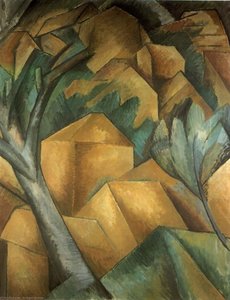
* Houses at l'Estaque: un testimonio del uso innovador de la geometría y la perspectiva simultánea de Braque. * The Patience(fauvismo, óleo sobre lienzo): demuestra el estilo fauvista de Braque. * Clarinet(cubismo analítico, óleo sobre lienzo): una obra cubista colaborativa con Picasso.**museos y colecciones**
* Musée d'Orsay: presenta una extensa colección de arte impresionista y postimpresionista, incluyendo obras de Braque. * Musée de l'Orangerie: exhibe una amplia gama de obras de arte, incluyendo las de Braque y otros artistas notables.- Descubra más sobre la vida y obra de Georges Braque en AllPaintingsStore.com
- Explore la colección del Musée d'Orsay, que presenta obras de Braque y otros artistas, en Musée d'Orsay - Wikipedia
- Aprenda más sobre el fauvismo y su influencia en el desarrollo del cubismo con el movimiento artístico fauvista en AllPaintingsStore.com
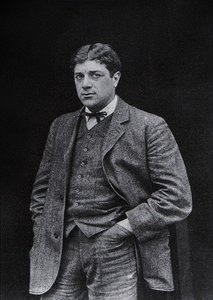
Georges Braque
1882 - 1963 , Francia
Datos clave
- Artistas Influenciados Por Este Artista: ['Pablo Picasso']
- Artistas Que Influyeron:
- Henri Matisse
- André Derain
- Paul Cézanne
- Fecha De Muerte: 31 de agosto de 1963
- Fecha De Nacimiento: 13 de mayo de 1882
- Lugar De Nacimiento: Argenteuil, Francia
- Movimiento Artístico: Cubismo, Fauvismo
- Nacionalidad: Francés
- Nombre Completo: Georges Braque
- Obras Notables:
- Casas en L'Estaque
- La paciencia (Fauvismo)
- Violin y Paleta
- Mandola
Artículos relacionados

La Sutileza del Neutro: Explorando la Abstracción en Blanco y Negro para una Arquitectura Moderna Elevada
Descubre cómo la abstracción en blanco y negro eleva el diseño arquitectónico moderno. Expertos revelan secretos de iluminación, materiales y minimalismo para espacios sofisticados y atemporales.

Deconstructing Reality: A Comprehensive Exploration of Cubist Still Life
Explore the revolutionary world of Cubist Still Life with AllPaintingsStore. Discover Picasso & Braque's groundbreaking techniques, its philosophical roots, and lasting impact on modern art. Expert insights for collectors.

Más Allá del Retrato: Bodegones Personalizados, un Legado Artístico para Espacios Exclusivos
Cree bodegones personalizados únicos para su hotel con AllPaintingsStore. Expertos artistas reproducen obras maestras o crean piezas originales a medida. Calidad excepcional, confianza y un legado artístico duradero.
The Bountiful Still Life: Symbolism & Artistic Representation of Fruit Across Art History
Explore the rich history of still life painting & the symbolism of fruit across art movements. Discover masterpieces from Caravaggio to Cézanne with AllPaintingsStore – expert guidance & museum-quality reproductions.

Severin Roesen: Evoking National Identity Through American Still Life Painting
Explore the captivating world of Severin Roesen, a major American still life painter influenced by Dutch masters. Discover his lush compositions and the symbolism within his art – a window into 19th-century America.