


 Vista previa
 Compartir
 Compartir
 Ver detalles
 Guía
Guía

 Descargar
 Ver artículos similares
 Radiografía
 Presentación de diapositivas
 Estadísticas
The Studio (III)
 Oil On Canvas
- WallArt
- Cubist Still Life
 1949
1949- Modern
 144.0 x 174.0 cm
 Leer más
La obra de arte que se muestra en esta página está protegida por las leyes de propiedad intelectual, lo que significa que no podemos crear ni vender legalmente una reproducción idéntica. Esta protección se hace cumplir en virtud de acuerdos internacionales como el Convenio de Berna y por las leyes nacionales, incluidas aquellas establecidas por el Ley de derechos de autor de los EE. UU. - Título 17.
Este método cumple plenamente con las normativas de derechos de autor, ya que no implica la copia ni la duplicación de la obra protegida. En su lugar, se trata de una reinterpretación creativa: una nueva pintura influenciada por la original, pero que no es idéntica a ella.
Giclée / Impresión de arte
Impresiones giclée o en lienzo de calidad de museo con producción rápida y opciones de acabado flexibles. ( Encargar reproducción pintada a mano Ver versión en imagen digital)




P118B €10

P118H €10

P118W €10

P438Z €10

P508JH €12

P508YH €12

P805H €10

P805Z €10

P919BZ €10

P919G €10

P919XJ €10

P959ZH €10

P968JZ €12

W106C €8

W218G €10

W218JH €8

W218Y €10

W307PJ €10

W316G €10

W316PJ €8

W316Y €10

W398PJ €8

W4111J €10

W500HY €15

W500JH €15

W692G €12

W849H €8

W940BG €15

W953PJ €8




Elija entre nuestros tamaños predefinidos que respetan las proporciones originales de la obra.

Puede introducir sus propias dimensiones para adaptarse a un marco o espacio específico. Si el tamaño seleccionado no coincide con las proporciones de la imagen original, recortaremos la obra de arte o extenderemos la imagen con un borde con efecto espejo o de color sólido. Se enviará una maqueta digital para su aprobación antes de que comience la producción.
Tenga en cuenta que la vista previa en pantalla no refleja el recorte o la extensión real. Solo la maqueta mostrará con precisión la composición final.
Aunque existen tamaños personalizados, recomendamos seleccionar una dimensión de la lista predefinida para preservar las proporciones originales.
Envío a todo el mundo () en 2 semanas en lugar de las 4/5 semanas estándar. (11 octubre)

Envío exprés gratuito a todo el mundo

Lienzo de lino de alta calidad

Seguro de envío completo

Garantía de reembolso de impuestos aduaneros

Garantía de fidelidad cromática exacta

Política de devolución de 100 días (solo por defectos)

Garantía de devolución del 100% del dinero

Oferta por volumen
 La opción de vidrio solo está disponible en tamaños inferiores a 110 cm.

The Studio (III)
Giclée / Impresión de arte
Tamaño de la reproducción
-


Precio total
€ 55
Georges Braque’s “The Studio (III)” – A Fragmented Reflection of Artistic Innovation
“The Studio (III),” painted in 1949 by Georges Braque, stands as a cornerstone of Cubist aesthetics and a poignant emblem of the artist's evolving exploration of form and perception during his mature period. More than just a depiction of a workspace—a room filled with tools and objects—the painting delves into the complexities of artistic creation itself, presenting a deliberately fractured vision that mirrors the process of intellectual and visual experimentation central to Braque’s groundbreaking style. This detailed analysis aims to illuminate not only the artwork's technical prowess but also its profound symbolic resonance within the broader context of 20th-century art history.A Cubist Exploration of Space and Materiality
Braque’s masterful application of Cubism is immediately apparent. Unlike Impressionistic renderings that prioritize fleeting impressions of light and color, “The Studio (III)” employs geometric planes—primarily rectangular and angular—to reconstruct the subject matter in multiple perspectives simultaneously. The chair, table, window, knives, and clock are not presented as unified entities but rather dissected into fragmented shapes that overlap and intersect, creating a sense of spatial ambiguity characteristic of Cubism’s revolutionary approach. This technique wasn't merely stylistic; it represented Braque’s conviction that visual representation could capture the essence of an object by conveying its underlying structure—a departure from traditional illusionistic painting. The muted palette – predominantly browns, ochres and creams – reinforces this emphasis on materiality and contributes to a contemplative atmosphere.The Significance of Still Life as Conceptual Canvas
Still life had been explored before Braque’s time, but he transformed it into something radically new. Rather than aiming for realistic representation, Braque utilized the stillness of the studio setting to contemplate the very act of artistic endeavor. The scattered knives symbolize the artist's tools—instruments of creation and destruction—while simultaneously hinting at the disruptive force inherent in innovative thought. The clock serves as a reminder of time passing, mirroring the relentless pursuit of artistic perfection and highlighting the cyclical nature of creative process. These objects aren’t merely present; they are actively engaged in defining the composition and conveying an emotional state of focused observation.Historical Context: Picasso's Influence and Artistic Dialogue
“The Studio (III)” emerged during a period of intense artistic collaboration between Braque and Pablo Picasso, marking a pivotal moment in the development of Cubism. Their partnership spurred each artist to push boundaries and challenge conventions, resulting in works that profoundly influenced subsequent generations of painters. While Picasso initially championed Analytic Cubism—characterized by flattened planes and monochromatic color—Braque embraced Synthetic Cubism, incorporating collage elements and brighter hues into his canvases. This stylistic divergence underscored the dynamism of artistic discourse within Paris’s avant-garde circles during the late 1940s, demonstrating how artists could engage in productive dialogue while maintaining distinct visual vocabularies.Emotional Resonance: Quiet Contemplation and Artistic Integrity
Despite its geometric complexity, “The Studio (III)” exudes a palpable sense of calm introspection. The subdued lighting and muted colors contribute to an atmosphere of quiet contemplation—reflecting the artist’s engagement with his craft and conveying a profound appreciation for visual form. More than just a depiction of a physical space, the painting embodies Braque's unwavering commitment to artistic integrity—a refusal to compromise on stylistic innovation in favor of conventional realism. It invites viewers to consider not only what is seen but also how it is perceived, prompting reflection on the transformative power of art and its ability to capture the essence of human experience.- Artist: Georges Braque
- Year: 1949
- Style: Cubism
- Medium: Oil on Canvas
- Dimensions: 51 1/4 × 29 1/8 in. (130.2 × 74 cm)
Preguntas y respuestas
¿En qué año se creó "The Studio (III)"?
"The Studio (III)" de Georges Braque fue creada en 1949.
¿Qué edad tenía Georges Braque cuando creó "The Studio (III)" en 1949?
Georges Braque tenía 67 años cuando creó "The Studio (III)" en 1949. La edad se calcula a partir del año de nacimiento del artista, 1882.
¿Los colores de "The Studio (III)" de Georges Braque son intensos o tenues?
El color de "The Studio (III)" presenta una saturación de Subtle Color y una intensidad de Monochromatic.
¿Qué artista y qué estilo están detrás de "The Studio (III)"?
"The Studio (III)" fue creada por Georges Braque con el estilo Cubist Still Life. El artista y el movimiento identifican la tradición de la obra.
¿Quién es el artista detrás de "The Studio (III)"?
"The Studio (III)" se atribuye a Georges Braque.
¿A qué época pertenece "The Studio (III)"?
"The Studio (III)" de Georges Braque pertenece al periodo Modern. Este periodo proporciona el contexto histórico de la obra.
¿Quién vende copias pintadas a mano de "The Studio (III)" de Georges Braque?
Puede solicitar una reproducción pintada a mano de "The Studio (III)" de Georges Braque directamente en esta página: una reproducción al óleo pintada a mano sobre lienzo de lino, realizada bajo pedido.
Obras relacionadas


Biografía del artista
**vida temprana y formación**
georges braque, un destacado pintor francés, collageador, dibujante, grabador y escultor, nació el 13 de mayo de 1882 en Argelo, Val-d'Oise. Creció en Le Havre y inicialmente se formó para ser pintor de casas y decorador, como su padre y abuelo. Sin embargo, las inclinaciones artísticas de Braque lo llevaron a estudiar pintura en la École des Beaux-Arts en Le Havre de 1897 a 1899.**evolución artística y fauvismo**
En 1902, después de completar su aprendizaje con un decorador en París, Braque asistió a la Academia Humbert hasta 1904. Este período marcó su introducción al fauvismo, un estilo caracterizado por colores vibrantes y respuestas emocionales. Influenciado por las obras de henri matisse y andré derain, Braque adoptó un enfoque fauvista, como se ve en su pintura the patience (fauvismo, óleo sobre lienzo).**contribución al cubismo**
La colaboración de Braque con pablo picasso desde 1908 hasta 1912 llevó al desarrollo del cubismo. Sus obras cubistas analíticas, como georges braque: the patience y pablo picasso: clarinet(cubismo analítico, óleo sobre lienzo), se consideran hitos en la historia del arte.**legado y obras notables**
* Houses at l'Estaque: un testimonio del uso innovador de la geometría y la perspectiva simultánea de Braque. * The Patience(fauvismo, óleo sobre lienzo): demuestra el estilo fauvista de Braque. * Clarinet(cubismo analítico, óleo sobre lienzo): una obra cubista colaborativa con Picasso.**museos y colecciones**
* Musée d'Orsay: presenta una extensa colección de arte impresionista y postimpresionista, incluyendo obras de Braque. * Musée de l'Orangerie: exhibe una amplia gama de obras de arte, incluyendo las de Braque y otros artistas notables.- Descubra más sobre la vida y obra de Georges Braque en AllPaintingsStore.com
- Explore la colección del Musée d'Orsay, que presenta obras de Braque y otros artistas, en Musée d'Orsay - Wikipedia
- Aprenda más sobre el fauvismo y su influencia en el desarrollo del cubismo con el movimiento artístico fauvista en AllPaintingsStore.com
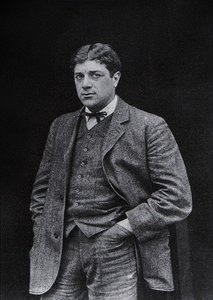
Georges Braque
1882 - 1963 , Francia
Datos clave
- Artistas Influenciados Por Este Artista: ['Pablo Picasso']
- Artistas Que Influyeron:
- Henri Matisse
- André Derain
- Paul Cézanne
- Fecha De Muerte: 31 de agosto de 1963
- Fecha De Nacimiento: 13 de mayo de 1882
- Lugar De Nacimiento: Argenteuil, Francia
- Movimiento Artístico: Cubismo, Fauvismo
- Nacionalidad: Francés
- Nombre Completo: Georges Braque
- Obras Notables:
- Casas en L'Estaque
- La paciencia (Fauvismo)
- Violin y Paleta
- Mandola
Artículos relacionados

Los 10 Maestros del Cubismo: Obras que Revolucionaron el Arte | AllPaintingsStore
Descubre los 10 lienzos cubistas que revolucionaron el arte moderno. Explora las obras maestras de Picasso, Braque y Gris en AllPaintingsStore.com. Reproducciones de alta calidad para tu hogar.
Georges Braque: Las 25 Obras Maestras del Cubismo y su Legado en el Arte Moderno
Descubre las 25 obras maestras de Georges Braque, pionero del cubismo. Explora su innovadora técnica, colores y el legado del arte moderno francés. Reproducciones de alta calidad en AllPaintingsStore.com. ¡Encuentra tu inspiración!

Cubism Explained: How Picasso and Braque Shattered Reality to Redefine Modern Art
Master the complexities of Cubism with our expert guide. Explore how Picasso and Braque revolutionized modern art through fragmentation, multiple perspectives, and geometric innovation. Perfect for art students and collectors seeking deep historical insight.

Cubism Unveiled: How Picasso and Braque Redefined Reality Through Geometric Abstraction
Explore the revolutionary world of Cubism. Discover how masters Pablo Picasso and Georges Braque dismantled reality through geometric abstraction to redefine modern art history.

Cubism Unveiled: How Picasso and Braque Redefined Modern Art through Geometric Revolution
Explore the revolutionary world of Cubism. Discover how Pablo Picasso and Georges Braque dismantled perspective to redefine modern art through geometric innovation and analytical mastery. An essential guide for art students, collectors, and history enthusiasts.


