


 Vista previa
 Compartir
 Compartir
 Ver detalles
 Guía
Guía

 Descargar
 Ver artículos similares
 Radiografía
 Presentación de diapositivas
 Estadísticas
untitled (4471)


 Leer más
Giclée / Impresión de arte
Impresiones giclée o en lienzo de calidad de museo con producción rápida y opciones de acabado flexibles. ( Encargar reproducción pintada a mano Ver versión en imagen digital)




P118B $10

P118H $10

P118W $10

P438Z $10

P508JH $12

P508YH $12

P805H $10

P805Z $10

P919BZ $10

P919G $10

P919XJ $10

P959ZH $10

P968JZ $12

W106C $8

W218G $10

W218JH $8

W218Y $10

W307PJ $10

W316G $10

W316PJ $8

W316Y $10

W398PJ $8

W4111J $10

W500HY $15

W500JH $15

W692G $12

W849H $8

W940BG $15

W953PJ $8




Elija entre nuestros tamaños predefinidos que respetan las proporciones originales de la obra.

Puede introducir sus propias dimensiones para adaptarse a un marco o espacio específico. Si el tamaño seleccionado no coincide con las proporciones de la imagen original, recortaremos la obra de arte o extenderemos la imagen con un borde con efecto espejo o de color sólido. Se enviará una maqueta digital para su aprobación antes de que comience la producción.
Tenga en cuenta que la vista previa en pantalla no refleja el recorte o la extensión real. Solo la maqueta mostrará con precisión la composición final.
Aunque existen tamaños personalizados, recomendamos seleccionar una dimensión de la lista predefinida para preservar las proporciones originales.
Envío a todo el mundo () en 2 semanas en lugar de las 4/5 semanas estándar. (25 septiembre)

Envío exprés gratuito a todo el mundo

Lienzo de lino de alta calidad

Seguro de envío completo

Garantía de reembolso de impuestos aduaneros

Garantía de fidelidad cromática exacta

Política de devolución de 100 días (solo por defectos)

Garantía de devolución del 100% del dinero

Oferta por volumen
 La opción de vidrio solo está disponible en tamaños inferiores a 110 cm.

untitled (4471)
Giclée / Impresión de arte
Tamaño de la reproducción
-


Precio total
$ 64
A Symphony of Fragments: Rediscovering Braque’s Untitled Vision
To encounter Georges Braque’s untitled collage is to step into the very workshop of modernism, where the boundaries between reality and representation begin to dissolve. This profound work, a cornerstone of the early Cubist movement, does not merely present an image; it presents a tactile experience. At first glance, the viewer is met with a carefully curated assembly of paper fragments, cardboard, and textured elements that dance across the surface in a dynamic interplay of shapes. Amidst this rhythmic arrangement of geometric planes, a single bowl emerges as a quiet, grounding focal point. This unexpected element serves as a striking counterpoint to the surrounding abstraction, offering a familiar anchor within a sea of deconstructed forms.
The brilliance of this piece lies in its revolutionary technique, which moved far beyond the fleeting light of Impressionism to explore the structural essence of objects. Braque employs a meticulous layering process, overlapping disparate materials to cultivate an illusion of depth and dimensionality. By escheaping traditional shading and linear perspective, he invites the eye to navigate a shallow yet complex space where texture replaces volume. This approach—the very heart of Analytical Cubism—challenges the observer to reconstruct the subject from multiple perspectives simultaneously, turning the act of viewing into an intellectual and sensory investigation.
The Dawn of a Revolution: Context and Materiality
Created around 1910, this collage emerged from the feverish artistic atmosphere of Paris, a period defined by intense experimentation and the dismantling of academic traditions. Braque, alongside his legendary collaborator Pablo Picasso, was engaged in a radical dialogue about how much of the physical world could be stripped away before an object lost its identity. Influenced by the structural rigor of Paul Cézanne, Braque sought to capture not just the appearance of things, but their fundamental building blocks. This work stands as a testament to that era of discovery, marking a decisive break from the window-like canvases of the past and paving the way for the abstract movements that would follow.
Beyond its formal innovations, the collage resonates with a deep sense of materiality and process. There is an inherent honesty in the use of paper and cardboard; the artist celebrates the raw, unadorned nature of his medium. For the modern collector or interior designer, this piece offers more than just visual interest—it provides a sophisticated layer of intellectual depth. The emotional impact of the work is one of quiet contemplation and structural harmony, making it an exquisite centerpiece for spaces that value avant-garde history and the beauty of textured, thoughtful composition. To possess a reproduction of such a seminal work is to bring a piece of the Cubist revolution into the contemporary home, celebrating the enduring power of fragmentation and form.
Obras relacionadas


Biografía del artista
**vida temprana y formación**
georges braque, un destacado pintor francés, collageador, dibujante, grabador y escultor, nació el 13 de mayo de 1882 en Argelo, Val-d'Oise. Creció en Le Havre y inicialmente se formó para ser pintor de casas y decorador, como su padre y abuelo. Sin embargo, las inclinaciones artísticas de Braque lo llevaron a estudiar pintura en la École des Beaux-Arts en Le Havre de 1897 a 1899.**evolución artística y fauvismo**
En 1902, después de completar su aprendizaje con un decorador en París, Braque asistió a la Academia Humbert hasta 1904. Este período marcó su introducción al fauvismo, un estilo caracterizado por colores vibrantes y respuestas emocionales. Influenciado por las obras de henri matisse y andré derain, Braque adoptó un enfoque fauvista, como se ve en su pintura the patience (fauvismo, óleo sobre lienzo).**contribución al cubismo**
La colaboración de Braque con pablo picasso desde 1908 hasta 1912 llevó al desarrollo del cubismo. Sus obras cubistas analíticas, como georges braque: the patience y pablo picasso: clarinet(cubismo analítico, óleo sobre lienzo), se consideran hitos en la historia del arte.**legado y obras notables**
* Houses at l'Estaque: un testimonio del uso innovador de la geometría y la perspectiva simultánea de Braque. * The Patience(fauvismo, óleo sobre lienzo): demuestra el estilo fauvista de Braque. * Clarinet(cubismo analítico, óleo sobre lienzo): una obra cubista colaborativa con Picasso.**museos y colecciones**
* Musée d'Orsay: presenta una extensa colección de arte impresionista y postimpresionista, incluyendo obras de Braque. * Musée de l'Orangerie: exhibe una amplia gama de obras de arte, incluyendo las de Braque y otros artistas notables.- Descubra más sobre la vida y obra de Georges Braque en AllPaintingsStore.com
- Explore la colección del Musée d'Orsay, que presenta obras de Braque y otros artistas, en Musée d'Orsay - Wikipedia
- Aprenda más sobre el fauvismo y su influencia en el desarrollo del cubismo con el movimiento artístico fauvista en AllPaintingsStore.com
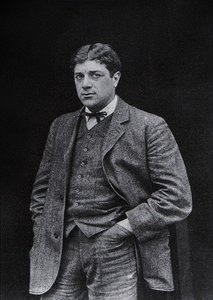
Georges Braque
1882 - 1963 , Francia
Datos clave
- Artistas Influenciados Por Este Artista: ['Pablo Picasso']
- Artistas Que Influyeron:
- Henri Matisse
- André Derain
- Paul Cézanne
- Fecha De Muerte: 31 de agosto de 1963
- Fecha De Nacimiento: 13 de mayo de 1882
- Lugar De Nacimiento: Argenteuil, Francia
- Movimiento Artístico: Cubismo, Fauvismo
- Nacionalidad: Francés
- Nombre Completo: Georges Braque
- Obras Notables:
- Casas en L'Estaque
- La paciencia (Fauvismo)
- Violin y Paleta
- Mandola
Artículos relacionados

Synthetic Cubism Explained: A Professional Guide to Texture, Collage, and Geometric Abstraction for Modern Interior Design
Master the use of Synthetic Cubism in modern hospitality design. Our expert guide explores texture, collage, and geometric abstraction to help designers source premium, large-scale oil reproductions for hotels and corporate spaces with professional reliability.


