Vista previa
 Compartir
 Compartir
 Ver detalles

 Descargar
 Ver similares
 Radiografía
 Presentación de diapositivas
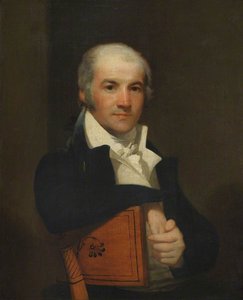
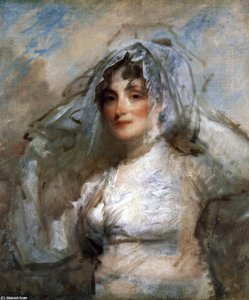
Catherine Brass Yates


 Leer más
Giclée / Impresión de arte
Impresiones giclée o en lienzo de calidad de museo con producción rápida y opciones de acabado flexibles. ( Encargar reproducción pintada a mano Comprar descarga)




P118B $10

P118H $10

P118W $10

P438Z $10

P508JH $12

P508YH $12

P805H $10

P805Z $10

P919BZ $10

P919G $10

P919XJ $10

P959ZH $10

P968JZ $12

W106C $8

W218G $10

W218JH $8

W218Y $10

W307PJ $10

W316G $10

W316PJ $8

W316Y $10

W398PJ $8

W4111J $10

W500HY $15

W500JH $15

W692G $12

W849H $8

W940BG $15

W953PJ $8




Elija entre nuestros tamaños predefinidos que respetan las proporciones originales de la obra.

Puede introducir sus propias dimensiones para adaptarse a un marco o espacio específico. Si el tamaño seleccionado no coincide con las proporciones de la imagen original, recortaremos la obra de arte o extenderemos la imagen con un borde con efecto espejo o de color sólido. Se enviará una maqueta digital para su aprobación antes de que comience la producción.
Tenga en cuenta que la vista previa en pantalla no refleja el recorte o la extensión real. Solo la maqueta mostrará con precisión la composición final.
Aunque existen tamaños personalizados, recomendamos seleccionar una dimensión de la lista predefinida para preservar las proporciones originales.
Envío a todo el mundo () en 2 semanas en lugar de las 4/5 semanas estándar. (19 agosto)

Envío exprés gratuito a todo el mundo

Lienzo de lino de alta calidad

Seguro de envío completo

Garantía de reembolso de aranceles aduaneros

Garantía de fidelidad cromática exacta

Política de devolución de 60 días (solo por defectos)

Garantía de devolución del 100% del dinero

Oferta por volumen
 La opción de vidrio solo está disponible en tamaños inferiores a 110 cm.

Catherine Brass Yates
Giclée / Impresión de arte
Tamaño de la reproducción
-


Precio total
$ 64
Descripción de la pieza
A Portrait of Refined Life: Gilbert Stuart’s “Catherine Brass Yates”
Gilbert Stuart's "Catherine Brass Yates," painted in 1793-1794, is more than just a portrait; it’s a window into the burgeoning elegance and social dynamics of early American life. This captivating work, currently residing within the National Gallery of Art in Washington D.C., showcases Stuart’s mastery of capturing not only physical likeness but also the subtle nuances of personality and status. The painting immediately draws the eye to its subject – Catherine Brass Yates, wife of Richard Yates, a prominent New York merchant – presented with an understated yet profoundly dignified grace.
Stuart's style during this period leaned heavily into Neoclassicism, a movement that sought inspiration from the art and ideals of ancient Greece and Rome. This is evident in the carefully constructed composition: Catherine’s pose is formal and balanced, reflecting the classical emphasis on order and harmony. Her attire—a simple yet elegant white gown adorned with a delicate bow— speaks to her position within society, while the muted color palette reinforces this sense of refined taste. The artist skillfully employs light and shadow to sculpt her features, creating a three-dimensional effect that brings her face to life.
The Techniques of a Master: Brushwork and Detail
Examining the painting closely reveals Stuart’s exceptional technical skill. He utilized a loose, expressive brushstroke, particularly noticeable in the fabrics of Catherine's dress – the subtle folds and textures are rendered with remarkable accuracy. This technique wasn’t merely decorative; it served to convey the quality and expense of her garments, subtly communicating her family’s wealth and standing. Notably, Stuart paid meticulous attention to detail, from the delicate embroidery on her gown to the intricate patterns in the background, demonstrating a commitment to realism that was highly valued by his patrons.
Furthermore, Stuart's use of color is noteworthy. He masterfully employs light to highlight Catherine’s face and hands, drawing the viewer’s attention to her features while maintaining an overall sense of serenity. The subtle variations in tone create a sense of depth and volume, adding to the painting’s realism. The artist also demonstrates a keen understanding of how light reflects off different materials – the sheen on the silk ribbon, the texture of the linen fabric—all contribute to the illusion of tangible reality.
Symbolism and Social Context
Beyond its technical brilliance, “Catherine Brass Yates” is rich in symbolic meaning. The painting offers a glimpse into the social conventions of the late 18th century, where portraiture served as both a personal keepsake and a statement of status. Catherine’s pose—seated with a piece of yarn or string – suggests domesticity and refinement, reflecting the role expected of women within her social circle. The inclusion of the wedding ring subtly alludes to her marital status and family life.
Considering the historical context, it's important to note that Stuart was returning to America after a significant period in England and Ireland. He found a different demand for portraiture than he had experienced abroad – a preference for realism and directness. This shift is reflected in his portrayal of Catherine Yates; her face isn’t idealized but rather presented with an honest, appraising gaze, capturing the character of a woman accustomed to navigating the complexities of business and social life.
A Timeless Portrait: Reproduction Possibilities
AllPaintingsStore.com offers meticulously crafted hand-painted reproductions of Gilbert Stuart's “Catherine Brass Yates,” allowing you to bring this iconic work into your home or office. Our skilled artists replicate Stuart’s techniques, brushstrokes, and color palette with exceptional accuracy, ensuring that the reproduction captures the essence of the original painting. Whether you seek a faithful representation for display or a unique piece of art for your collection, our reproductions provide an authentic and beautiful tribute to this masterpiece of American portraiture.
Explore our selection of “Catherine Brass Yates” reproductions today and discover the timeless elegance of Gilbert Stuart’s artistry.
Obras relacionadas


Biografía del artista
Gilbert Stuart: Una Vida Dedicada al Retrato
- Nacido: 3 de diciembre de 1755, Saunderstown, Rhode Island
- Fallecido: 9 de julio de 1828, Boston, Massachusetts
- Nacionalidad: Estadounidense
- Movimiento: Neoclasicismo
- Conocido por: Retratista, especialmente retratos de figuras prominentes en la historia temprana estadounidense.
Primeros Años y Formación
- Gilbert Stuart nació en una familia con raíces escocesas; su padre, también llamado Gilbert, fue un inventor que estableció el primer molino de rapé en Rhode Island.
- Su talento artístico surgió a una edad temprana, demostrando habilidad incluso cuando era niño.
- A los 14 años, pintó "Dr. Hunter's Spaniels", mostrando una promesa inicial.
- Viajó a Escocia alrededor de 1771 para estudiar bajo Cosmo Alexander, pero regresó después del fallecimiento de Alexander en 1775.
- Una mayor formación se produjo en Londres con Benjamin West, un destacado pintor estadounidense residente en Inglaterra, de 1775 a 1780. Este período fue crucial para desarrollar su estilo artístico y obtener reconocimiento dentro de la Royal Academy.
Carrera Artística y Obras Principales
- La carrera de Stuart se enfrentó a desafíos durante la Revolución Americana, lo que le llevó a trasladarse a Inglaterra en 1775.
- Alcanzó un éxito temprano con "The Skater" (1782), un retrato que estableció su reputación.
- Su obra más famosa es el retrato inacabado de George Washington, conocido como el Retrato del Athenaeum (comenzado en 1796). Esta imagen se ha convertido en un símbolo perdurable de la identidad y el liderazgo estadounidenses. Stuart produjo numerosos copias de este retrato para patrones en América y Europa.
- Pintó retratos de otras figuras prominentes, incluyendo a John Adams, Thomas Jefferson, James Madison y muchos miembros de la élite federalista.
- El estilo de Stuart se caracterizaba por un enfoque neoclásico, que enfatizaba el realismo y capturaba el parecido y el carácter de sus sujetos. A menudo empleaba un uso dramático de la luz y la sombra para mejorar el impacto de los retratos.
Influencias y Desarrollo
- Cosmo Alexander proporcionó una formación temprana en técnica y composición.
- La influencia de Benjamin West fue significativa, moldeando la comprensión de Stuart sobre el retrato y los principios artísticos.
- El movimiento neoclásico, con su énfasis en las formas e ideales clásicos, influyó fuertemente en su estilo.
- Las propias observaciones y interacciones de Stuart con sus sujetos contribuyeron a la profundidad psicológica y al realismo en sus retratos. Buscaba capturar no solo un parecido sino también el carácter y la personalidad de aquellos que pintaba.
Significado Histórico y Legado
- Gilbert Stuart es considerado uno de los principales retratistas estadounidenses, desempeñando un papel vital en la documentación de los primeros años de Estados Unidos.
- El Retrato del Athenaeum de George Washington se ha convertido en un símbolo perdurable de la identidad y el liderazgo estadounidense.
- Sus retratos proporcionan valiosas perspectivas históricas sobre las vidas y apariencias de figuras prominentes de finales del siglo XVIII y principios del XIX.
- La obra de Stuart está representada en importantes museos de Estados Unidos y Europa, lo que garantiza que su legado continúe siendo apreciado por generaciones.
- Estableció un estilo distintivo de retrato estadounidense que combinaba técnicas europeas con sensibilidades estadounidenses únicas.

Gilbert Stuart
1755 - 1828 , Reino Unido
Datos clave
- Artistas Que Influyeron:
- Cosmo Alexander
- Benjamin West
- Fecha De Fallecimiento: 9 de julio de 1828
- Fecha De Nacimiento: 3 de diciembre de 1755
- Lugar De Nacimiento: Saunderstown, Reino Unido
- Movimiento Artístico: Neoclasicismo
- Nacionalidad: Estadounidense
- Nombre Completo: Gilbert Charles Stuart
- Obras Notables:
- Dr. Hunter's Spaniels
- The Skater
- Retrato del Ateneo de Washington
Artículos relacionados

Neoclassical Portraiture: A Procurement Guide to Timeless Elegance for Luxury Hotel Interiors
A professional procurement guide for hotel designers sourcing Neoclassical portraiture. Discover how to integrate timeless elegance into luxury interiors with high-volume, hand-painted oil reproductions, custom sizing, and reliable global logistics for large-scale hospitality projects.