Vista previa
 Compartir
 Compartir
 Ver detalles

 Descargar
 Ver similares
 Radiografía
 Presentación de diapositivas
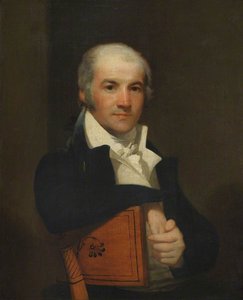
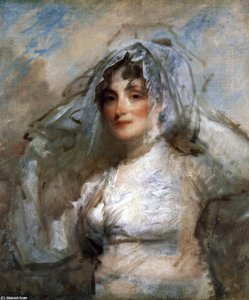
George Washington


 Leer más
Giclée / Impresión de arte
Impresiones giclée o en lienzo de calidad de museo con producción rápida y opciones de acabado flexibles. ( Encargar reproducción pintada a mano Comprar descarga)




P118B $10

P118H $10

P118W $10

P438Z $10

P508JH $12

P508YH $12

P805H $10

P805Z $10

P919BZ $10

P919G $10

P919XJ $10

P959ZH $10

P968JZ $12

W106C $8

W218G $10

W218JH $8

W218Y $10

W307PJ $10

W316G $10

W316PJ $8

W316Y $10

W398PJ $8

W4111J $10

W500HY $15

W500JH $15

W692G $12

W849H $8

W940BG $15

W953PJ $8




Elija entre nuestros tamaños predefinidos que respetan las proporciones originales de la obra.

Puede introducir sus propias dimensiones para adaptarse a un marco o espacio específico. Si el tamaño seleccionado no coincide con las proporciones de la imagen original, recortaremos la obra de arte o extenderemos la imagen con un borde con efecto espejo o de color sólido. Se enviará una maqueta digital para su aprobación antes de que comience la producción.
Tenga en cuenta que la vista previa en pantalla no refleja el recorte o la extensión real. Solo la maqueta mostrará con precisión la composición final.
Aunque existen tamaños personalizados, recomendamos seleccionar una dimensión de la lista predefinida para preservar las proporciones originales.
Envío a todo el mundo () en 2 semanas en lugar de las 4/5 semanas estándar. (20 agosto)

Envío exprés gratuito a todo el mundo

Lienzo de lino de alta calidad

Seguro de envío completo

Garantía de reembolso de aranceles aduaneros

Garantía de fidelidad cromática exacta

Política de devolución de 60 días (solo por defectos)

Garantía de devolución del 100% del dinero

Oferta por volumen
 La opción de vidrio solo está disponible en tamaños inferiores a 110 cm.

George Washington
Giclée / Impresión de arte
Tamaño de la reproducción
-


Precio total
$ 64
Descripción de la pieza
A Portrait of Authority: Gilbert Stuart’s Unfinished George Washington
Gilbert Stuart's "George Washington," painted in 1796, isn’t merely a likeness; it’s an embodiment of nascent American leadership and the very spirit of a nation forging its identity. This monumental portrait, now housed within the National Portrait Gallery in Washington D.C., offers a captivating glimpse into a pivotal moment in early American history – a time when George Washington was transitioning from military hero to the first president, and Stuart was establishing himself as the foremost portraitist of his era.
The painting immediately draws the eye with its dramatic lighting, a directional illumination that sculpts Washington’s face and shoulders. The artist masterfully employs chiaroscuro – the interplay of light and shadow – to create a sense of depth and volume, lending the figure an almost tangible presence. Notice how the light catches the planes of his cheekbones and forehead, while the shadows subtly define the lines of his mouth and eyes, conveying both dignity and a hint of thoughtful contemplation. The dark background serves not as a distraction but rather as a powerful stage for Washington’s commanding form, emphasizing his importance within the narrative.
Neoclassical Precision Meets Expressive Brushwork
Stuart's style firmly resides within the Neoclassicism movement, a trend that sought to revive the ideals and forms of ancient Greece and Rome. This is evident in Washington’s formal attire – the meticulously rendered coat, waistcoat, and cravat—a deliberate reference to classical portraiture. However, Stuart doesn’t simply replicate antiquity; he infuses it with his own distinctive approach. His brushwork is remarkably expressive, a far cry from the smooth, polished surfaces favored by some of his contemporaries. Thick, visible strokes create texture and dynamism, particularly in the fabric of the coat and the details of Washington's face. The unfinished quality—the large areas of white paint revealing the canvas beneath—is not a flaw but rather a deliberate choice, suggesting an ongoing process of refinement and reflecting the immediacy of the artistic endeavor.
The painting is executed in oil on canvas, utilizing pigments primarily consisting of white, black, and various shades of grey. The layering of these colors creates a rich tapestry of tones, contributing to the overall sense of depth and realism. The artist’s skillful manipulation of color allows him to capture not only Washington's physical appearance but also his character – a blend of strength, wisdom, and quiet resolve.
Symbolism and the Weight of Leadership
Beyond its technical brilliance, “George Washington” is laden with symbolic meaning. The subject’s posture—his head slightly turned towards the viewer—conveys an air of authority and confidence. His gaze, direct and unwavering, suggests a man accustomed to command and responsible for the future of his nation. The formal attire itself symbolizes leadership and civic virtue, aligning Washington with the ideals of republicanism that were just beginning to take root in America.
Interestingly, the unfinished state of the portrait adds another layer of interpretation. It speaks to the precariousness of the early republic, a nation still grappling with its identity and direction. The artist’s decision to leave portions of the canvas unpainted suggests that Washington's legacy was still being written, and that his image would continue to evolve as America itself did.
A Timeless Masterpiece – Perfect for Reproduction
Gilbert Stuart’s “George Washington” remains a profoundly resonant work of art. Its combination of technical skill, symbolic weight, and emotional impact ensures its enduring appeal. Reproductions offer an accessible way to experience this masterpiece firsthand, bringing the gravitas and authority of George Washington into any space. Whether adorning a grand salon or a more intimate setting, this portrait serves as a powerful reminder of America’s founding principles and the legacy of one of its most revered figures.
Obras relacionadas


Biografía del artista
Gilbert Stuart: Una Vida Dedicada al Retrato
- Nacido: 3 de diciembre de 1755, Saunderstown, Rhode Island
- Fallecido: 9 de julio de 1828, Boston, Massachusetts
- Nacionalidad: Estadounidense
- Movimiento: Neoclasicismo
- Conocido por: Retratista, especialmente retratos de figuras prominentes en la historia temprana estadounidense.
Primeros Años y Formación
- Gilbert Stuart nació en una familia con raíces escocesas; su padre, también llamado Gilbert, fue un inventor que estableció el primer molino de rapé en Rhode Island.
- Su talento artístico surgió a una edad temprana, demostrando habilidad incluso cuando era niño.
- A los 14 años, pintó "Dr. Hunter's Spaniels", mostrando una promesa inicial.
- Viajó a Escocia alrededor de 1771 para estudiar bajo Cosmo Alexander, pero regresó después del fallecimiento de Alexander en 1775.
- Una mayor formación se produjo en Londres con Benjamin West, un destacado pintor estadounidense residente en Inglaterra, de 1775 a 1780. Este período fue crucial para desarrollar su estilo artístico y obtener reconocimiento dentro de la Royal Academy.
Carrera Artística y Obras Principales
- La carrera de Stuart se enfrentó a desafíos durante la Revolución Americana, lo que le llevó a trasladarse a Inglaterra en 1775.
- Alcanzó un éxito temprano con "The Skater" (1782), un retrato que estableció su reputación.
- Su obra más famosa es el retrato inacabado de George Washington, conocido como el Retrato del Athenaeum (comenzado en 1796). Esta imagen se ha convertido en un símbolo perdurable de la identidad y el liderazgo estadounidenses. Stuart produjo numerosos copias de este retrato para patrones en América y Europa.
- Pintó retratos de otras figuras prominentes, incluyendo a John Adams, Thomas Jefferson, James Madison y muchos miembros de la élite federalista.
- El estilo de Stuart se caracterizaba por un enfoque neoclásico, que enfatizaba el realismo y capturaba el parecido y el carácter de sus sujetos. A menudo empleaba un uso dramático de la luz y la sombra para mejorar el impacto de los retratos.
Influencias y Desarrollo
- Cosmo Alexander proporcionó una formación temprana en técnica y composición.
- La influencia de Benjamin West fue significativa, moldeando la comprensión de Stuart sobre el retrato y los principios artísticos.
- El movimiento neoclásico, con su énfasis en las formas e ideales clásicos, influyó fuertemente en su estilo.
- Las propias observaciones y interacciones de Stuart con sus sujetos contribuyeron a la profundidad psicológica y al realismo en sus retratos. Buscaba capturar no solo un parecido sino también el carácter y la personalidad de aquellos que pintaba.
Significado Histórico y Legado
- Gilbert Stuart es considerado uno de los principales retratistas estadounidenses, desempeñando un papel vital en la documentación de los primeros años de Estados Unidos.
- El Retrato del Athenaeum de George Washington se ha convertido en un símbolo perdurable de la identidad y el liderazgo estadounidense.
- Sus retratos proporcionan valiosas perspectivas históricas sobre las vidas y apariencias de figuras prominentes de finales del siglo XVIII y principios del XIX.
- La obra de Stuart está representada en importantes museos de Estados Unidos y Europa, lo que garantiza que su legado continúe siendo apreciado por generaciones.
- Estableció un estilo distintivo de retrato estadounidense que combinaba técnicas europeas con sensibilidades estadounidenses únicas.

Gilbert Stuart
1755 - 1828 , Reino Unido
Datos clave
- Artistas Que Influyeron:
- Cosmo Alexander
- Benjamin West
- Fecha De Fallecimiento: 9 de julio de 1828
- Fecha De Nacimiento: 3 de diciembre de 1755
- Lugar De Nacimiento: Saunderstown, Reino Unido
- Movimiento Artístico: Neoclasicismo
- Nacionalidad: Estadounidense
- Nombre Completo: Gilbert Charles Stuart
- Obras Notables:
- Dr. Hunter's Spaniels
- The Skater
- Retrato del Ateneo de Washington
Artículos relacionados
Georges Braque: Las 25 Obras Maestras del Cubismo y su Legado en el Arte Moderno
Descubre las 25 obras maestras de Georges Braque, pionero del cubismo. Explora su innovadora técnica, colores y el legado del arte moderno francés. Reproducciones de alta calidad en AllPaintingsStore.com. ¡Encuentra tu inspiración!

Georges Seurat: Las 25 Obras Maestras del Pionero Puntillista | AllPaintingsStore
Descubre las 25 obras maestras de Georges Seurat, el innovador del puntillismo. Explora su técnica única, colores vibrantes y legado artístico en AllPaintingsStore.com. Reproducciones de arte de museo para tu hogar.

Charles Willson Peale: Portraiture, Enlightenment Ideals & Shaping American Identity
Explore the life & art of Charles Willson Peale – Revolutionary portraitist, scientist, and founder of America’s first museum. Discover his iconic paintings of Washington & the Enlightenment ideals that shaped a nation.

Grant Wood & American Regionalism: Identity, Myth & the Rural Landscape
Explore the world of Grant Wood & American Regionalism with AllPaintingsStore. Discover the symbolism behind 'American Gothic', recurring themes, and the movement's lasting impact on art history. High-quality reproductions available.
Realismo Estadounidense: 10 Obras Maestras que Cambiaron el Arte y la Decoración
Descubre 10 obras maestras del Realismo Estadounidense: Winslow Homer, Edward Hopper y más. Explora la historia, técnica y emoción de estos icónicos cuadros. Encuentra reproducciones de arte de museo en AllPaintingsStore.com.