


 Ver en contexto
 Enviar
 Compartir
 Detalles
 Guía
Guía

 Descargar
 Similares
 Radiografía
 Presentación de diapositivas
 Preguntas y respuestas
 Estadísticas
Nudo


 Ver más
La obra de arte que se muestra en esta página está protegida por las leyes de propiedad intelectual, lo que significa que no podemos crear ni vender legalmente una reproducción idéntica. Esta protección se hace cumplir en virtud de acuerdos internacionales como el Convenio de Berna y por las leyes nacionales, incluidas aquellas establecidas por el Ley de derechos de autor de los EE. UU. - Título 17.
Este método cumple plenamente con las normativas de derechos de autor, ya que no implica la copia ni la duplicación de la obra protegida. En su lugar, se trata de una reinterpretación creativa: una nueva pintura influenciada por la original, pero que no es idéntica a ella.
Giclée / Impresión de arte
Impresiones giclée o en lienzo de calidad de museo con producción rápida y opciones de acabado flexibles. ( Comprar pintura hecha a mano Cambiar a imagen digital)




P118B €10

P118H €10

P118W €10

P438Z €10

P508JH €12

P508YH €12

P805H €10

P805Z €10

P919BZ €10

P919G €10

P919XJ €10

P959ZH €10

P968JZ €12

W106C €8

W218G €10

W218JH €8

W218Y €10

W307PJ €10

W316G €10

W316PJ €8

W316Y €10

W398PJ €8

W4111J €10

W500HY €15

W500JH €15

W692G €12

W849H €8

W940BG €15

W953PJ €8




Elija entre nuestros tamaños predefinidos que respetan las proporciones originales de la obra.

Introduzca el ancho y el alto que necesite para adaptarse a su marco o pared. Una impresión solo puede recortarse, nunca hacerse más grande que la imagen original, por lo que un tamaño con una forma distinta perderá parte de la obra. Le enviaremos una maqueta digital para su aprobación antes de realizar cualquier impresión. La imagen que se muestra en esta página no refleja el recorte real; solo la maqueta lo hace.
Envío a todo el mundo () en 2 semanas en lugar de las 4/5 semanas estándar. (6 noviembre)

Envío exprés gratuito a todo el mundo

Lienzo de lino de alta calidad

Seguro de envío total

Garantía de reembolso de aranceles aduaneros

Garantía de fidelidad cromática exacta

Política de devolución de 100 días (solo por defectos)

Garantía de devolución del 100% del dinero

Descuento por cantidad
 La opción de vidrio solo está disponible en tamaños inferiores a 110 cm.

Nudo
Giclée / Impresión de arte
Dimensiones de la reproducción
-


Precio total final
€ 58
The Haunting Beauty of *Nudo*: A Journey into De Chirico’s Metaphysical World
Giorgio de Chirico's *Nudo*, painted in 1930, isn’t merely a depiction of a nude woman; it’s an immersion into the artist’s meticulously constructed dreamscape – a realm where classical forms collide with unsettling silence and profound psychological depth. This work, rendered in oil on canvas, embodies the core tenets of de Chirico's groundbreaking Metaphysical painting movement, a style that profoundly influenced Surrealism and continues to resonate with viewers today. Born in Volos, Greece, to Italian parents, de Chirico’s artistic vision was shaped by a unique blend of classical heritage and a burgeoning sense of modern alienation, a tension he masterfully translates onto the canvas through carefully orchestrated details and evocative atmosphere. The painting immediately draws the eye with its stark contrast: a solitary figure bathed in an almost unnaturally bright light, set against a backdrop that feels simultaneously familiar and utterly disorienting.A Symphony of Classical Echoes and Modern Disquiet
De Chirico’s *Nudo* is deeply rooted in classical art, particularly the idealized forms of Greek sculpture. The woman's pose—a subtle curve of the spine, a relaxed hand—evokes the serenity and grace associated with ancient statues. However, this classical foundation is deliberately destabilized. The setting isn’t a tranquil garden or a serene temple; instead, it’s an ambiguous space – perhaps a deserted plaza, hinted at by fragments of white columns reminiscent of Roman arcades. These architectural elements, frequently featured in de Chirico's work, create a sense of timelessness and dislocation, suggesting a world removed from the immediacy of everyday experience. The perspective is deliberately skewed, contributing to the painting’s unsettling atmosphere and drawing the viewer into a space that feels both familiar and profoundly strange. The use of long shadows further amplifies this effect, creating an almost theatrical quality to the scene.Symbolism and the Language of Absence
Beyond its formal elements, *Nudo* is laden with symbolic meaning. The woman herself remains enigmatic, her gaze directed upwards as if anticipating a rescue that never arrives. This upward focus speaks to themes of longing, isolation, and perhaps even a yearning for transcendence. The absence of any other figures—no attendants, no companions—heightens the sense of solitude and reinforces the painting’s psychological intensity. De Chirico frequently employed mannequins in his work, representing idealized beauty devoid of life or emotion; they appear here as ghostly presences within the architecture, adding to the overall feeling of detachment. The color palette is deliberately restrained – primarily muted earth tones punctuated by stark white—contributing to the painting’s dreamlike quality and emphasizing the sense of stillness and quietude.The Poetics of Absence: De Chirico's Metaphysical Vision
De Chirico’s fascination with philosophy, particularly the writings of Schopenhauer and Nietzsche, profoundly shaped his artistic vision. He sought to capture not just what *is*, but also what *isn’t* – the unspoken anxieties, the hidden desires, and the fundamental sense of alienation that underlies human experience. *Nudo* exemplifies this approach through its emphasis on “poetics of absence,” a concept central to de Chirico's Metaphysical painting. The painting doesn’t offer easy answers or explicit narratives; instead, it invites viewers to contemplate the mysteries of the unconscious and the unsettling beauty of the unseen. It is a work that lingers in the mind long after viewing, prompting reflection on themes of identity, isolation, and the elusive nature of reality. Reproductions of *Nudo* offer a remarkable opportunity to bring this hauntingly beautiful vision into any interior space, inviting contemplation and sparking dialogue about art’s capacity to evoke profound emotional responses.Preguntas y respuestas
¿Cuál es la luminancia de "Nudo" de Giorgio de Chirico?
Los colores de "Nudo" presentan una luminancia de Bright Balance.
¿Dónde se recomienda exhibir el formato Tall de "Nudo"?
El formato (Tall) y el espacio recomendado (Living Room) son los dos datos de colocación registrados para "Nudo" de Giorgio de Chirico.
¿Qué tamaño de impresión de "Nudo" de Giorgio de Chirico se adapta mejor a la habitación recomendada?
La combinación recomendada para "Nudo" de Giorgio de Chirico: una impresión de Large en un/a Living Room.
Obras relacionadas


Biografía del artista
vida temprana e influencias
giorgio de chirico, un artista italiano reconocido, nació el 10 de julio de 1888 en Volos, Grecia, a una madre genovesa y un padre siciliano. Su vida temprana estuvo marcada por el estudio del arte en la Politécnica de Atenas bajo la guía de pintores griegos influyentes como Georgios Roulos y Georgios Jakobides. Esta base sentaría las bases para su estilo artístico único.el movimiento artístico metafísico
En 1910, de Chirico pionero el movimiento artístico metafísico, que influyó profundamente a los surrealistas. Sus obras de este período, caracterizadas por estados de ánimo inquietantes y escenarios oníricos, se ejemplifican en pinturas como las vexaciones del pensador (disponible en AllPaintingsStore) y el enigma de la hora (visible en AllPaintingsStore). Estas obras evocan una sensación de misterio, a menudo con contrastes agudos de luz y sombra.período post-metafísico
Después de 1919, el interés de de Chirico se desplazó hacia las técnicas pictóricas tradicionales, adoptando un estilo neoclásico o neo-barroco. Este cambio es evidente en sus obras posteriores, que, aunque no recibieron el mismo aplauso crítico que sus primeras piezas, demuestran una evolución madura en su enfoque artístico.legado e influencia
El impacto de de Chirico en el movimiento surrealista es innegable, con artistas como André Breton influenciados por sus pinturas metafísicas. Aunque su obra posterior no fue tan ampliamente aclamada, de Chirico sigue siendo una figura clave en la historia del arte moderno. Su legado continúa inspirando, con sus obras que forman parte de colecciones de todo el mundo, incluyendo el museo de giorgio de chirico, que ahora se encuentra cerca de las escaleras de la Plaza España en Roma.- explora más obras de giorgio de chirico en AllPaintingsStore
- descubre el movimiento artístico metafísico y su influencia en el surrealismo a través de este artículo perspicaz en AllPaintingsStore
- aprende más sobre la vida y obra de de Chirico en wikipedia
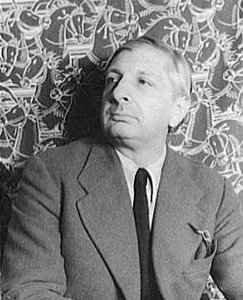
Giorgio de Chirico
1888 - 1978 , Grecia
Datos clave
- Artistas Influenciados:
- Surrealismo
- André Breton
- Artistas Que Influyeron:
- Arnold Böcklin
- Max Klinger
- Friedrich Nietzsche
- Fecha De Nacimiento: 10 de julio de 1888
- Lugar De Nacimiento: Volos, Grecia
- Movimiento Artístico: Arte metafísico
- Nacionalidad: Italiana
- Nombre Completo: Giorgio de Chirico
- Obras Notables:
- Las vexaciones del pensador
- El enigma de la hora
- La canción del amor
Artículos relacionados

Las 10 Pinturas Más Famosas Dominadas por el Negro | Arte y Decoración
Descubre las 10 pinturas más impactantes dominadas por el negro. Explora obras maestras de Rembrandt, Goya y Rothko, su historia y significado. Encuentra reproducciones de arte exclusivas para transformar tu hogar en .

Dominando las Sombras: Las 25 Obras Maestras de Francisco de Goya
Explora las 25 obras maestras de Goya, del romanticismo a sus pinturas negras. ¡Descubre toda la colección en AllPaintingsStore.com!

Acerca de nosotros
Descubre nuestra historia! Llevamos el arte de clase mundial a tu vida gracias a una selección experta, creaciones personalizadas y vistas previas gratuitas. Aprobado por particulares y empresas desde el año 2000.

Giorgio de Chirico: Metaphysical Realities & the Poetics of Absence
Explore the captivating world of Giorgio de Chirico and his groundbreaking Metaphysical painting movement. Discover the philosophical depths & surreal imagery that influenced generations of artists. Learn more at AllPaintingsStore.

Más Allá del Velo de la Realidad: Explorando el Enigmático Mundo del Arte Metafísico
Descubre el fascinante mundo del arte metafísico con AllPaintingsStore. Análisis profundo de Giorgio de Chirico, su influencia en el surrealismo y las claves para interpretar sus enigmáticas obras. ¡Explora la historia y significado de este movimiento artístico!


