


 Vista previa
 Compartir
 Compartir
 Ver detalles
 Guía
Guía

 Descargar
 Ver artículos similares
 Radiografía
 Presentación de diapositivas
 Estadísticas
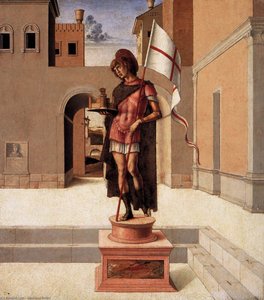
San Zaccaria Altarpiece (detail) (10)


 Leer más
Reproducción al óleo hecha a mano
Óleo sobre lienzo pintado a mano en el tamaño y marco de su elección, realizado por encargo por nuestros artistas. ( Cambiar a formato impreso Ver versión en imagen digital)




P118B $10

P118H $10

P118W $10

P438Z $10

P508JH $12

P508YH $12

P805H $10

P805Z $10

P919BZ $10

P919G $10

P919XJ $10

P959ZH $10

P968JZ $12

W106C $8

W218G $10

W218JH $8

W218Y $10

W307PJ $10

W316G $10

W316PJ $8

W316Y $10

W398PJ $8

W4111J $10

W500HY $15

W500JH $15

W692G $12

W849H $8

W940BG $15

W953PJ $8




Elija entre nuestros tamaños predefinidos que respetan las proporciones originales de la obra.

Puede ingresar sus propias dimensiones para adaptarse a un marco o espacio específico. Si el tamaño seleccionado no coincide con las proporciones de la imagen original, recortaremos la obra o extenderemos la pintura con elementos adicionales pintados a mano. Se le enviará una maqueta digital para su aprobación antes de comenzar la producción.
Tenga en cuenta que la vista previa en pantalla no refleja el recorte o la extensión reales. Solo la maqueta mostrará con precisión la composición final.
Si bien existen tamaños personalizados, recomendamos seleccionar una dimensión de la lista predefinida para preservar las proporciones originales.
Tras realizar el pedido, el equipo de AllPaintingsStore.com enviará un correo electrónico al cliente para solicitar instrucciones y proporcionarle una vista previa del boceto.
Envío a todo el mundo () en 3-4 semanas en lugar de las 5 semanas estándar. (21 septiembre). Sin comprometer la calidad.

Envío exprés gratuito a todo el mundo

Lienzo de lino de alta calidad

Seguro de envío completo

Garantía de reembolso de impuestos aduaneros

Garantía de fidelidad cromática exacta

Política de devolución de 100 días (solo por defectos)

Garantía de devolución del 100% del dinero

Oferta por volumen
 La opción de vidrio solo está disponible en tamaños inferiores a 110 cm.

San Zaccaria Altarpiece (detail) (10)
Técnica de reproducción
Tamaño de la reproducción
-


Precio total
$ 258
A Venetian Masterpiece: Unveiling Giovanni Bellini’s San Zaccaria Altarpiece
The Church of San Zaccaria in Venice holds within its walls not just centuries of history, but also one of the most profoundly moving and technically brilliant works of the Italian Renaissance: Giovanni Bellini's San Zaccaria Altarpiece (1505). More than a mere devotional painting, it’s a carefully constructed illusion, a testament to Bellini’s mastery of color, light, and spatial perspective—a world crafted with exquisite detail and imbued with an atmosphere of serene contemplation. This altarpiece represents a pivotal moment in Bellini's artistic evolution, marking his embrace of the techniques pioneered by Giorgione, and establishing him as a leading figure in Venetian painting.
At first glance, the scene presents a familiar tableau: the Virgin Mary seated on a majestic throne, cradling the Christ Child. However, Bellini elevates this traditional composition through an ingenious manipulation of space and light. The figures are not simply depicted; they’re enveloped within a richly textured architectural setting—a semi-circular apse that seems to extend seamlessly from the painted surface. This illusionistic architecture isn't merely decorative; it establishes a profound sense of depth, drawing the viewer into the heart of the scene and creating an intimate connection with the figures. The use of linear perspective, subtly guiding our eye towards the vanishing point near the Virgin’s feet, is remarkably sophisticated for its time, demonstrating Bellini’s deep understanding of Renaissance artistic principles.
A Symphony of Color and Symbolism
Bellini's palette is a revelation—a vibrant tapestry of hues that shimmer with an almost ethereal quality. He eschews the stark contrasts of earlier Renaissance painting in favor of soft, luminous tones, reminiscent of Giorgione’s atmospheric landscapes. The colors are not applied in broad strokes but meticulously layered to create subtle gradations and delicate transitions, lending a remarkable sense of realism to the figures and their surroundings. Notice, for example, the rich crimson robes of St. Peter, contrasted with the deep blues of his garments—a masterful demonstration of color harmony. Each figure is rendered with an intimate attention to detail, from the folds of their clothing to the delicate texture of their skin.
Beyond its technical brilliance, the altarpiece is rich in symbolic meaning. The selection of saints – St. Peter, St. Catherine, St. Lucy, and St. Jerome – represents a carefully considered theological program. Each saint embodies a specific virtue or aspect of Christian faith: St. Peter symbolizes the foundation of the Church, St. Catherine represents wisdom and piety, St. Lucy is associated with light and vision, and St. Jerome embodies scholarly pursuits and translation. The inclusion of an angel playing a violin at the base of the throne adds a touch of celestial music to the scene, further enhancing its spiritual atmosphere. The small cartellino (plaque) bearing Bellini’s signature – “IOANNES BELLIVUS / MCCCCCV” – is a subtle reminder of the artist's hand and his dedication to this monumental work.
A Historical Context: Innovation and Influence
Bellini’s San Zaccaria Altarpiece stands as a landmark achievement in Venetian painting, marking a shift towards a more atmospheric and emotionally resonant style. It represents a departure from the rigid formality of earlier Renaissance works and anticipates the innovations of artists like Giorgione and Titian. The altarpiece's innovative use of illusionistic space—creating an architectural setting that extends beyond the confines of the painted surface—was unprecedented at the time, influencing generations of Venetian painters to come.
The painting’s creation coincided with a period of significant social and political change in Venice. The city was experiencing a golden age of prosperity and artistic innovation, fueled by its thriving trade networks and its vibrant cultural scene. Bellini's work reflects this dynamism, capturing the spirit of the Renaissance while simultaneously exploring profound themes of faith, beauty, and human experience. Interestingly, the altarpiece’s history is intertwined with a dramatic episode in 1814 when it was stolen by Napoleon Bonaparte during his invasion of Venice—a testament to its enduring value and artistic significance.
A Legacy Enduring: Reproductions and Inspiration
Today, reproductions of Giovanni Bellini's San Zaccaria Altarpiece are available through reputable sources like AllPaintingsStore.com, offering art lovers the opportunity to own a piece of this extraordinary masterpiece. These meticulously crafted oil paintings capture the essence of Bellini’s original work, faithfully reproducing its vibrant colors, intricate details, and profound emotional impact. Whether displayed in a private residence or incorporated into a larger collection, a reproduction of the San Zaccaria Altarpiece serves as a constant reminder of the enduring power of Venetian art and the genius of Giovanni Bellini.
Obras relacionadas





Biografía del artista
Primeros años y carrera
Giovanni Bellini, un destacado pintor del Renacimiento veneciano, nació alrededor de 1433 en Venecia. Fue criado en el hogar de Jacopo Bellini, que antes se creía su padre, pero ahora se considera su hermano mayor. Las primeras obras de Giovanni se caracterizan por una profunda religiosidad y un sentimiento humano, como se ve en su pintura *San Jerónimo en el desierto* (ahora en la Galería Nacional, Londres).Ascenso a la prominencia
El estilo artístico de Giovanni evolucionó con el tiempo, y finalmente se hizo conocido por sus colores suntuosos y paisajes atmosféricos fluidos. Su obra tuvo un impacto significativo en la escuela veneciana de pintura, particularmente en sus alumnos Giorgione y Tiziano. Giovanni recibió su primer nombramiento para trabajar junto a su hermano Gentile Bellini y otros artistas en la Scuola di San Marco en 1470.Obras notables y legado
- *La Transfiguración* (ahora en el Museo de Capodimonte de Nápoles) muestra el estilo maduro de Giovanni, con un espíritu sereno y poderes maduros.
- *La Coronación de la Virgen* (en Pesaro) demuestra su esfuerzo temprano en una forma de arte previamente dominada por la escuela rival de los Vivarini.
- Las funciones de Giovanni como conservador de las pinturas en el gran salón del Palacio Ducal (1479-1480) consolidaron aún más su reputación como maestro pintor.
Estilo artístico e influencia
El uso de Giovanni de pinturas al óleo claras y de secado lento creó tonos profundos y ricos y sombreados detallados, revolucionando la pintura veneciana. Su obra puede caracterizarse por:-
Estilo sensorial y colorista
- Colores suntuosos y paisajes atmosféricos fluidos
- Influencia en la escuela de pintura veneciana y sus alumnos Giorgione y Tiziano
Referencias

Giovanni Bellini
1433 - 1516 , Italia
Datos clave
- Artistas Influenciados:
- Giorgione
- Tiziano
- Artistas Que Influyeron:
- Jacopo Bellini
- Gentile Bellini
- Fecha De Nacimiento: c. 1433
- Lugar De Nacimiento: Venecia, Italia
- Movimiento Artístico: Renacimiento veneciano
- Nacionalidad: Italiana
- Nombre Completo: Giovanni Bellini
- Obras Notables:
- Transfiguración
- Coronación de la Virgen
- San Sebastián
- Madonna degli Alberetti
- Cristo Muerto Apoyado por Ángeles
Artículos relacionados

The Venetian Renaissance: A Masterclass in Colorito, Light, and the Birth of Atmospheric Brilliance
Explore the breathtaking mastery of the Venetian Renaissance. Discover how legends like Titian revolutionized art through Colorito, capturing the luminous light and vibrant pigments of the Venetian lagoon in a visual journey of unparalleled color and texture.

Giorgione: Enigma and Innovation in Early Venetian Renaissance Painting
Explore the enigmatic world of Giorgione, a pivotal figure in the Venetian Renaissance. Discover his innovative techniques, iconic paintings like 'The Tempest', and lasting influence on art history. Learn more at AllPaintingsStore.

Jacopo Tintoretto: Las 25 Obras Maestras del Genio Veneciano | Arte y Decoración en AllPaintingsStore
Descubre las 25 obras maestras de Jacopo Tintoretto, el genio veneciano del Renacimiento. Explora su arte dramático, composiciones innovadoras y paleta vibrante. Reproducciones de alta calidad en AllPaintingsStore.com para transformar tu hogar.

Venetian Renaissance: The Mastery of Color, Light, and the Art of Colorito
Explore the luminous mastery of the Venetian Renaissance. Discover how masters like Titian and Giorgione revolutionized art through colorito, light, and atmosphere. An expert guide to the golden age of Italian painting for collectors and enthusiasts.

Golden Light & Rich Color: The Timeless Magic of Venetian Renaissance Art
Explore the luminous beauty of Venetian Renaissance art. Discover how masters like Titian used colorito and golden light to redefine painting through texture, emotion, and atmospheric brilliance in a masterclass of historical artistry.


