


 Vista previa
 Compartir
 Compartir
 Ver detalles
 Guía
Guía

 Descargar
 Ver artículos similares
 Radiografía
 Presentación de diapositivas
 Estadísticas
Verano


 Leer más
Giclée / Impresión de arte
Impresiones giclée o en lienzo de calidad de museo con producción rápida y opciones de acabado flexibles. ( Encargar reproducción pintada a mano Ver versión en imagen digital)




P118B €10

P118H €10

P118W €10

P438Z €10

P508JH €12

P508YH €12

P805H €10

P805Z €10

P919BZ €10

P919G €10

P919XJ €10

P959ZH €10

P968JZ €12

W106C €8

W218G €10

W218JH €8

W218Y €10

W307PJ €10

W316G €10

W316PJ €8

W316Y €10

W398PJ €8

W4111J €10

W500HY €15

W500JH €15

W692G €12

W849H €8

W940BG €15

W953PJ €8




Elija entre nuestros tamaños predefinidos que respetan las proporciones originales de la obra.

Introduzca el ancho y el alto que necesite para adaptarse a su marco o pared. Una impresión solo puede recortarse, nunca hacerse más grande que la imagen original, por lo que un tamaño con una forma distinta perderá parte de la obra. Le enviaremos una maqueta digital para su aprobación antes de realizar cualquier impresión. La imagen que se muestra en esta página no refleja el recorte real; solo la maqueta lo hace.
Envío a todo el mundo () en 2 semanas en lugar de las 4/5 semanas estándar. (23 octubre)

Envío exprés gratuito a todo el mundo

Lienzo de lino de alta calidad

Seguro de envío completo

Garantía de reembolso de impuestos aduaneros

Garantía de fidelidad cromática exacta

Política de devolución de 100 días (solo por defectos)

Garantía de devolución del 100% del dinero

Oferta por volumen
 La opción de vidrio solo está disponible en tamaños inferiores a 110 cm.

Verano
Giclée / Impresión de arte
Tamaño de la reproducción
-


Precio total
€ 56
Giuseppe Arcimboldo: A Renaissance Visionary Reimagined
Giuseppe Arcimboldo (1527-1593), born in Milan during the tumultuous period of the Italian Renaissance, stands apart from his contemporaries not merely as a painter but as an innovator—a true visionary who dared to challenge artistic conventions and explore the boundaries between portraiture and still life. Initially recognized for traditional frescoes adorning churches and portraits upholding established courtly standards, Arcimboldo’s enduring fame rests upon a singular genre: composite heads constructed entirely from meticulously arranged objects – fruits, vegetables, flowers, books, even musical instruments.
- A Departure From Tradition: Unlike many artists of his time who adhered to strict realism and idealized depictions, Arcimboldo embraced the grotesque—a stylistic choice that reflected a broader Renaissance fascination with paradoxes and unsettling juxtapositions.
- Symbolism Rooted in Cosmology: Arcimboldo’s works weren't simply decorative; they were complex allegories imbued with profound symbolism drawn from classical mythology and humanist philosophy. Each element within the head—the apples representing knowledge, the oranges symbolizing warmth and vitality—carried specific connotations reflecting Rudolf II’s ambition to embody the virtues of his reign.
- Technique: Arcimboldo's mastery lay in his painstaking technique – a meticulous layering of textures and colors achieved through oil paint on canvas. He employed glazing techniques to create luminous surfaces that captured the subtle nuances of light and shadow, enhancing the illusionistic depth of his compositions.
Vertumnus: The Embodiment of Seasonal Harmony
Perhaps Arcimboldo’s most celebrated masterpiece, Vertumnus (1590), exemplifies this distinctive approach to portraiture. Commissioned by Holy Roman Emperor Rudolf II—a ruler known for his patronage of the arts and his embrace of unconventional ideas—the painting depicts Rudolf II as a head composed entirely of fruits, vegetables, flowers, and foliage. This deliberate choice wasn’t merely whimsical; it served as an elaborate visual metaphor reflecting Rudolf II's desire to represent the totality of human experience – intellect, emotion, and physicality – within a single image.
The artwork’s symbolism speaks volumes about Renaissance worldview: The careful arrangement of seasonal produce underscored Rudolf II’s ambition to embody the virtues of his reign—wisdom, fertility, and abundance. Arcimboldo's decision to incorporate these items was also an intentional reference to Vertumnus, the Roman god of vegetation – a deity associated with renewal and transformation.
The Influence of Mannerism
Arcimboldo’s style aligns perfectly with Mannerism—a movement that flourished in Italy during the mid-16th century. Mannerist artists rejected the serene idealism of High Renaissance art, favoring exaggerated forms, distorted perspectives, and dramatic lighting to convey emotion and psychological complexity. Arcimboldo's approach mirrored this stylistic ethos, prioritizing visual impact over strict anatomical accuracy.
Contemporary art historians recognized Arcimboldo’s genius—he was considered one of the first pioneers of Mannerism due to his innovative use of still life images. His work stands apart from other portraits of his time because it challenged conventional artistic norms and embraced a playful, subversive aesthetic. Like Pieter Bruegel the Elder's “The Bee-Keepers,” Arcimboldo’s composite heads captivated audiences with their unsettling beauty—a testament to his ability to transform familiar subjects into unforgettable visual experiences.
A Legacy of Imagination
Giuseppe Arcimboldo’s legacy extends far beyond his artistic achievements. He embodies the Renaissance spirit of intellectual curiosity and imaginative experimentation – a refusal to accept limitations and a willingness to explore uncharted territories of artistic expression. His influence can be seen in subsequent artists who sought to push boundaries and challenge expectations, cementing his place as one of the most singular figures in Renaissance art.
Preguntas y respuestas
¿Dónde y para qué uso se recomienda "Verano"?
El uso de (Pieza central) y el espacio (Salón principal) son las dos recomendaciones registradas para "Verano" de Giuseppe Arcimboldo.
¿Dónde se recomienda exhibir el formato Retrato de "Verano"?
Con su formato Retrato, se sugiere una reproducción de "Verano" para un Salón principal.
¿Qué alias o nombres alternativos tiene Giuseppe Arcimboldo?
Giuseppe Arcimboldo también es conocido como Arcimboldi.
Obras relacionadas


Biografía del artista
Primeros años y carrera
Giuseppe Arcimboldo, un renombrado pintor italiano, nació en 1527 en Milán, Italia. Su padre, Biagio Arcimboldo, también era artista, lo que probablemente influyó en el temprano interés de Giuseppe por el arte. A la edad de 21 años, Arcimboldo comenzó su carrera como diseñador para vidrieras y frescos en catedrales locales.Pintor de la corte para los Habsburgo
En 1562, Arcimboldo se convirtió en retratista de la corte de Fernando I en la corte habsburga de Viena, Austria. Posteriormente sirvió como pintor de Maximiliano II y su hijo Rodolfo II en la corte de Praga. Este período de su vida está marcado por su trabajo como decorador de la corte y diseñador de vestuario.La obra maestra manierista: retratos de objetos
El trabajo convencional de Arcimboldo sobre temas religiosos tradicionales ha sido en gran medida olvidado, pero sus retratos hechos con objetos como frutas, verduras, flores, criaturas marinas y raíces de árboles continúan fascinando a los entusiastas del arte. Estas obras, caracterizadas por su uso de objetos cotidianos para crear formas anatómicas humanas, no eran meramente decorativas sino que también transmitían un significado más profundo.- "El Bibliotecario", un retrato hecho con objetos que significan la cultura del libro de la época, no era solo una creación caprichosa, sino también una crítica a los individuos ricos que coleccionaban libros sin leerlos.
- Estas obras no eran aleatorias; cada objeto se elegía cuidadosamente para relacionarse con la caracterización del sujeto.
Estilo artístico y legado
El estilo artístico de Arcimboldo, aunque a menudo debatido como caprichoso o producto de una mente perturbada, es visto en gran medida por los académicos como un catering al gusto renacentista por acertijos, rompecabezas y lo bizarro. Su uso de objetos para crear formas humanas era un aspecto único de su trabajo, que lo diferenciaba de otros artistas manieristas. Obras notables:- "Bodegón floral" (1590), una pintura que encarna el movimiento artístico del manierismo italiano, es un ejemplo icónico del estilo único de Arcimboldo.
- "Los cuatro estaciones", un retrato compuesto de Rodolfo II, muestra la maestría de Arcimboldo en el arte manierista.
Museos y colecciones
Las obras de Arcimboldo se pueden encontrar en varios museos, incluido el Kunsthistorisches Museum en Viena y el Schloss Ambras Habsburgo en Innsbruck.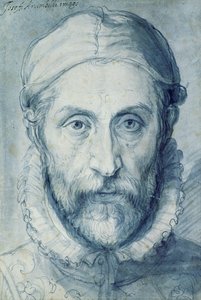
Giuseppe Arcimboldo
1527 - 1593 , Italia
Datos clave
- Estilo Artístico: Manierismo
- Fecha De Nacimiento: 1527
- Lugar De Nacimiento: Milán, Italia
- Nacionalidad: Italiana
- Nombre Completo: Giuseppe Arcimboldo
- Obras Notables:
- El Bibliotecario
- El Fuego
- Vertumnus (Vertumno)
- Primavera
- Vida Floral Silvestre
- Otoño
- Aire
Artículos relacionados

The Enduring Form: Exploring Themes & Techniques in Sculpture Across Historical Periods
Explore the rich history of sculpture from ancient masterpieces to contemporary innovations. Discover key techniques, influential artists & investment potential for discerning art collectors.

The Enduring Form: Sculpture Across History, Technique & Emotional Resonance
Explore the rich history of sculpture with AllPaintingsStore. Discover key techniques, influential artists & investment potential for discerning collectors. Expert insights into valuing and collecting timeless masterpieces.

Esculturas de Bronce Legendarias: 10 Obras Maestras que Transformaron el Arte | AllPaintingsStore
Descubre las 10 esculturas de bronce más legendarias que revolucionaron el arte. Explora la historia de Rodin, Degas y otros maestros del bronce. Encuentra reproducciones de alta calidad e inspiración para tu hogar en AllPaintingsStore.com.

Las 10 Obras Maestras de Bronce que Revolucionaron la Historia del Arte | AllPaintingsStore
Descubre las 10 esculturas de bronce más influyentes de la historia del arte. Explora obras maestras de Rodin, Degas y otros genios. Encuentra reproducciones de arte de calidad museo en AllPaintingsStore.com.

El Legado Duradero de la Escultura en Bronce: Historia, Técnicas e Interpretaciones Contemporáneas
Descubra la historia, las técnicas y el valor de la escultura en bronce. Guía experta para coleccionistas e inversores. Explore obras maestras y aprenda sobre fundición a la cera perdida.


